PepsiCo warns of nationwide Sting stockout as court keeps ‘energy drink’ ban on new production
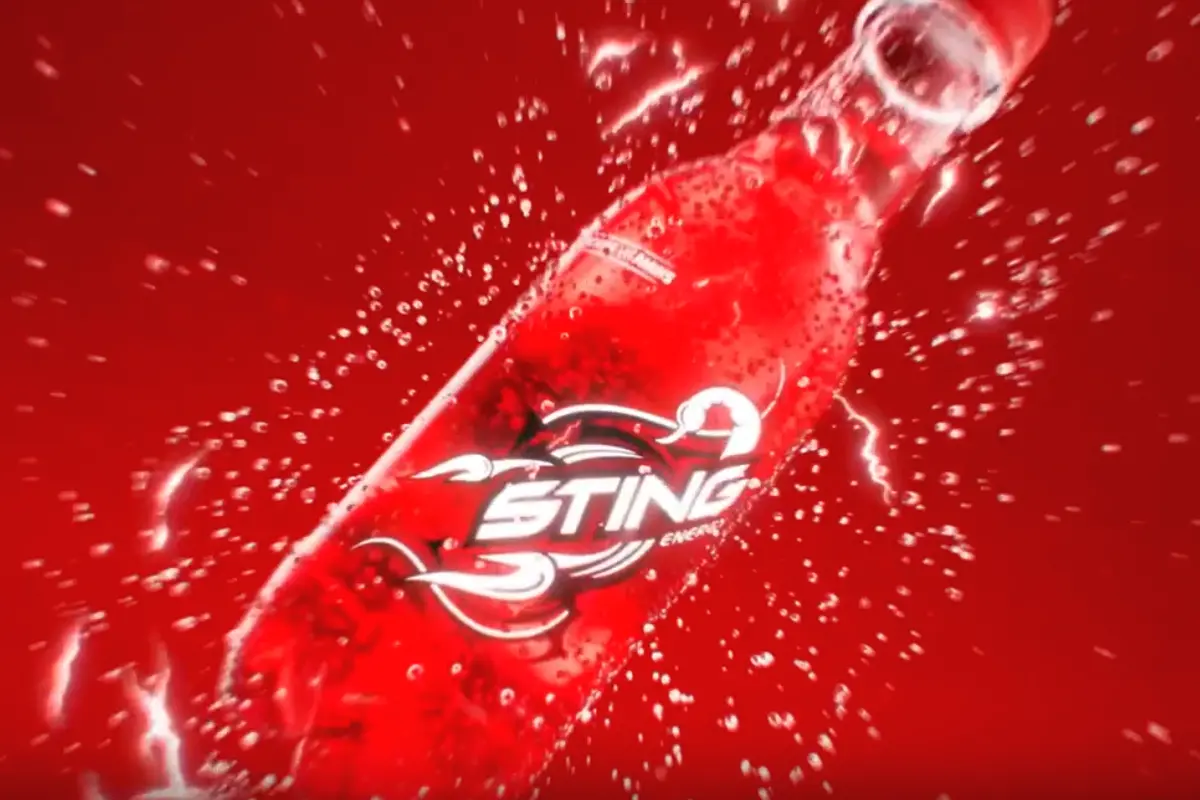
PepsiCo has warned the Delhi High Court that a continued bar on using the words “energy drink” on new batches of Sting and Adrenaline Rush could leave its top-selling beverages out of stock across India within two months -- even as rival Red Bull remains free to sell products carrying the contested label.
Senior advocate Sandeep Sethi, appearing for PepsiCo, told the court that restarting production without the label would be a “long, cumbersome process” because cans had already been purchased and printed. “There will be no goods in the market after a couple of months,” he said, adding that the restriction would “play havoc” with the company’s distribution system.
The Delhi High Court again declined to grant PepsiCo immediate permission to resume manufacturing beverages bearing the “energy drink” description. It can continue selling existing stock carrying the label, but products manufactured after October 6 cannot use it.
Uneven relief for rivals
The dispute has produced an unusual regulatory and legal split. Red Bull won a reprieve on September 29, when the Delhi High Court set aside the Food Safety and Standards Authority of India’s (FSSAI) order against it, holding that the regulator had not issued a show-cause notice or given the company an opportunity to be heard.
On October 6, the court granted interim protection to PepsiCo, Monster Beverage and Reliance Consumer Products as well. But unlike Red Bull, they were allowed only to clear inventory manufactured up to that date; their bottlers and contractors cannot produce further stock with the “energy drink” description.
PepsiCo argues that this creates unequal treatment: Red Bull can sell products with the label, while PepsiCo cannot manufacture new inventory under the same descriptor. The company has sought modification of the October 6 order, citing the relief granted to Red Bull.
A division bench of Acting Chief Justice Nitin Wasudeo Sambre and Justice Sanjay Sharma earlier observed that the single judge had not recorded specific reasons for denying PepsiCo manufacturing relief when similar permission had been allowed in the Red Bull case. The court directed the single judge to record reasons, but did not grant immediate relief.
FSSAI’s June directive
The dispute began on June 30, when FSSAI directed makers of high-caffeine beverages marketed as “energy drinks” to stop using the description. The regulator said there was no notified standard for “energy drinks” under India’s food safety regulations and objected to claims that such products “vitalise body and mind,” enhance focus or help combat general weakness.
FSSAI classified the products as caffeinated beverages, with caffeine content between 145 mg and 300 mg per litre. Such products must carry warnings that they are not recommended for children, pregnant or lactating women and people sensitive to caffeine, and must state that consumption should not exceed 500 ml per day.
The regulator also directed labels, marketing material and advertisements using the term “energy” to be withdrawn within 90 days, and asked state food safety commissioners to enforce the direction.
Companies say process was flawed
PepsiCo, Monster and Reliance Consumer told the court that the orders were passed without show-cause notices or hearings. They argued that FSSAI’s own March 2024 advisory had permitted the descriptor “energy drink” for products licensed under specified Food Category System codes, including carbonated and non-carbonated water-based flavoured drinks.
PepsiCo said its Sting Energy and Adrenaline Rush products fall within those categories. It told the court that it had 492 million bottles and 26 million cans carrying the label in circulation as of July 31.
Reliance Consumer, which sells Campa Energy Drink -- Gold Boost, said the regulator’s action had caused substantial disruption to operations and damaged its market presence and commercial goodwill. It said it had 168 million cans and 120 million bottles of finished inventory carrying the label, plus pre-printed packaging for another 400 million cans and 360 million bottles.
FSSAI responded that PepsiCo, Monster and other similarly placed manufacturers attended a July 20 meeting and agreed to discontinue the term in future production. The companies contest this, saying they accepted the direction only under protest.
A fast-growing market at stake
The case has become a test of the regulator’s power over product naming in one of India’s fastest-growing beverage segments. Energy-drink retail sales are growing 12.6% annually, faster than in the United States and China, according to Euromonitor data cited by Reuters; the market is projected to reach $1.6 billion by 2028.
PepsiCo’s Sting, launched in India in 2017, helped drive that growth. Its ₹20 plastic bottles became particularly popular among consumers aged 15 to 19 and in rural areas, according to Euromonitor.
The category is estimated at about ₹9,500 crore, with Red Bull, Sting, Monster, Campa and Hell together spending more than ₹2,000 crore annually on marketing. Reliance’s entry through Campa has intensified competition, using its retail network and low pricing to challenge established beverage companies.
Health concerns behind the crackdown
FSSAI’s action forms part of a wider food-safety enforcement drive, amid growing concern over high-caffeine and high-sugar beverages, particularly among adolescents.
Energy drinks typically combine caffeine with sugar and ingredients such as taurine, guarana and B vitamins. The immediate “lift” largely comes from caffeine, which blocks adenosine receptors in the brain and temporarily reduces feelings of tiredness; it does not replace sleep or provide sustained energy.
Health experts cited by Hindustan Times said children, teenagers and pregnant women should avoid energy drinks, while people with heart-rhythm disorders, uncontrolled blood pressure, anxiety or sleep problems should be cautious.
Globally, regulators are tightening scrutiny: England is set to prohibit sales of high-caffeine energy drinks to children under 16 from April 2027, while Norway already bans sales to under-16s and several other countries restrict sales to under-18s.
What happens next
The Delhi High Court has not ruled on the legality of FSSAI’s broader position that “energy drink” is not a permissible descriptor. The next hearing in PepsiCo’s plea is scheduled for October 30, while related matters are listed for November 5.
Until then, PepsiCo can sell existing Sting and Adrenaline Rush stock, but cannot manufacture new products with the “energy drink” label. The company says that window is shrinking fast; the regulator maintains that the term is misleading and that enforcement must continue.
The outcome will determine not only whether millions of bottles and cans can continue to carry one of the beverage industry’s most valuable marketing terms, but also how far FSSAI can go in policing health claims and product labels across India’s packaged-food market.