New PAN rules aim to simplify banking and real estate compliance — Are you affected?
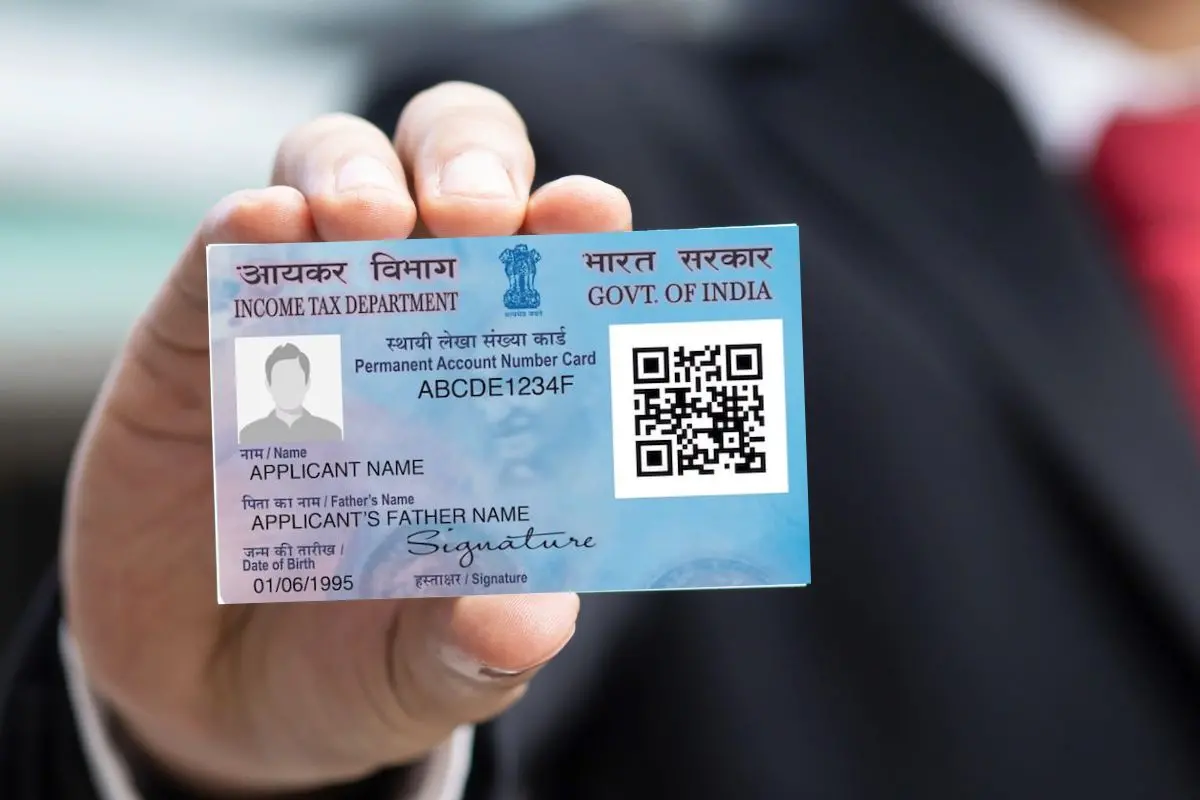
New Delhi: The government has proposed major changes to the rules governing when a Permanent Account Number (PAN) must be quoted for routine financial transactions, under the Draft Income Tax Rules, 2026. The revised thresholds aim to ease compliance for smaller transactions while strengthening oversight of high-value dealings.
The draft rules, released for public consultation, align with the forthcoming Income Tax Act, 2025, scheduled to take effect from April 1, 2026.
Higher PAN limits for cash transactions
Under the proposal, PAN will be required only if a person deposits or withdraws ₹10 lakh or more in cash during a financial year, across one or multiple bank accounts.
This marks a sharp increase from the current requirement of quoting PAN for cash deposits exceeding ₹50,000 in a single day. The shift to an annual aggregate threshold is expected to reduce paperwork for routine banking activity.
PAN rules updated for vehicle purchases
The draft rules also revise PAN requirements for buying vehicles. Buyers will need to quote PAN only if the value of a motor vehicle, including two-wheelers, exceeds ₹5 lakh.
Currently, PAN is mandatory for all vehicle purchases, regardless of price. The new threshold is intended to rationalise compliance and ease transactions for lower-value vehicle buyers.
Relief for hotel and event payments
PAN will be mandatory for payments to hotels, restaurants, banquet halls, convention centres or event managers only if the amount exceeds ₹1 lakh.
At present, PAN is required for bills above ₹50,000. Doubling the limit is expected to simplify moderate hospitality and event spending.
Higher PAN threshold for property deals
For real estate transactions, the draft rules propose raising the PAN requirement threshold from ₹10 lakh to ₹20 lakh for the purchase, sale, gift or joint development of immovable property. The revision reflects rising property values and aims to modernise outdated limits.
Insurance accounts that require PAN
The draft introduces a new requirement for the insurance sector. PAN will become mandatory for initiating an account-based relationship with an insurer.
Currently, PAN is required only when annual life insurance premiums exceed ₹50,000. The proposed change expands compliance to the account-opening stage.
Other key proposals
Beyond PAN-related changes, the draft rules include:
- Higher value limits for employer-provided perquisites
- Mandatory reporting of crypto transactions by exchanges to the Income Tax Department
- Formal recognition of Central Bank Digital Currency (CBDC) as a valid electronic payment method
The Central Board of Direct Taxes (CBDT) released the draft rules following the Budget 2026 announcement by Finance Minister Nirmala Sitharaman. Final rules are expected to be notified by early March after stakeholder consultations.
When will the new rules apply?
The new Income Tax Act, 2025, along with the updated rules, is set to come into force from April 1, 2026. Until then, taxpayers and businesses can review the draft framework and submit feedback.
If implemented as proposed, the revised PAN thresholds are expected to simplify compliance for everyday financial transactions while ensuring continued scrutiny of high-value financial activity.