No relaxation in NAFED conditions, copra storage groups struggle in Kerala
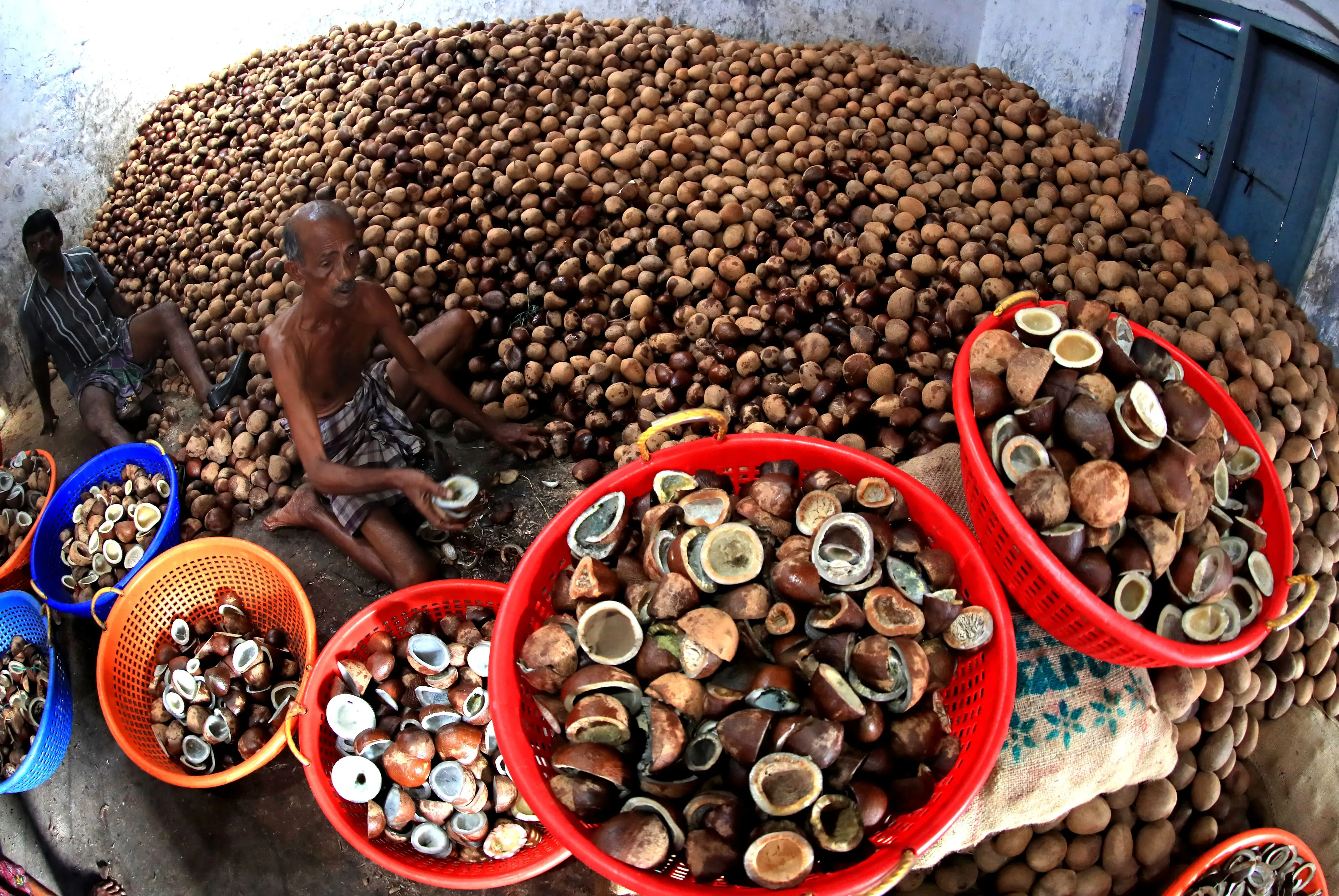
Vadakara: The collection of copra in Kerala continues to be hampered for the second consecutive year due to the non-relaxation of conditions imposed by the National Agricultural Cooperative Marketing Federation of India (NAFED). Several groups interested in stocking copra are facing difficulties as NAFED has reinforced its directive, preventing them from procuring copra at subsidised prices from the public market. This decision, which was initially proposed some time ago, was strengthened in 2022, leading to numerous groups with drying facilities for converting green coconuts into copra being unable to procure and store the commodity.
One such entity affected by this condition is Kerafed, which was forced to withdraw from copra procurement in 2022. Though Marketfed remained, the primary groups responsible for coconut oil production were excluded. The situation remains unchanged this year, with only four out of the 93 primary societies under Marketfed showing readiness for procurement. The affected groups require drying facilities to comply with the Agriculture Department's mandate of purchasing green coconuts from farmers and storing them as copra. Unfortunately, most of the groups equipped with such facilities are engaged in coconut oil production and are consequently excluded. The remaining groups are compelled to rent drying facilities for storage, but practical challenges and other factors are hindering their progress.
To rent a dryer, the groups must obtain permission from the Cooperation Department, which has led to allegations of insufficient interest and support from both the Department of Agriculture and the Cooperation Department in facilitating the groups' access to dryers.
Another procurement agency, the Vegetable and Fruit Promotion Council Keralam (VFPCK), has refrained from involvement due to a lack of infrastructure, including drying facilities. VFPCK currently operates 292 self-supporting agricultural markets in the state. If copra storage with drying facilities were initiated in all districts and at least two or three markets, it could spark a significant movement. However, VFPCK has decided to directly procure copra from the necessary locations instead.
Government Intervention Needed
With only six months remaining, a maximum of 50,000 tonnes of copra can be stored, potentially providing farmers with assistance worth Rs 150 crore at current prices. To achieve this, the Department of Agriculture and the Cooperation Department must intervene to encourage more groups to participate in copra storage. Procedures for renting dryers should be streamlined, and VFPCK should receive assistance in this regard.
Last year, the state government sought relaxation in NAFED's controversial condition by approaching the Central government. The state government and Members of Parliament must intervene to convince NAFED of the unique situation prevailing in Kerala.