New LPG connection comes with higher costs, 10-kg cylinders replace 14.2-kg ones
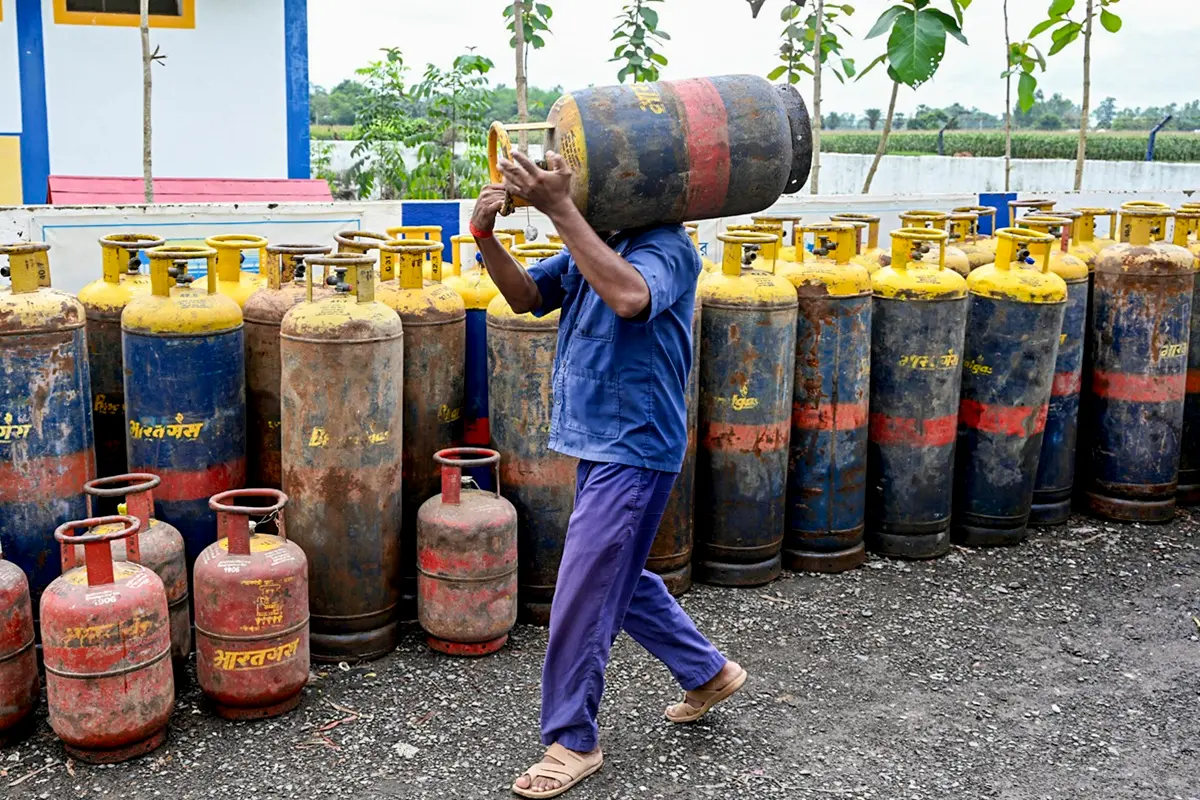
Kasaragod: LPG companies have changed the process for issuing new cooking gas connections, replacing the traditional 14.2-kg domestic cylinder for new customers with a 10-kg composite cylinder.
The new system has been in place for the past six months. While existing domestic LPG customers can continue to receive refills under their earlier conditions, consumers opting for the new connection will face higher connection and refill costs, with existing subsidies not applicable.
The change is based on the concept of an individual LPG cylinder rather than the conventional domestic cylinder.
What is the new LPG connection system?
Under Hindustan Petroleum Corporation Limited's HP Navya scheme, customers can obtain or transfer a new connection without a waiting period. A government-approved ID and a photograph are sufficient to complete the process.
The earlier restriction limiting customers to two cylinders at a single address has also been removed. There is no mandatory waiting period between taking the connection and getting a refill either.
However, the convenience comes with higher costs.
A 10-kg cylinder connection costs Rs 4,840, while each refill costs Rs 1,650. In comparison, a conventional domestic LPG connection earlier cost less than Rs 4,000, while a refill currently costs around Rs 930.
For a double-cylinder domestic connection, the earlier cost was below Rs 8,000. The new system does not offer similar concessions.
Existing LPG subsidies may be lost after switching
Consumers who were already receiving subsidies before the new system was introduced can continue to avail themselves of those benefits as long as they retain their existing connection.
However, switching to the new connection means losing those subsidies. The new connections are not covered by the existing subsidy benefits.
Smaller cylinders could mean more refills
The reduction in cylinder capacity could also increase the number of refills required by households.
A family that previously used one cylinder for around 25 days could require up to 13 cylinders in a year. With the cylinder capacity reduced to 10 kg, households may need to purchase refills more frequently.
This means that the lower cylinder size does not necessarily translate into lower annual LPG spending, particularly given the higher refill price under the new connection system.
Ujjwala benefits also not available after the switch
The change also affects benefits associated with the Pradhan Mantri Ujjwala Yojana.
Under the scheme, women from economically weaker families were provided LPG connections with the security deposit and regulator charges waived, along with financial assistance of Rs 1,600.
For beneficiaries who found it difficult to pay for a gas stove and the first refill together, oil companies had also offered interest-free loans. A special subsidy was also announced for eligible consumers, with the benefit credited directly to their bank accounts when they refilled their cylinders.
These benefits will no longer apply once a consumer shifts to the new connection.
No home delivery for the new cylinders
Another major change is the way the new cylinders are refilled.
The 10-kg cylinders issued under the new connection will not be delivered to customers' homes. Consumers will have to take the cylinder to a company outlet or petrol pump for refilling.
The refill can be obtained from any such outlet across the country, rather than being restricted to a particular location.
For existing domestic LPG consumers, however, the earlier system of cylinder refills continues to remain in place.