Stock market outlook in India: Will RBI policy and oil spikes trigger volatility?
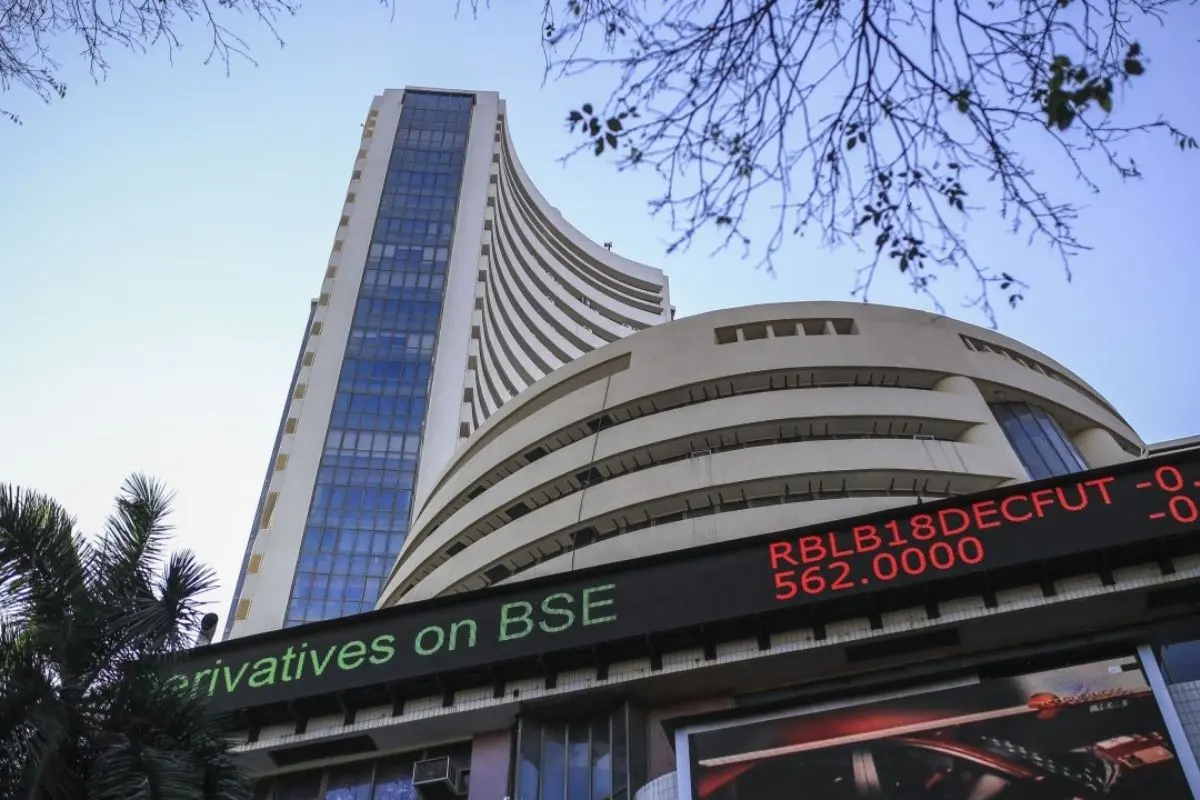
Mumbai: Indian stock markets ended their sixth straight week in the red, with benchmark indices slipping nearly 0.5%, as global uncertainties and domestic concerns triggered heightened volatility.
The Nifty 50 closed at 22,713.10, while the BSE Sensex settled at 73,319.55, reflecting cautious investor sentiment.
Market participants are now gearing up for a crucial week ahead, with the Reserve Bank of India (RBI) monetary policy decision, escalating US-Iran geopolitical tensions, and a sharp rise in crude oil prices expected to dictate market direction.
The holiday-shortened week began on a weak note, as tensions between the United States and Iran intensified, triggering a spike in global oil prices and dampening investor sentiment. The uncertainty led to broad-based selling across sectors.
Also Read| 'End of Service': Samsung Messages to shut down in July 2026
However, markets witnessed a midweek recovery as fears of an immediate escalation eased and crude oil prices showed signs of stabilising. Despite the rebound, volatility remained elevated amid mixed global cues, continued foreign institutional investor (FII) outflows, inflation concerns, and a weakening rupee.
From a technical perspective, analysts said the 22,150–21,900 zone is likely to act as a strong support level for the Nifty. On the upside, resistance is seen in the 23,000–23,500 range. The Relative Strength Index (RSI) on the weekly chart stands at 27.88, indicating oversold conditions.
Looking ahead, all eyes will be on the RBI’s Monetary Policy Committee (MPC), which is scheduled to meet from April 6 to April 8 for its first policy review of FY27. The outcome is expected to provide cues on interest rates, inflation outlook, and liquidity conditions.
Geopolitical developments will also remain a key overhang. The ongoing tensions between the US and Iran appear to be escalating, with strong warnings issued by Donald Trump and reports of possible military action. Any further deterioration could significantly impact global risk appetite and trigger fresh volatility in equity markets.
Also Read| Form 15H replaced by Form 121: What changes for senior citizens in TDS exemption rules?
Crude oil prices are another major concern. Brent crude has surged to around $109 per barrel following disruptions in the Strait of Hormuz, a critical route for global energy supplies. The sharp rise — over 50% since late February — has raised fears of inflationary pressures and higher input costs for Indian companies.
With multiple macroeconomic and geopolitical triggers in play, analysts expect the Indian stock market to remain volatile, with investors closely tracking RBI policy signals, oil price trends and global risk developments.
IANS