Indian ships under fire in Hormuz; New Delhi summons Iranian envoy, lodges protest
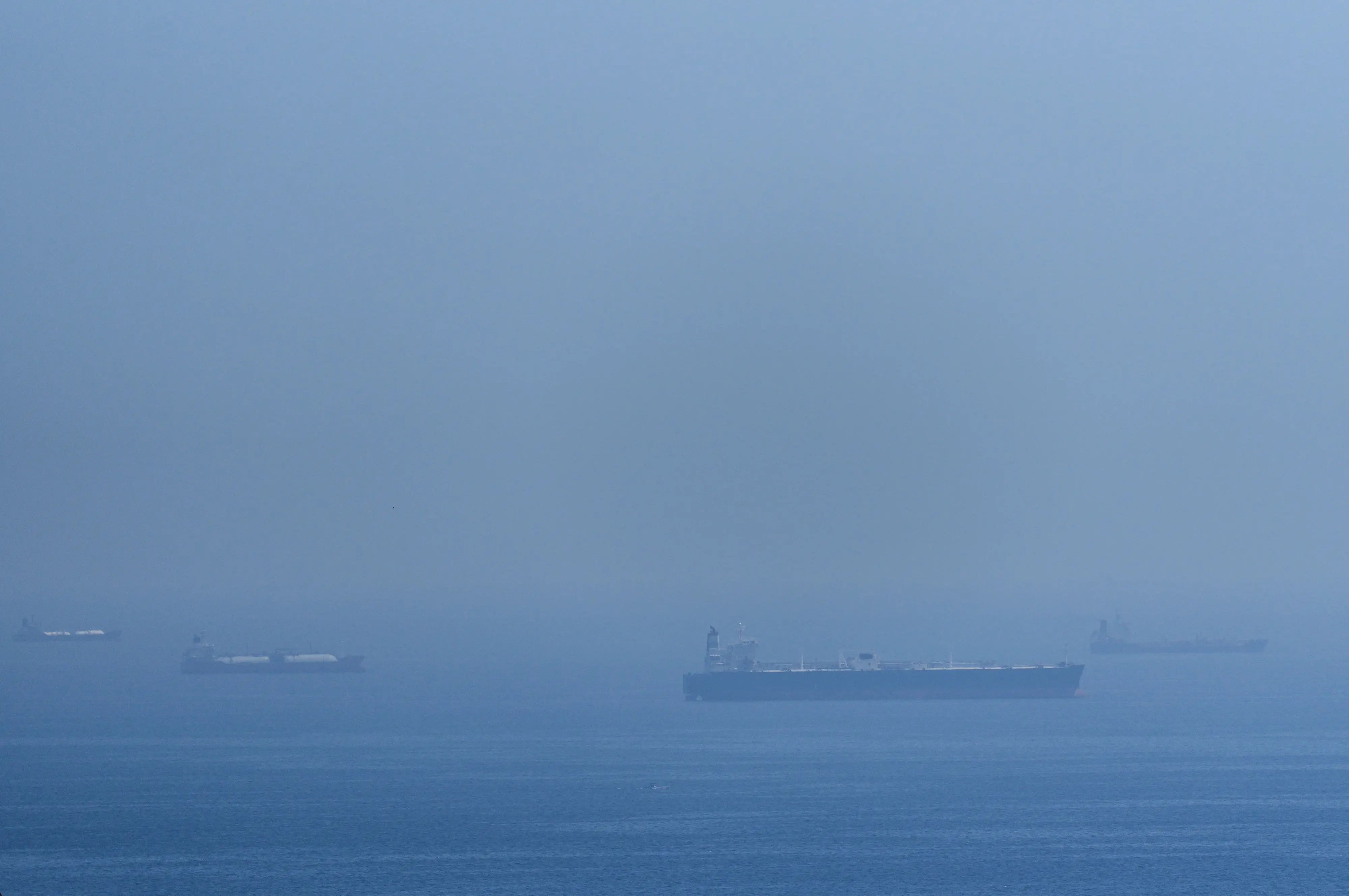
New Delhi: Two Indian vessels were forced to reverse course in the Strait of Hormuz after coming under fire from Iran’s Revolutionary Guards, prompting India to summon Iranian envoy Mohammad Fathali and lodge a strong protest over the incident, authoritative sources told PTI on Saturday.
According to sources, India raised the matter firmly with the envoy following the incident, which occurred amid heightened tensions in the strategically crucial waterway.
A strong protest was lodged with the ambassador over the incident, they said.
There is no official word yet on summoning Fathali to the External Affairs Ministry. The development came as several commercial vessels attempted to cross the Strait of Hormuz after Iran on Friday announced it had reopened the route for maritime traffic.
Also read | Iran's ‘nuclear dust’: What it really means and how it can be moved
However, Tehran reversed its position on Saturday, stating that it had again closed the strait, alleging that the United States had violated certain understandings reached between the two sides.
Maritime tracking data showed that at least eight oil and gas tankers crossed the Strait of Hormuz on Saturday following Iran’s brief reopening of the passage during a ceasefire phase in the ongoing Middle East conflict.
Data from tracking firm Kpler indicated that one crude oil tanker, four liquefied petroleum gas carriers, two oil and chemical tankers, and one vessel classified as an “oil products” carrier passed through the strait early Saturday after the Iranian announcement.
Also read | First since war: Malta-flagged vessel becomes first passenger ship to transit Strait of Hormuz
The Strait of Hormuz, through which nearly a fifth of the world’s oil and liquefied natural gas flows during peacetime, has witnessed a sharp disruption in traffic since the conflict escalated on February 28 following US and Israeli strikes on Iran.
According to MarineTraffic data, several other crude oil tankers approached the strait but turned back near Iran’s Larak Island, a key checkpoint for vessels attempting to exit the Gulf under Iranian forces’ blockade.
Iran’s central military command later signalled a return to tighter control, stating it would resume "strict management" of the strait in protest against a US naval counter-blockade.
The closure has left hundreds of ships stranded in the Gulf, pushing up global oil prices and shipping costs, while vessel operators remain wary of potential attacks or sea mines in the region.