Middle East crisis: What strategies could investors consider during market turbulence?
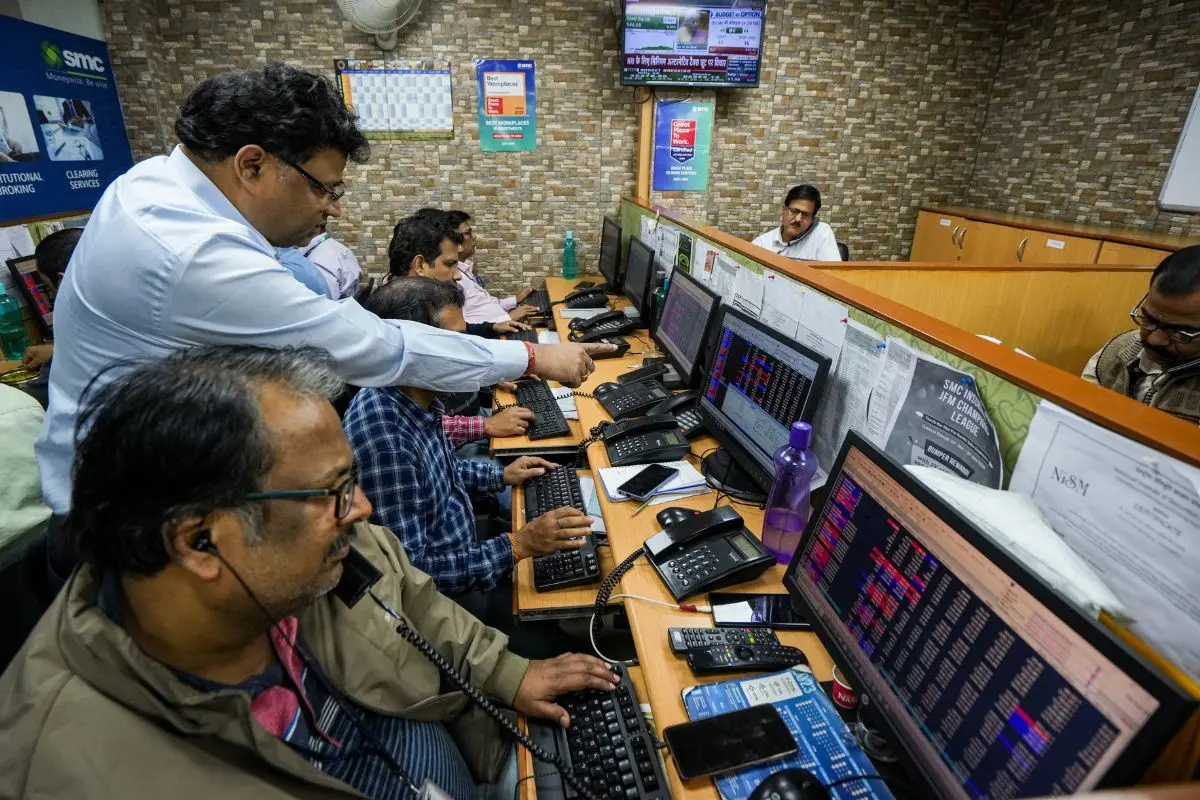
Indian equity markets are experiencing heightened volatility, reflecting growing unease over geopolitical tensions in West Asia and surging crude oil prices. Benchmark indices Sensex and Nifty have repeatedly swung in early trading sessions, while the rupee edged lower amid global uncertainty. Investors are closely monitoring energy markets and defence stocks, weighing risk against potential opportunities.
Markets respond to crude spike and geopolitical conflict
Brent crude futures jumped sharply, trading around $77–$78 a barrel, after reports that Iran closed the Strait of Hormuz, a crucial channel for nearly 20% of global oil supply. This closure followed attacks by the United States and Israel in Tehran, heightening fears of prolonged disruption. Gold prices have also climbed, crossing $5,300 an ounce, as investors seek safe havens.
In early trading, Sensex fell by more than 2,700 points, while Nifty dipped over 500 points. Both indices rebounded partially but remain below previous closing levels. Analysts warn that while markets may stay weak with crude around $76, a full-scale crash is unlikely.
Sectors hit hardest by instability
Airline companies and travel operators bore the brunt of investor caution. Stocks such as InterGlobe Aviation and SpiceJet fell between 7–8%, while Yatra Online and Easy Trip Planners dropped sharply. Flight cancellations and rescheduling requests surged as regional airspace closures disrupted operations.
Banks, automobile manufacturers, and oil marketing companies also faced selling pressure. Each $10 per barrel rise in crude inflates India’s current account deficit by 0.5% of GDP, affecting the rupee and domestic inflation.
Opportunities and defensive plays
The crisis has created clear sectoral winners. Upstream energy producers like ONGC and Oil India benefit directly from higher crude prices. Defence companies, including BEL and HAL, may see gains due to rising budgets. Conversely, oil marketing companies and airlines face immediate margin pressures. Export-reliant firms, such as L&T and KEC, are vulnerable if hostilities persist.
Advisers recommend investors maintain composure. Market history shows that panic selling during geopolitical crises often proves unnecessary. High-quality domestic consumption stocks, metals, IT, pharma, and private banks could be strategic additions during market dips.
Watching the short-term horizon
The coming days will be decisive. Escalation or de-escalation of Tehran’s counterstrikes could determine whether current market weakness represents a buying opportunity or the start of extended volatility. Investors are urged to balance risk with sectoral insights, using the turbulence to gradually reposition portfolios rather than reacting impulsively.