Middle East crisis pushes oil prices higher – are India’s petrol and diesel rates next to rise?
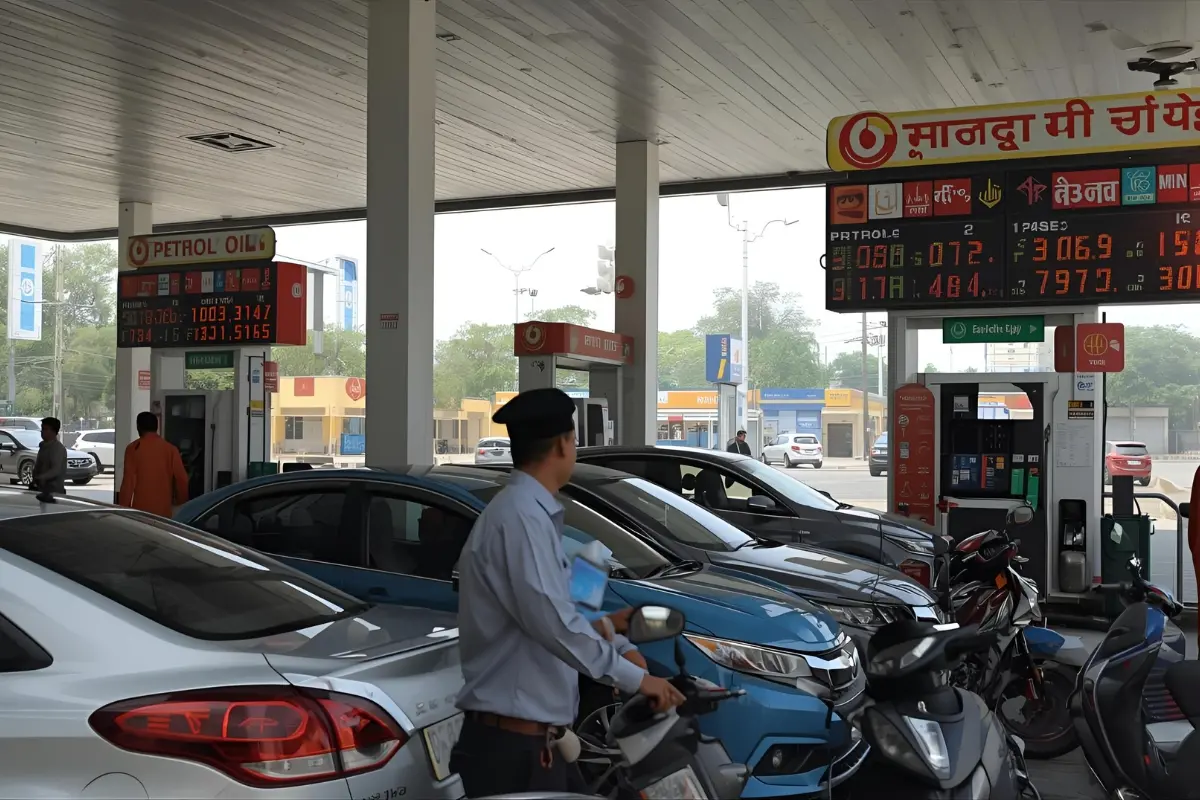
International oil prices jumped nearly 9 per cent after US and Israeli attacks on Iran, followed by Tehran’s retaliatory strikes. Despite the surge, retail petrol and diesel prices in India are unlikely to rise immediately, sources said.
Brent crude, the global benchmark, climbed close to USD 80 per barrel, while US-traded crude rose 8.6 per cent to USD 72.79, up from around USD 67 on Friday.
India shields consumers amid global price spike
India imports 88 per cent of its crude oil, used to produce fuels like petrol and diesel. Higher global prices increase import bills and can fuel inflationary pressures. Yet retail fuel rates have been frozen since April 2022.
“Retail petrol and diesel prices have been on a freeze since April 2022, with fuel retailers like Indian Oil Corporation (IOC), Bharat Petroleum Corporation Ltd (BPCL) and Hindustan Petroleum Corporation Ltd (HPCL) absorbing losses when crude prices are high and making profits when rates are low,” sources said.
The government continues to cushion consumers while allowing oil companies to build margins when international prices fall. Officials indicated the policy will remain unless crude prices spike dramatically, particularly with upcoming assembly elections in West Bengal, Tamil Nadu, and Assam.
Strategic concerns over Strait of Hormuz
India relies on the Strait of Hormuz for nearly half of its crude and LNG imports. Iranian threats to close the strait, following US and Israeli attacks, have halted tanker movements as insurers withdrew coverage.
“We are continuously monitoring the evolving situation and all steps will be taken in order to ensure availability and affordability of major petroleum products in the country,” the ministry said in a post on X.
Oil companies are reportedly well-prepared for price surges. “They have enough cushion to sustain this kind of prices spike,” a source said. “We have seen prices rise to USD 119 per barrel in June 2022 in the aftermath of Russia's invasion of Ukraine. That year they had nominal profits but in FY24 they posted record Rs 81,000 crore profit. This year, the three companies have posted Rs 23,743 crore profit in the December quarter alone.”
Crisil Intelligence Director Sehul Bhatt warned the conflict could increase pricing and procurement risks for crude oil and LNG, potentially affecting India’s energy security. Alternative shipping routes via the Cape of Good Hope would lengthen transit and add costs.
Moody’s Analytics highlighted further disruption risks in the Red Sea and wider Middle East. Wood Mackenzie cautioned oil prices could exceed USD 100 per barrel if tanker traffic through the strait is not restored, creating a dual supply shock as OPEC spare capacity remains inaccessible.