India bets big on EVs with reduced duties, Rs 4,150 crore investment drive
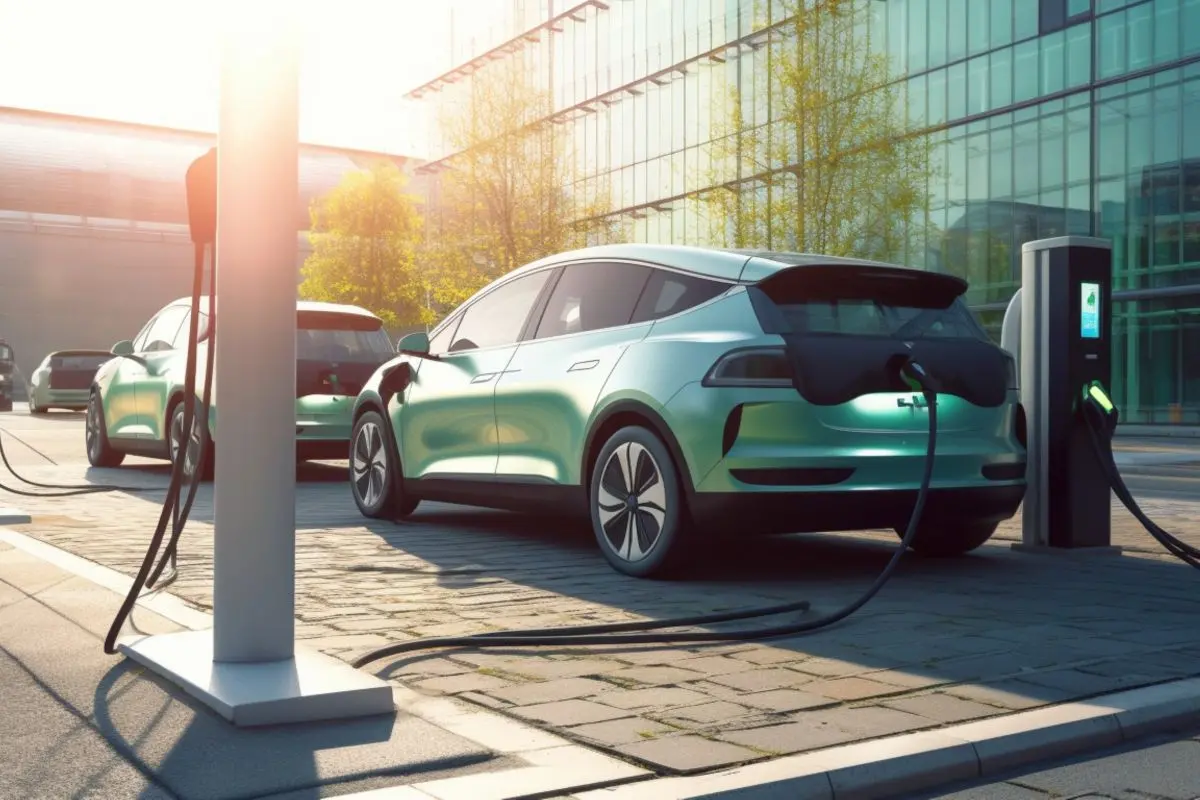
The Narendra Modi government has greenlit a landmark scheme aimed at turbocharging the domestic manufacture of passenger cars, with a significant emphasis on electric vehicles (EVs).
This forward-looking initiative aligns with India's ambitious goals of achieving net-zero emissions by 2070, fostering sustainable mobility, driving economic growth, and mitigating environmental impact. The ultimate vision is to establish India as a leading global hub for automotive manufacturing and innovation.
The Ministry of Heavy Industries (MHI) officially released detailed guidelines for the "Scheme to Promote Manufacturing of Electric Passenger Cars in India" (SPMEPCI). While the scheme itself was notified on March 15, 2024, alongside reduced import duties by the Department of Revenue, Ministry of Finance, the MHI expects to issue the notice for inviting applications shortly, enabling prospective manufacturers to submit online applications.
The scheme is designed to attract substantial investments from global EV manufacturers, firmly placing India on the world map for electric vehicle production. It's also expected to generate significant employment opportunities and bolster the "Make in India" initiative.
To incentivize global players, approved applicants will be permitted to import Completely Built-in Units (CBUs) of e-4Ws with a minimum CIF (Cost, Insurance, and Freight) value of $35,000 at a reduced customs duty of 15% for a period of five years from their application approval date.
To qualify for the scheme, approved applicants must commit to a minimum investment of Rs 4,150 crore in domestic manufacturing facilities.
During a press conference on Monday, Union Minister HD Kumaraswamy elaborated on the scheme's vision. "Under the visionary leadership of Prime Minister Narendra Modi, the Ministry of Heavy Industries has approved a forward-looking scheme to promote the domestic manufacture of passenger cars, with a special focus on electric vehicles," he stated.
"This landmark initiative aligns with India's national goals of achieving Net Zero by 2070, fostering sustainable mobility, driving economic growth, and reducing environmental impact. It is designed to firmly establish India as a premier global destination for automotive manufacturing and innovation."
Kumaraswamy emphasized the scheme's strategic design to position India as a global EV manufacturing hub. "With a minimum investment threshold of Rs 4,150 crore, it provides an enabling policy environment for leading global and domestic players to establish long-term manufacturing footprints in the country," he added. "Through calibrated customs duty concessions and clearly defined domestic value addition (DVA) milestones, the scheme strikes a balance between introducing cutting-edge EV technologies and nurturing indigenous capabilities."
He concluded by noting that mandating domestic value addition targets would further boost the 'Make in India' and 'Aatmanirbhar Bharat' initiatives, empowering both global and domestic companies to become active partners in India’s green mobility revolution.
Key investment guidelines
* Reduced Import Duty: Approved applicants can import e-4W CBUs with a minimum CIF value of $35,000 at a reduced customs duty of 15% for five years from the approval date.
* Import Cap: A maximum of 8,000 e-4Ws per year can be imported at the reduced duty rate, with unutilized annual import limits permitted for carryover.
* Duty Foregone Limit: The total duty foregone per applicant is capped at the lower of Rs 6,484 crore or the applicant's committed investment (minimum Rs 4,150 crore).
* Domestic Value Addition (DVA): The Standard Operating Procedure (SOP) of the Production Linked Incentive (PLI) Scheme for Automobile and Auto Component (PLI Auto Scheme) will be used to assess the DVA of eligible products. Certification of DVA will be conducted by MHI-approved testing agencies.
* Eligible Investments: Investment must be made for domestic manufacturing of eligible products. For brownfield projects, a clear physical demarcation from existing facilities is required. Eligible expenditures include new plant, machinery, equipment, associated utilities, and Engineering Research and Development (ER&D).
* Ineligible Expenditures: Land expenditure will not be considered. However, buildings for the main plant and utilities can be included, provided they do not exceed 10% of the committed investment. Expenditure on charging infrastructure will be considered up to a maximum of 5% of the committed investment.