How Iran war is choking India's auto factories
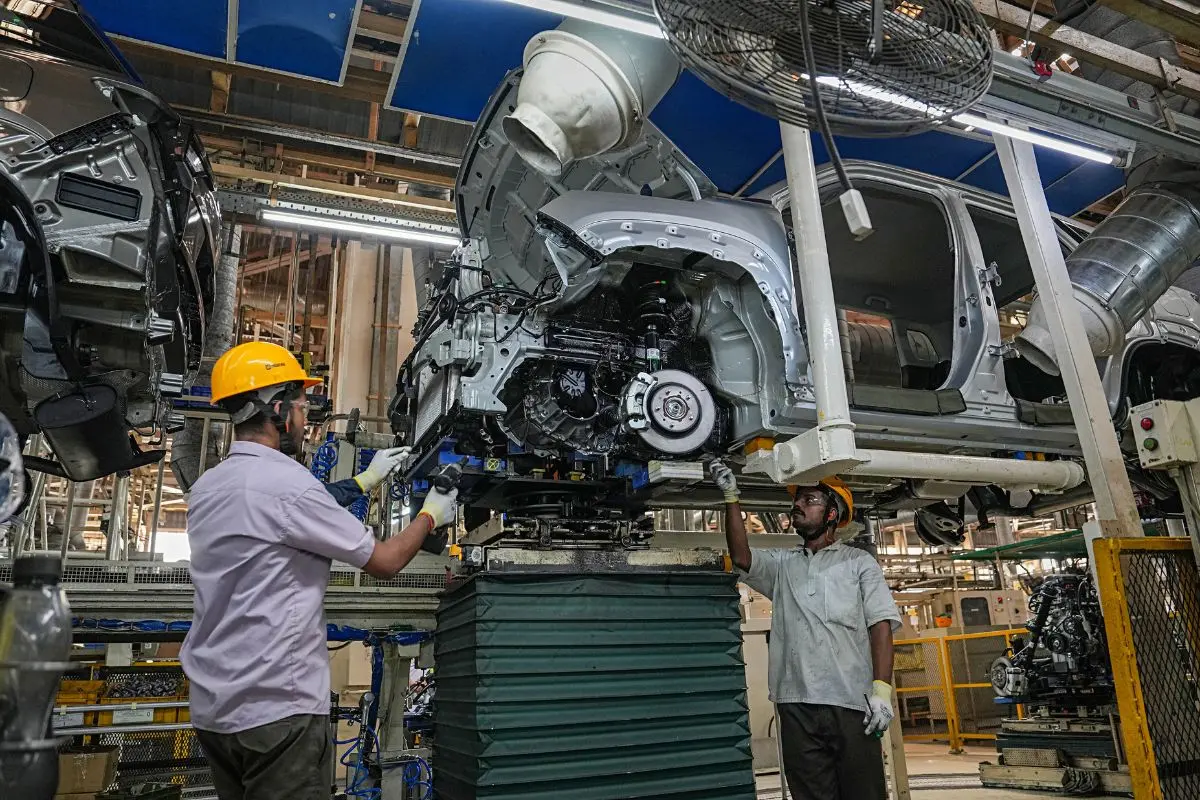
India's auto industry -- the world's third-largest car market -- faces mounting production disruptions as the Iran-Israel conflict chokes natural gas supplies to manufacturing plants across the country, with parts suppliers to major automakers already reporting fuel shortages that could soon cascade into assembly-line slowdowns.
Some parts suppliers to Maruti Suzuki, Tata Motors, and Mahindra & Mahindra are reporting gas shortages, according to Reuters, which spoke to two dozen executives at car companies, parts makers, and dealers. The disruption arrives as Indian car demand is soaring toward a record 4.5 million units in the fiscal year ending March 31, leaving little excess inventory.
"At this point in time it is about survival. First and foremost we need to ensure production continues. The buffer stocks will not last long," a senior executive at a leading carmaker told Reuters
India relies on the Middle East for roughly 50% of its natural gas imports, mostly from Qatar, which halted liquefied natural gas production on March 2 after Iranian drone and missile strikes on the Ras Laffan facility. A fresh Iranian missile attack on March 18 caused what QatarEnergy called "significant damage" to Ras Laffan Industrial City, the world's largest LNG export complex.
QatarEnergy's CEO told Reuters the strikes have impaired 17% of the country's LNG export capacity, with recovery potentially taking three to five years.
ALSO READ | Gulf states targeted: UAE, Kuwait, Saudi Arabia respond to Iranian missile and drone strikes
Shipments through the Strait of Hormuz have also dropped sharply after Iranian attacks on commercial vessels. GAIL (India), the country's largest gas distributor, has cut industrial gas supply by 50% and reduced LNG allocations to zero for some consumers, prioritizing fertilizer companies and household use.
While automakers have not officially cut production schedules, the strain is visible. At least four executives told Reuters that Tata and Mahindra are already operating some factories below capacity. Tata Motors said its operations are "near normal" and that it is working with suppliers to ensure continuity.
Mahindra said it has not lost production against its plan.
The stress is most acute among small and medium manufacturers that form the backbone of India's auto supply chain. Kirloskar Ferrous Industries, a supplier of iron castings to Mahindra, told stock exchanges it has shut one of two moulding lines at its Solapur plant "until further notice" due to LPG supply disruptions. Hindalco Industries declared force majeure to its extruded aluminium customers on March 11, citing the gas shortage.
ALSO READ | Footwear sector in crisis; manufacturers to hike prices from March 23
Rahul Bharti, senior executive officer for corporate affairs at Maruti, India's biggest carmaker, told Reuters: "We have received some information about challenges in energy supply for our in-house and our suppliers' production operations. As of now, our operations are running as per plan".
S&P Global Mobility has already cut its India light vehicle production growth forecast for 2026 to 6.3% from 7.4% projected before the war, with analyst Gaurav Vangaal warning further revisions may follow depending on how long the conflict lasts.