How can traffic violations increase your car insurance costs?
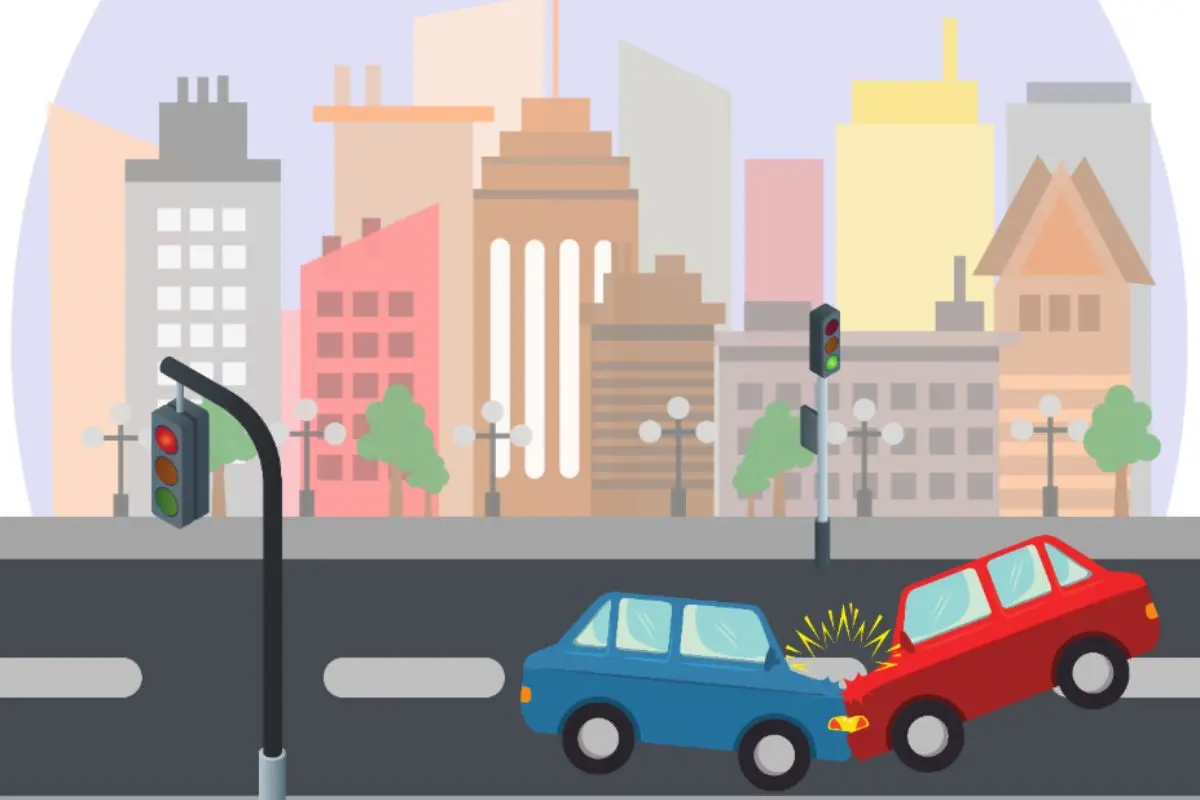
Let’s face it, most drivers don’t read the fine print of their car insurance policies. And almost none of us pause to think, “How will this red-light jump affect my premium next year?” But here’s the cold, hard truth: traffic violations are more than just legal blemishes or fines; they’re silent escalators of your insurance costs.
Car insurance isn’t just about protecting your vehicle or covering damage; it’s about risk calculation. And every time you get a speeding ticket or forget to signal during a turn, you're silently nudging that risk meter higher in the eyes of your insurer.
Today, we will unpack the often-underestimated connection between traffic violations and car insurance costs. We’re not just talking about speeding tickets; we’re diving into the data, the psychology of underwriters, and how a single mistake can trigger the costs.
The hidden math: Why insurers care so much about traffic violations
Every time you commit a traffic violation, you’re not just breaking a rule; you’re giving insurers data. Risk data. Insurers are in the business of calculating probabilities, and every point on your driving record helps them forecast one thing: How likely are you to cost them money? Here’s the unspoken equation:
Bad driving record = Higher perceived risk = Higher premium
Insurance companies categorize drivers based on risk profiles. Your car insurance policy is priced based on these risk assessments, which makes maintaining a clean driving record critical. If your record is peppered with moving violations, they see you as statistically more likely to be involved in an accident. The result? You’re grouped with high-risk drivers and charged accordingly.
And it's not just a major offense. Even something as simple as a rolling stop or a minor speeding ticket can push you into a higher-risk category, especially if repeated.
A deeper dive: Types of traffic violations that affect premiums the most
Not all violations are treated equally. Some are shrugged off after a few years. Others can haunt your premium for nearly a decade. Let’s break it down:
1. Speeding tickets
Impact: High, especially if you were significantly over the limit.
Why it matters: Speeding is statistically tied to more severe accidents. Insurers treat it as a red flag, especially if it’s habitual.
2. Reckless driving
Impact: Severe.
Why it matters: This goes beyond error; reckless driving suggests disregard for safety. Multiple infractions here can even get you dropped by your insurer.
3. Driving under the influence (DUI)
Impact: Extreme.
Why it matters: One DUI can more than double your insurance rate, and in many cases, insurers may refuse to cover you without special (and costly) high-risk plans.
4. Running red lights or stop signs
Impact: Medium to high.
Why it matters: These violations suggest distracted or impatient driving, both predictors of accidents.
5. License-related offenses (e.g., driving with a suspended license)
Impact: Severe.
Why it matters: Suggests intentional non-compliance. Insurers interpret this as a breakdown of responsibility, something they don’t gamble on.
6. Failure to maintain insurance
Impact: High.
Why it matters: If you’ve let your policy lapse or driven uninsured, you’re flagged as unreliable in the insurance ecosystem.
Duration matters: How long do violations affect your insurance?
Contrary to what many believe, traffic violations don’t follow you forever, but they do hang around longer than you'd like.
Minor violations (speeding <15 mph over limit, failure to yield): Stay on record for 3 years on average.
Major violations (DUI, reckless driving): Can stay for 5 to 10 years depending on your state’s laws.
And here’s where it gets interesting: some insurers look back only 3 years, while others go as far back as 7. It varies by provider, but in most cases, the more recent your violations are, the heavier the hit on your premiums.
Compounding risk: The insurance domino effect
Let’s imagine a scenario. You get a speeding ticket in March. Your insurer finds out during your policy renewal in June. Your premium goes up by 15%. Six months later, you get pulled over again, this time running at a red light. That’s not just two violations; it’s a pattern.
This changes everything. You're no longer seen as a driver who made a one-time mistake. You’re now a habitual risk, and your insurer might respond in one of the following ways:
Surcharges: Your premium increases again, this time with additional "penalty charges."
Loss of discounts: Any safe driver discounts or no-claim bonuses? Gone.
Reclassification: You’re now in a higher risk tier, even if your violations were minor.
Non-renewal: Insurers may choose not to renew your policy if the risk exceeds their comfort zone.
Behind closed doors: How insurers discover your violations
Think insurers won’t find out? Think again. Insurers have access to several databases:
Motor Vehicle Reports (MVRs): Pulled at the time of quote or renewal.
CLUE Reports (Comprehensive Loss Underwriting Exchange): Includes claims and underwriting data from most insurers.
Even if you don’t self-report a violation (and why would you?), the next time your insurer pulls up your records, it’s all there, neatly timestamped. And in some states, insurers are allowed to periodically review your driving record, even mid-policy.
The psychological game: How one violation can shape your driver profile
Beyond the financial side, there's an often-overlooked dimension, driver profiling. Insurers are moving toward behavioral underwriting, where your behavior patterns (collected via telematics, reports, and claim history) are as important as your demographics.
One violation may seem small, but when combined with:
Late premium payments
Gaps in coverage
Claim frequency
And guess what? Premiums are based on narratives.
What you can do: Smart strategies to prevent a premium hike
No one can change the past, but you can soften the financial impact of past mistakes. Here’s how:
Defensive driving courses: Many insurers offer discounts if you take a certified driving course. Some states even allow you to remove points from your license.
Telematics-based policies: Let your driving speak for you. Usage-based insurance or telematics-based plans reward good driving in real time, even if your past record isn’t squeaky clean.
Don’t switch carriers hastily: If you have recent violations, avoid shopping for new insurance too soon. New providers will often charge higher premiums than your current one would after a hike.
Bundle policies: Combining car insurance with home or life coverage can offset the cost increase from a violation.
Check for violation forgiveness programs: Some insurers offer “accident forgiveness” or “violation forgiveness” programs, especially if you've been claim-free for years before the incident.
Drive clean, pay less
We live in a data-driven age, and the road is no longer the only place where you're driving shows up. It lives in databases. It lives in reports. And most importantly, it lives on your insurance premium. So next time you're tempted to rush through a yellow light or take that phone call at a red signal, remember, it's not just about a fine. It’s about how much you'll end up paying every month, for years to come.