Check petrol, diesel prices today: Know how US trade deal and Russia equation may affect fuel rates
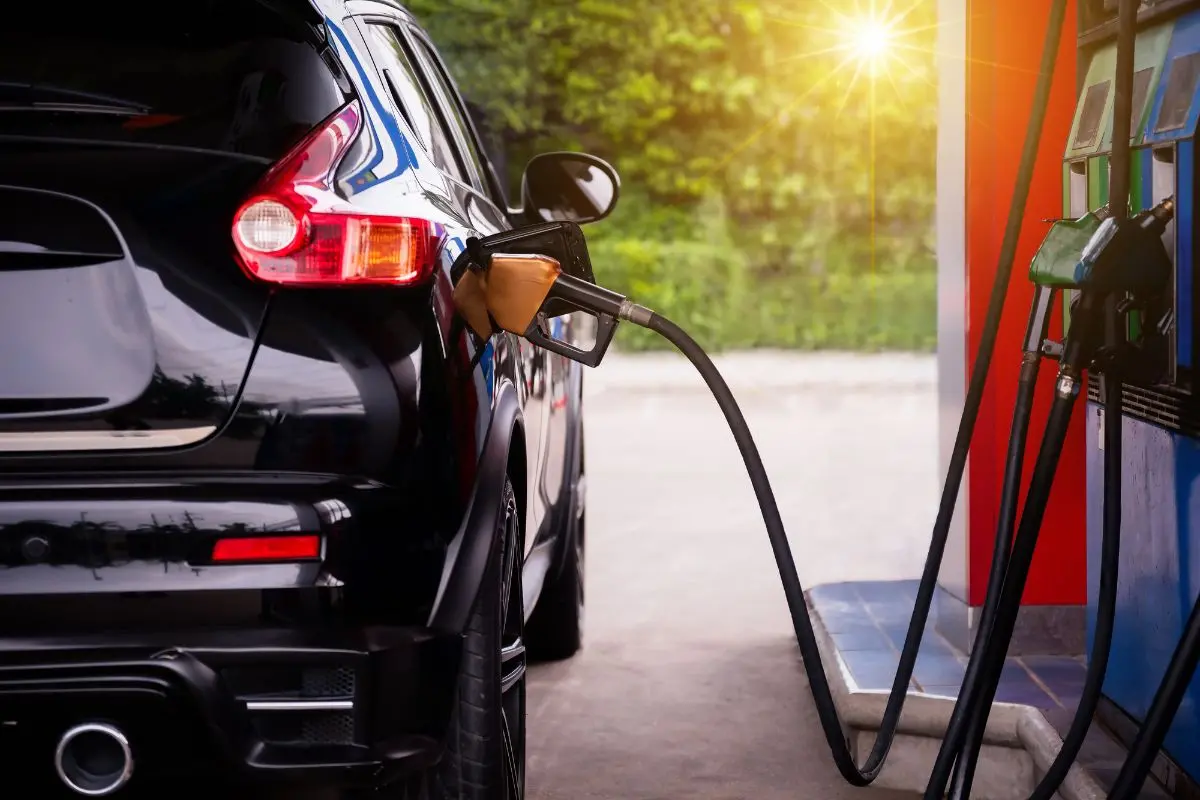
Petrol and diesel prices in India’s metropolitan areas and state capitals showed minimal movement on Sunday, February 8. In New Delhi, petrol remained steady at ₹94.77 per litre, while diesel held at ₹87.67.
Among other metro cities, the highest petrol rate was recorded in Hyderabad at ₹107.46, while the lowest was in Chandigarh at ₹94.30. Diesel prices peaked in Thiruvananthapuram at ₹96.18 and were lowest in Chandigarh at ₹82.45.
City-wise petrol rates (₹/litre): New Delhi ₹94.77, Kolkata ₹105.41, Mumbai ₹103.54, Chennai ₹100.85, Gurgaon ₹95.65, Noida ₹95.05, Bangalore ₹102.92, Bhubaneswar ₹100.97, Chandigarh ₹94.30, Hyderabad ₹107.46, Jaipur ₹104.72, Lucknow ₹94.69, Patna ₹105.23, Thiruvananthapuram ₹107.30.
City-wise diesel rates (₹/litre): New Delhi ₹87.67, Kolkata ₹92.02, Mumbai ₹90.03, Chennai ₹92.40, Gurgaon ₹88.10, Noida ₹88.19, Bangalore ₹90.99, Bhubaneswar ₹92.55, Chandigarh ₹82.45, Hyderabad ₹95.70, Jaipur ₹90.21, Lucknow ₹87.81, Patna ₹91.49, Thiruvananthapuram ₹96.18.
India’s energy balancing act: Russia and the US
India faces a delicate challenge in balancing its historical energy relationship with Russia and a major new trade partnership with the United States.
While Washington suggests India has agreed to halt Russian oil imports in exchange for lower trade tariffs, New Delhi insists, “supreme priority is the energy security of 1.4 billion citizens.”
The geopolitical shift has been evident in import patterns. Russian crude, which recently accounted for nearly 40% of India’s oil imports, now makes up less than 25%. On the other hand, India has committed to buying $500 billion in US energy and technology products over the next five years.
Impact on domestic fuel prices
For Indian consumers, the transition away from Russian oil could affect petrol and diesel prices. Analysts point to the end of the “Russian discount,” with lower-cost Russian barrels being replaced by higher-priced alternatives, potentially raising India’s annual fuel bill by up to $12 billion.
If global markets lose the 10% of crude currently supplied by Russia, international oil prices could rise by 10%, putting immediate upward pressure on domestic rates.
To mitigate this, India may diversifying its oil sources, turning to Iraq, Saudi Arabia, and the UAE. While the trade deal with the US removes punitive tariffs on Indian exports, crude costs remain volatile. Local fuel prices will ultimately reflect whether the benefits of the US trade alignment outweigh the rising costs of replacing discounted Russian oil.