Buying an E-Scooter? Know these insurance secrets first
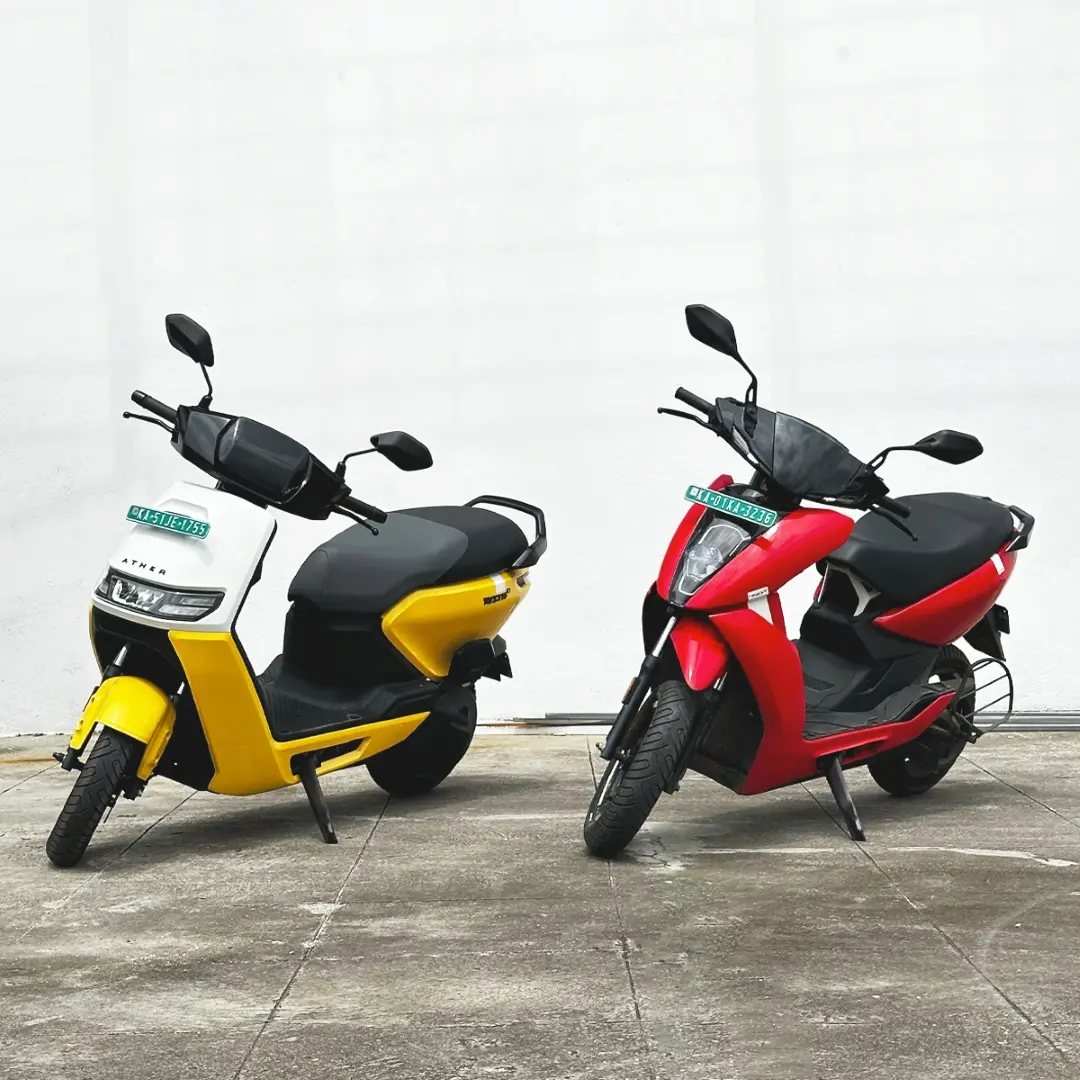
Two-wheelers, whether electric or petrol-powered, are a preferred mode of transport for many. While both require insurance for protection against accidents, theft, or damage, their coverage differs in several ways. Understanding these differences can help you choose the right insurance and avoid unexpected costs.
What is electric two-wheaeler insurance?
Electric two-wheeler insurance provides financial protection for electric bikes or e-bikes against unforeseen events such as accidents, natural disasters, theft, or fire. Since electric bikes have unique components, such as batteries and charging systems, a specialised insurance policy covers issues like battery failure, damage to charging equipment, and specific repairs.
What does electric two-wheeler insurance cover?
A comprehensive electric two-wheeler insurance policy typically includes:
Accident coverage: Covers repair or replacement costs if the e-bike is involved in a road accident.
Natural and man-made calamities: Protection against floods, earthquakes, riots, vandalism, and similar incidents.
Theft protection: Compensation if the bike is stolen, provided a Non-Traceable Certificate is issued by the police.
Fire damage: Covers loss or damage caused by accidental fires.
Third-party liability: Covers damage caused to another person's property or vehicle.
Personal accident cover: Provides financial compensation in case of injury or death of the insured.
Exclusions in electric two-wheeler insurance
Electric two-wheeler insurance does not cover:
Own damage in third-party insurance: If you only have third-party insurance, damage to your own bike is not covered.
Invalid documentation: Claims are not valid if the rider does not have a valid driving licence or insurance policy.
Alcohol or drug influence: No coverage applies if the rider was intoxicated at the time of the accident.
Consequential damages: Indirect damage, such as battery issues due to misuse, is not included.
Intentional damage: If further damage occurs due to continued use of a damaged bike, it is not covered.
Unpurchased add-ons: Only damages covered by selected add-ons are included in the policy.
How does insurance differ between electric and conventional two-wheelers?
While both types of two-wheelers require insurance, there are some key differences:
Premium costs: Electric bikes have expensive components, particularly batteries, yet their insurance premiums are often lower than those of conventional bikes. Premiums vary based on the make and model.
Battery coverage: Unlike petrol bikes, electric two-wheeler policies typically include coverage for battery damage, an essential and costly part.
Repair expenses: Due to advanced components, electric bikes may have higher repair costs, which are factored into insurance coverage. Conventional bikes, with more readily available and affordable spare parts, often have lower repair costs.
Charging equipment: Some electric bike insurance policies cover external charging equipment, such as home charging stations, an aspect irrelevant to petrol bikes.
Range assistance: Certain insurers offer support if an electric bike runs out of charge mid-journey, which is not a concern for petrol-powered two-wheelers.
Government incentives: Some states offer subsidies for electric two-wheelers, reducing the overall ownership cost and potentially lowering insurance premiums. Such incentives are not available for petrol bikes.
The basic principles of two-wheeler insurance remain the same for both electric and conventional bikes. However, electric vehicles come with high-value components like batteries and charging units that require specialised policies. While insurance premiums vary, government incentives and additional coverage options can make electric two-wheeler insurance cost-effective.
Whether you ride an electric or petrol-powered bike, maintaining a claim-free record can help you earn a No Claim Bonus (NCB), which lowers insurance premiums over time. Understanding these differences and choosing the right coverage ensures peace of mind and financial security while on the road.
(Agency inputs)