Jet fuel gets costlier: Why Chennai’s ATF price can be higher than Delhi, Mumbai
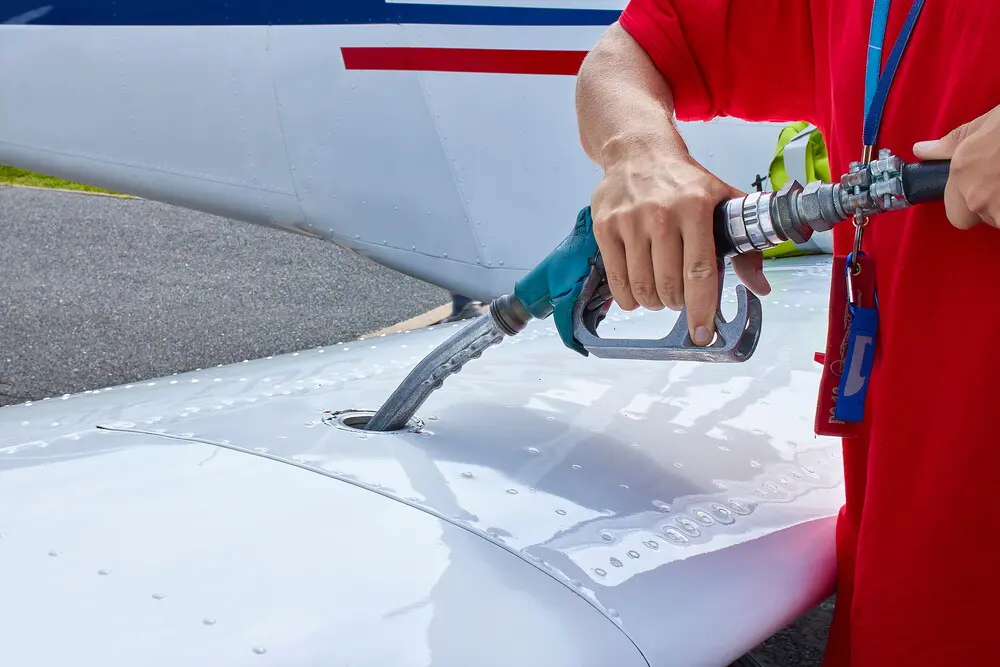
Aviation turbine fuel (ATF) has become costlier for the third consecutive month, rising by around ₹16 per litre to ₹137 for domestic airlines from October 1.
However, for airlines operating out of Chennai, the latest hike comes with another complication, a significantly higher state tax burden on jet fuel.
The latest revision takes ATF from about ₹121 per litre to ₹137 per litre, according to state-owned oil marketing companies.
The increase follows a ₹5 per litre rise in August and another ₹6.28 per litre, or 5.46 per cent, hike in September.
Fuel can account for around 40 per cent of an airline's operating costs, making repeated ATF increases an important factor for carriers.
The October increase also comes as the government continues its effort to shield airlines from extreme fuel-price volatility triggered by the West Asia crisis.
In June, the Union Cabinet approved a one-time budgetary support of up to ₹10,000 crore for a temporary ATF price-stabilisation mechanism for scheduled Indian airlines.
However, the stabilisation framework also highlighted just how differently airlines can be affected depending on where they refuel.
Under the scheme announced in June, participating airlines were to receive ATF at a fixed benchmark price, with airport charges, oil company margins and applicable taxes added to the final price. Government officials estimated that this would translate into an effective price of around ₹115 per litre in Delhi, ₹114.50 in Mumbai and ₹139 in Chennai.
The disparity was not because Chennai's jet fuel was inherently different. A major reason was the tax structure applicable to ATF.
Why Chennai can face a higher ATF bill
- Higher effective cost: Under the Centre’s June stabilisation scheme, ATF was estimated at ₹139/litre in Chennai, versus ₹115 in Delhi and ₹114.50 in Mumbai.
- State taxes matter: ATF costs vary because state-level taxes and levies differ across airports.
- Delhi, Maharashtra cut VAT: Both reduced ATF VAT to 7%, lowering the tax component for airlines.
- ₹137 hike adds pressure: The October 1 ATF increase means airlines already facing higher location-based costs now face another fuel-cost burden.
Tamil Nadu has historically levied a much higher VAT on aviation fuel than several other major states.
In May, the Civil Aviation Ministry said Tamil Nadu's ATF VAT stood at 29 per cent, compared with 25 per cent in West Bengal. Maharashtra, meanwhile, had cut its ATF VAT from 18 per cent to 7 per cent for six months, while Delhi also reduced its VAT from 25 per cent to 7 per cent.
That makes the Chennai angle particularly important for airlines. A rise in the underlying price of ATF is one layer of the cost, while state-level taxes and airport-related charges can add another.
IndianOil's own historical price data also shows that ATF prices have differed significantly between India's major metros.
In March 2026, for instance, its listed domestic-airline ATF price was ₹96,638.14 per kilolitre in Delhi, ₹90,451.87 in Mumbai and ₹1,00,280.49 in Chennai.
The latest hike therefore matters beyond the headline ₹137 figure. For airlines, the impact of an ATF increase depends not only on international fuel prices but also on where the aircraft is refuelled and the taxes applicable at that airport.
Another development could confuse. From October 1, the Centre reduced the export levy on ATF from ₹15 to ₹10.50 per litre.
The diesel export levy was also cut from ₹20 to ₹16 per litre. The levies are reviewed every fortnight based on international crude and petroleum-product prices.
That export-levy cut, however, should not be interpreted as a reduction in the price paid by domestic airlines.
It applies to ATF being exported, while the separate October 1 revision has raised the domestic ATF price for airlines.
For passengers, the immediate question is whether the latest fuel increase will translate into higher airfares.
That is not automatic. Airlines can absorb part of the increase or pass some of it on through fares and surcharges.
But with ATF already accounting for a substantial share of operating costs, three consecutive monthly increases add pressure to airline finances.
The Chennai comparison puts the issue into sharper focus: India's jet-fuel problem is not simply about the global price of crude or ATF. For airlines, the final fuel bill can also depend heavily on the state in which they refuel.