Air India’s record losses expose the true cost of a massive airline turnaround
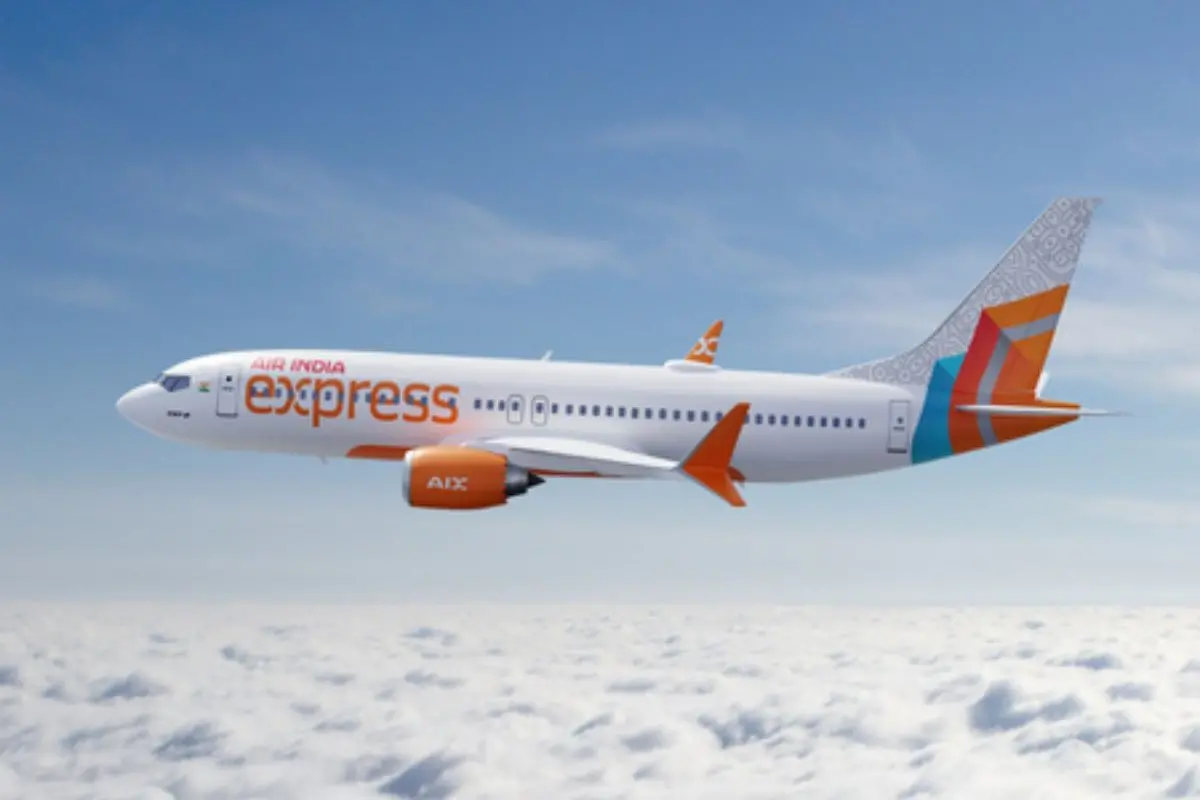
India’s aviation market may be one of the fastest-growing in the world, but the latest financial disclosures from Singapore Airlines reveal just how expensive and difficult transforming Air India has become.
Air India reported a staggering loss of S$3.56 billion, approximately around ₹26,800 crore or $2.8 billion for FY26, marking the airline’s biggest annual loss since the Tata Group took control of the carrier in 2022. The figures were disclosed through Singapore Airlines’ annual report. The losses also heavily impacted Singapore Airlines, which now owns a 25.1 per cent stake in Air India following the merger of Vistara with Air India in late 2024.
Despite posting record revenues and strong passenger demand globally, Singapore Airlines saw its net profit fall by 57.4 per cent during FY25, largely because of Air India’s losses.
Revenue growth, but costs rising faster
Air India’s revenue more than doubled to S$10.53 billion, around ₹79,219 crore during FY26 following the integration of Vistara and expansion of international operations. On paper, the revenue growth reflects the scale of the Tata Group’s ambitious rebuilding strategy. However, behind the growth numbers lies a much tougher reality.
The airline has spent the past year battling multiple crises simultaneously like rising jet fuel prices, Pakistan’s closure of airspace for Indian carriers, supply chain disruptions, aircraft shortages and operational pressures linked to geopolitical tensions in West Asia.
The situation worsened after the AI171 Dreamliner crash in Gujarat, which killed 260 people and intensified scrutiny on Air India’s safety systems, operations and management processes.
The airline has since reduced frequencies on several international routes and temporarily cut flights during the busy June-August travel period in an effort to stabilise operations and reduce passenger disruptions.
Why Singapore Airlines is still investing in Air India?
Despite the financial pain, Singapore Airlines continues to publicly support Air India and its long-term transformation strategy. SIA CEO Goh Choon Phong described the investment as a “long game” and acknowledged that there are “no shortcuts” in rebuilding an airline of Air India’s scale.
Singapore Airlines first entered India in 2013 through its joint venture with Tata Sons to launch Vistara, which eventually became one of India’s most respected full-service carriers. After Tata regained control of Air India from the government, Vistara was merged into Air India, converting SIA’s earlier 49 per cent stake in Vistara into a 25.1 per cent shareholding in the larger Air India Group. As part of the deal, Singapore Airlines invested an additional S$360 million into Air India and has already committed future capital support if required.
Industry experts believe more funding may soon become necessary.
According to aviation analysts say Air India’s turnaround is likely to take several more years and could require significantly higher investment than originally expected.
Independent aviation analyst Brendan Sobie, while speaking to CNBC described Singapore Airlines’ India strategy as “strategic rather than immediately profitable,” adding that the scale of Air India’s recent challenges has been worse than anticipated.
DBS Group Research analyst Jason Sum also warned that Air India’s continued losses and operational pressures may require a much larger capital injection from shareholders.
According to Bloomberg reports, Air India is already seeking at least ₹10,000 crore in additional financial support from Tata Sons and Singapore Airlines. Professor Sumit Agarwal of the National University of Singapore believes Singapore Airlines may continue facing cash pressure because of Air India for several years. However, he also pointed out that India’s rapidly expanding aviation infrastructure and growing middle class still make the market strategically attractive in the long run.
The India opportunity remains too big to ignore
Despite current turbulence, global airlines continue to view India as one of aviation’s biggest future growth stories. India is investing heavily in airport infrastructure, regional connectivity and aviation expansion. The country’s middle class is growing rapidly; outbound international travel is increasing and Indian airlines have collectively placed record aircraft orders over the past few years.
Singapore Airlines believes this long-term demand potential justifies the short-term financial pain. Air India’s transformation programme is also much larger than simply improving one airline. The Tata Group is effectively attempting to rebuild India’s global aviation brand while integrating multiple airline businesses, modernising fleets, improving customer experience and creating a world-class international carrier.
Rising fuel prices and geopolitics tensions
The airline industry’s global operating environment has become increasingly unstable over the past year.
The Iran conflict and tensions across West Asia have pushed global oil prices higher, directly affecting jet fuel costs. At the same time, restricted airspace over Pakistan has forced Indian airlines to operate longer routes to Europe and North America, increasing both flight time and fuel burn.
The weakening Indian rupee against the US dollar has added further pressure since aircraft leasing, fuel purchases and many aviation-related expenses are dollar-denominated.
Singapore Airlines executives acknowledged that these factors remain major headwinds for Air India’s recovery journey.
Conclusion
Air India’s record losses underline the enormous complexity involved in rebuilding a legacy airline that struggled for decades under state ownership. The Tata Group inherited operational inefficiencies, ageing systems, service quality issues, overlapping airline businesses and significant financial challenges when it acquired the carrier in 2022.
Industry observers say the transformation was never expected to deliver quick profits. Instead, the current phase is being viewed as a foundational rebuilding period involving heavy investments, operational restructuring and long-term network planning.
While the losses are substantial, many aviation experts believe the real test for Air India will be whether it can successfully stabilise operations, improve reliability and regain passenger trust over the next few years.
For Singapore Airlines and Tata Sons, the investment may currently be painful financially, but both appear convinced that India’s long-term aviation growth story is still worth betting on.