Adani seeks policy shift to launch airline, targets IndiGo and Air India dominance
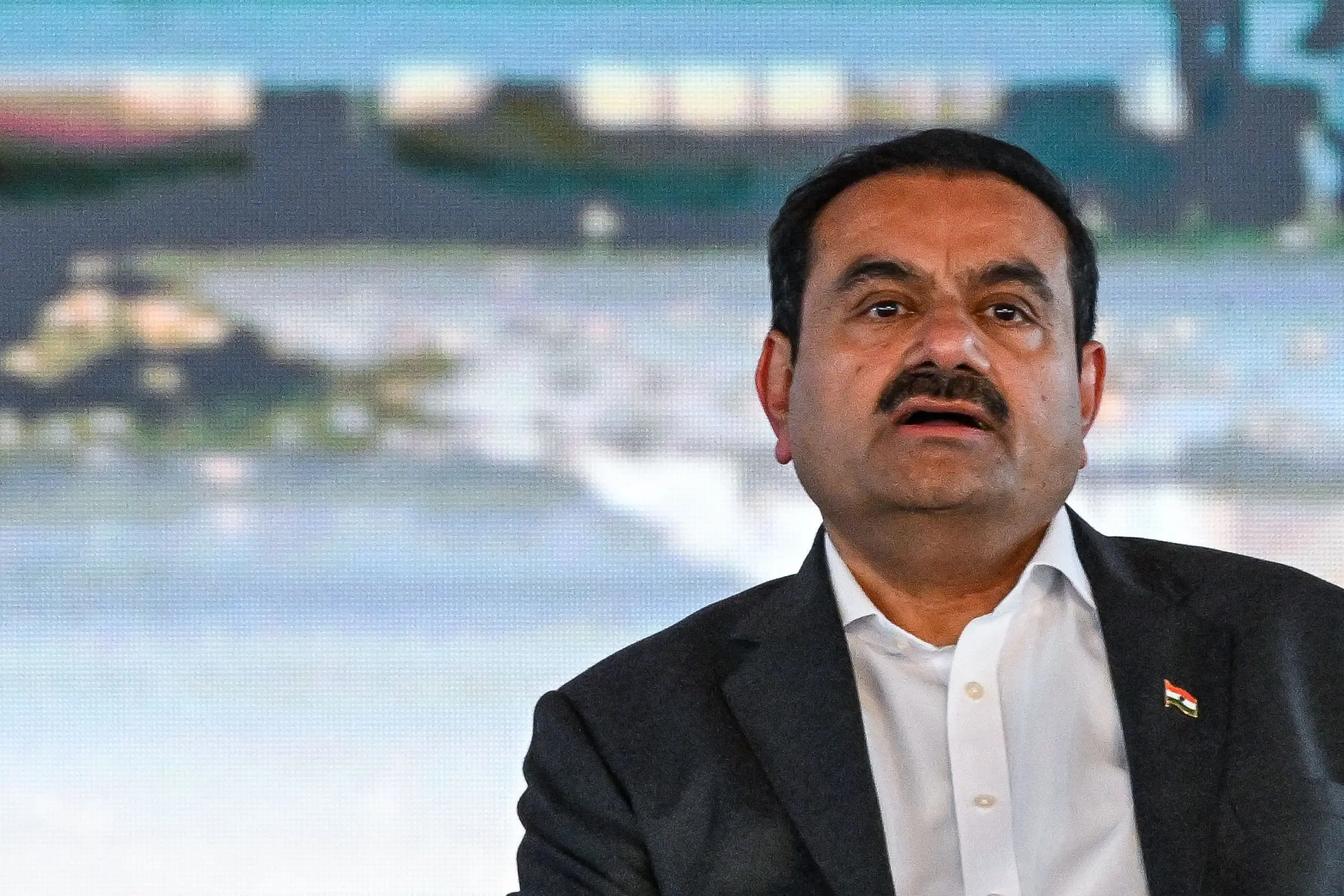
New Delhi: The Adani Group has reportedly requested the Union Government to amend a long-standing regulation that restricts operators of Delhi and Mumbai airports from holding more than a 10 per cent equity stake in any scheduled commercial airline, according to a report by The Economic Times.
If granted, the regulatory relaxation could clear the runway for the billionaire Gautam Adani-led conglomerate to establish its own carrier, directly challenging the formidable market dominance of IndiGo and Air India.
The move follows recent indications that the Centre is considering opening up airline ownership to major airport operators, including the Adani Group and GMR Airports, to inject fresh competition into India’s domestic aviation landscape, where IndiGo and Air India currently command approximately 90 per cent of passenger traffic.
According to the report, Adani has specifically petitioned to dilute a restrictive clause embedded during the privatisation of the Delhi and Mumbai airports in 2006. The Ministry of Civil Aviation is currently seeking legal counsel from Solicitor General Tushar Mehta to evaluate whether the clause can be amended retrospectively. Any formal policy change would ultimately require Union Cabinet approval.
Strategic synergies and manufacturing goals
Over recent years, the Adani Group has methodically built a comprehensive aviation footprint. Beyond operating eight airports across the country, its portfolio encompasses pilot training academies, maintenance, repair and overhaul (MRO) facilities and ground-handling services. The conglomerate holds a 74 per cent controlling stake in Mumbai International Airport, whereas Delhi airport is majority-owned by GMR Airports.
Industry sources cited in the report indicate that Adani’s ambitions are closely tied to its proposed joint venture with Brazilian planemaker Embraer to manufacture aircraft locally. Having faced limited traction from existing domestic carriers to purchase Embraer jets, the group views launching an anchor airline as a viable path to ensure the commercial success of its manufacturing project.
A senior Adani executive quoted in the report acknowledged clear operational synergies in owning a carrier, though clarifying that no final decision has been made and no advanced negotiations are underway to acquire an existing airline. The executive emphasised that the group’s request to the government was simply aimed at building a flexible regulatory framework free of ownership caps.
Government stance and conflict-of-interest concerns
Government officials indicated that the Centre is eager to foster greater competition in a domestic aviation sector currently controlled by a duopoly. A well-capitalised new entrant could boost capacity and offer passengers more choices.
However, the proposal is anticipated to trigger sharp resistance from incumbent carriers. Industry executives caution that allowing airport operators to run airlines presents inherent conflicts of interest, most notably regarding the fair distribution of lucrative airport slots that dictate take-off and landing schedules.
To mitigate these concerns, government sources assured that any regulatory overhaul would include robust safeguards. Potential measures could involve strict arm's-length mandates, prohibitions against sharing commercially sensitive slot data, and a ban on overlapping key managerial personnel between the airport and airline entities.