AC prices may jump 5-8%, TVs and fridges 3-4% from October 1
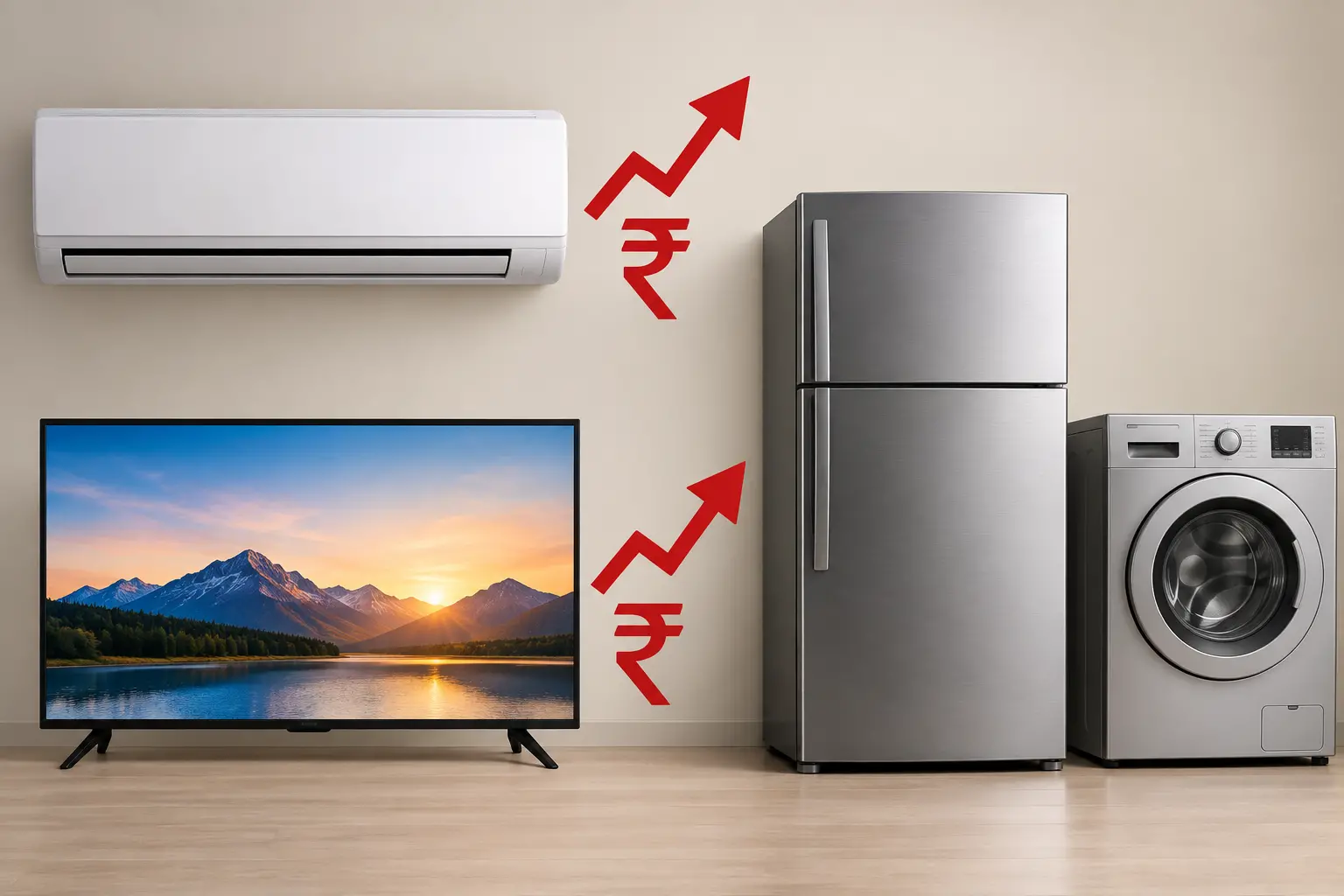
The festive shopping season is just around the corner, but consumers planning to buy a new air-conditioner, television, refrigerator or washing machine could find themselves paying more from October 1.
Several consumer electronics and home appliance manufacturers are preparing to increase prices as they head into the crucial festive sales period.
Air-conditioners are expected to see some of the steepest increases, with prices likely to rise by around 5-8 per cent. Television sets, refrigerators and washing machines could also become costlier, with some manufacturers looking at increases in the range of 3-4 per cent.
The timing is significant because October marks the beginning of one of the busiest periods for India's consumer durables industry.
With Dussehra and Diwali around the corner, retailers and manufacturers typically see a sharp rise in demand as households replace ageing appliances, upgrade their televisions or purchase air-conditioners and other electronics.
The latest price increases are being attributed to a combination of higher raw material costs, more expensive logistics and continuing pressure on global supply chains.
Manufacturers have been absorbing part of these increases for some time, but companies are now passing a portion of the additional cost on to consumers.
Why your next AC could cost significantly more
Air-conditioners are likely to be among the products most affected by the latest round of price revisions.
Industry estimates indicate that AC prices could increase by approximately 5-8 per cent from October 1, although the actual increase will vary across brands and models.
Several major manufacturers have already announced or implemented price increases.
Blue Star has raised AC prices, while LG Electronics India has indicated a 5-7 per cent increase from October. Other manufacturers, including Haier and Daikin, have also moved to increase prices as input costs remain elevated.
The impact could be substantial for consumers buying premium or high-capacity models.
For instance, an AC priced at Rs 50,000 before the increase would cost Rs 52,500 after a 5 per cent hike.
At an 8 per cent increase, the same appliance would cost Rs 54,000, adding Rs 4,000 to the purchase price. What is driving the hike? Let’s look below:
- Cost of metals used in air-conditioners: Copper and aluminium are crucial components of cooling systems, while steel is used in various parts of appliances. Prices of these commodities have remained under pressure, increasing manufacturing expenses.
- Freight and transportation costs are adding to the burden. Consumer electronics manufacturers depend heavily on components and materials sourced through international supply chains. Disruptions to shipping routes and higher logistics expenses have made it more difficult for companies to maintain earlier price levels.
- Currency fluctuations are another factor affecting manufacturers, particularly those importing components. A weaker rupee can increase the cost of imported inputs, adding further pressure on companies that already face higher commodity and transportation expenses.
For consumers, the result is a difficult choice. Waiting for the festive period could bring discounts and promotional offers, but the underlying product price may be higher than it was a few weeks earlier.
TVs, refrigerators and washing machines also face price pressure
The expected increase is not restricted to air-conditioners. Manufacturers of televisions, refrigerators and washing machines are also reviewing prices as they prepare for the festive shopping season.
Some companies are expected to increase prices by around 3-4 per cent, although the final increase will depend on the manufacturer, product category and model.
Companies are taking different approaches, with some already announcing revisions while others continue to assess the impact of rising input costs.
Television manufacturers are facing additional pressure from the rising cost of components, including memory chips.
The television market is particularly sensitive to component prices because manufacturers operate in a highly competitive segment where large price increases can affect consumer demand.
Super Plastronics, which sells brands including Thomson, Kodak and Blaupunkt in India, has indicated plans for an increase in television prices after October.
Reports suggest the increase could be around 7 per cent for TVs, while prices of some of its other appliances have already risen.
However, not every manufacturer is immediately passing on the full increase. Some companies are choosing to absorb part of the additional cost in an attempt to protect festive-season sales.
Others are waiting to see how consumers respond before making broader price revisions.
There is also a potential cushion for shoppers in the form of existing inventory. Retailers may still have products purchased from manufacturers before the latest price revisions.
These units could continue to be sold at earlier prices, particularly during the initial weeks of the festive season.
That means the October 1 price revision may not automatically translate into an immediate increase across every showroom or every model.
The final price paid by a consumer could depend on the retailer's existing stock, ongoing promotions and the extent to which a manufacturer has passed higher costs through its distribution network.
Still, the broader direction is clear. Consumer electronics companies are entering the festive season with higher production and logistics costs, making another round of price increases increasingly difficult to avoid.
For households already planning major purchases, the next few weeks could therefore become important.
A festive discount may still bring down the effective price of an appliance, but consumers will need to look beyond the advertised discount and compare the actual selling price with prices available before October.
With demand expected to rise during the festive season, manufacturers and retailers will also be closely watching whether consumers bring forward purchases to avoid further increases.
The combination of higher input costs, supply-chain pressures and strong seasonal demand could determine how appliance prices behave through the rest of the year.