World Environment Day warning: Plastic peril putting migratory birds at risk too
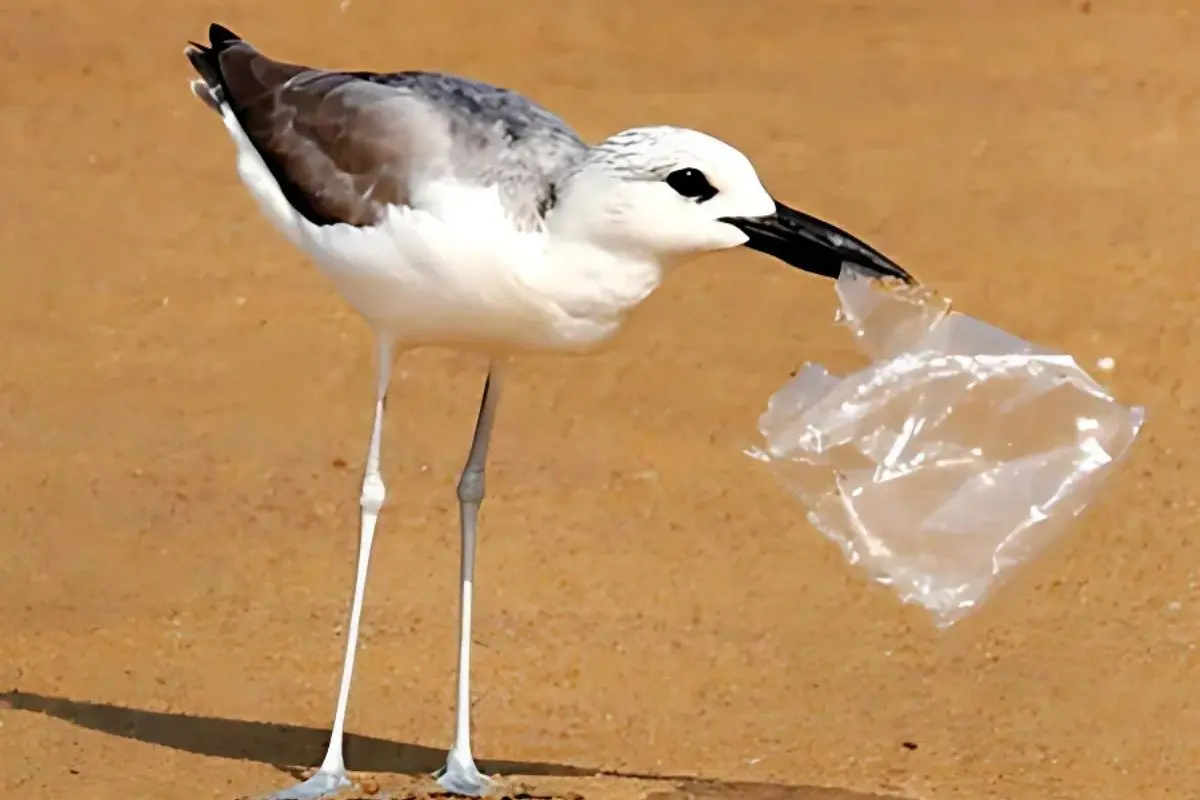
Kozhikode: Plastic pollution is not confined to the seas—it poses a serious threat to all coastal life, including migratory birds. A striking example was spotted last month at Kappad beach, where a Crab Plover, a migratory shorebird, was found with a piece of plastic bag tightly clamped in its beak. The sight served as a grim reminder that plastic waste along the coast endangers more than just marine species. It also underscores this year’s World Environment Day message: ‘Beat Plastic Pollution’.
The Crab Plover seen at Kappad beach was found holding a plastic bag in its beak—a haunting image of the growing menace of coastal pollution. According to data from the UNESCO Ocean Literacy Portal, nearly 80 percent of marine pollution comes from plastic. An estimated 8 to 10 million metric tonnes of plastic end up in the oceans every year. As this plastic degrades into microplastics, it finds its way into the bodies of marine organisms, often resulting in death.
A study conducted by the Ecomarine project team under the Department of Aquatic Biology and Fisheries at the University of Kerala confirmed that plastic pollution is destroying marine biodiversity.
Today marks World Environment Day
Migratory birds typically arrive between September and May, and the Crab Plover spotted at Kappad was one among only three seen this season. In 2008, these birds were found breeding in a bird sanctuary in Tamil Nadu. They are commonly sighted along the coasts of Iran and Oman.
Pollution, particularly from plastic, is one of the many reasons for the decline in migratory bird populations.
“Plastic causes immense harm. Birds and other animals often get entangled in discarded fishing nets and die. Some end up with plastic rings caught around their necks. Plastic is frequently ingested along with food, filling their stomachs and leaving no room for nutrition. Unable to eat or fly, they eventually perish,” said bird researcher Dr Abdullah Paleri.