Woman ambulance driver overcame personal tragedy to aid Wayanad landslide victims
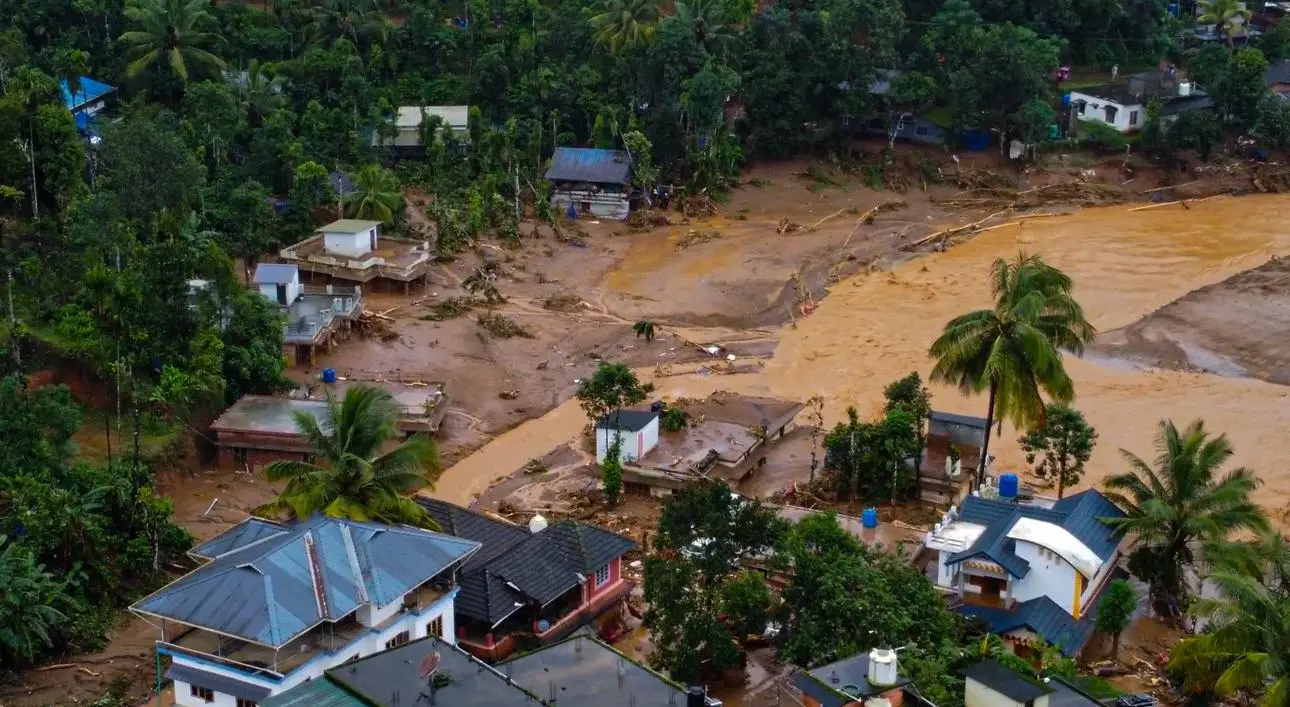
Wayanad: In the wake of the devastating landslides that struck Wayanad district in Kerala, Deepa Joseph's ambulance has been a crucial lifeline, transporting both the injured and deceased from the disaster zone.
Deepa, who made history as Kerala's first female ambulance driver, found herself deeply moved by the tragic scenes she encountered. She was particularly affected by the conditions in the temporary morgue at Meppadi and while carrying body parts of victims.
Previously, Deepa had taken a break from her ambulance work due to depression following the death of her daughter due to blood cancer. However, upon hearing about the urgent need for ambulances with freezer boxes, she travelled from Kozhikode to Wayanad to assist. The intense five days she spent working in the disaster area gave her a new perspective on her own struggles, showing her that she could cope better with her grief.
"For one or two days, we saw people who were not ready to believe that their beloved people were dead. But in the days that followed, the same people came to the morgue, praying that the bodies recovered should be those of their dear ones," said Deepa.
The heartbreaking scenes unravelled in the following days, and as internal organs, severed limbs, and bodies were crushed beyond recognition, Deepa thought she could not bear it anymore.
"I have been working as an ambulance driver for over four-and-a-half years. I have taken bodies that are several days old and highly decomposed. But in Wayanad, the relatives had to identify the bodies just by looking at a severed finger or a severed limb. It was more than what it could take," Deepa said.
She says on many occasions, internal organs were brought to the morgue, and people could not identify whether those were from humans or animals.
"The whole morgue was filled with the stench of decayed bodies. The gases emanating from the bodies blurred our vision," Deepa, who thought of going back the next day while coming to Wayanad, not realising the magnitude of the disaster, recounted how she had to continue to lend her helping hand for the remaining days.
"I went back for a day and brought my son, who was alone at home, along. Now the ambulances from other districts have gone back, and I would also go back shortly," she said.
Despite the emotional toll, Deepa has become a familiar face among the volunteers helping in the affected areas. Local women who lost everything in the landslides confide in her, and they, in turn, offer comfort when she becomes emotional about her daughter.
"I am jobless now and want to get back to driving ambulances sooner," she said.
With a son still studying, Deepa is determined to return to her ambulance work, continuing to support those in need.
Agencies