Kerala’s ‘Kumbh Mela’: What triggered the row and how Malappuram collector cleared the way
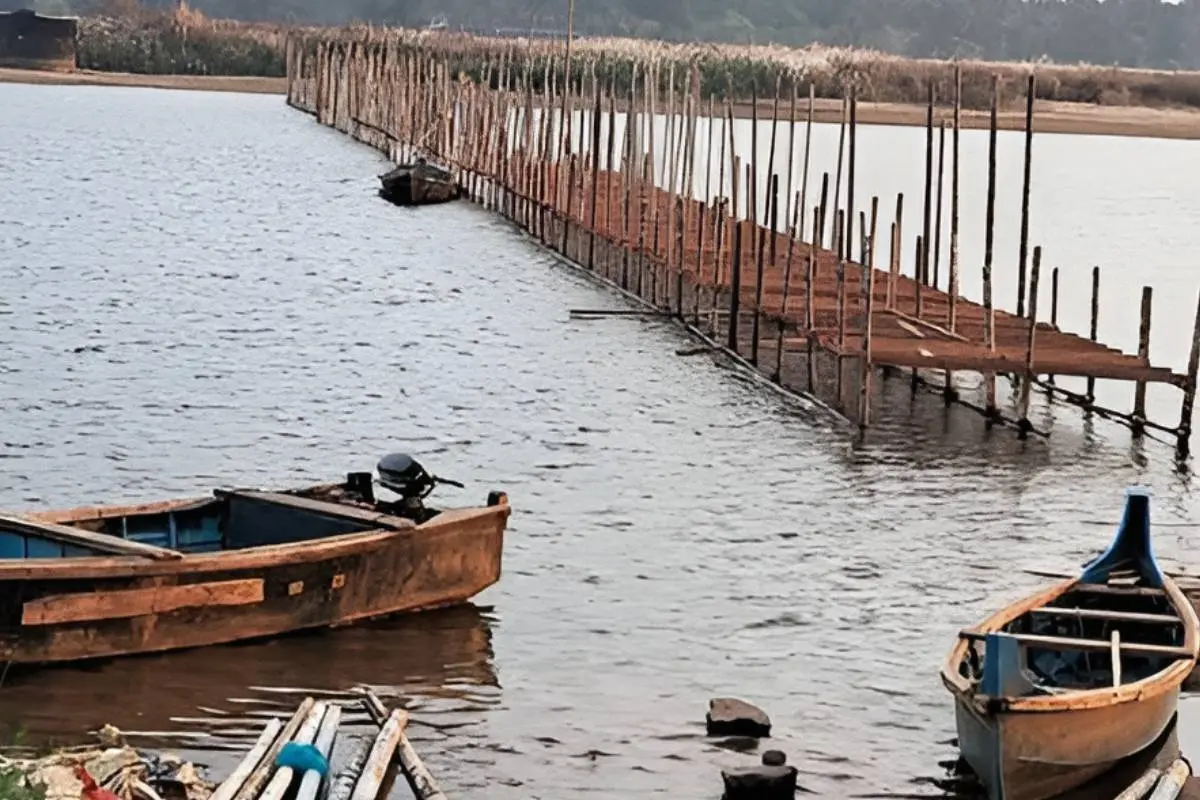
Kerala’s version of the Kumbh Mela, officially called the Mahamagha Maholsavam, will go ahead at Thirunavaya (in Kerala’s Malappuram district) on the banks of the Bharathapuzha river after days of uncertainty. Revenue authorities in Malappuram district have now allowed preparatory works to resume, subject to strict conditions aimed at public safety and river conservation. The decision has brought temporary closure to a dispute that raised questions over legality, crowd management and environmental protection.
What is Kerala Kumbh Mela?
The Mahamagha Maholsavam is being projected by organisers as the ‘Kumbh Mela of South India’. Scheduled from January 18 to February 3, the event is led by the Juna Akhara, one of India’s oldest and largest monastic orders. The festival seeks to revive the ancient Maha Makham or Mamankam, a historic religious gathering that was held in Kerala until about 250 years ago. According to organisers, over 10 lakh devotees are expected to attend, with daily footfall estimated at more than 50,000.
Why did a controversy erupt?
The row began after the Thirunavaya village officer issued a stop memo on January 8, ordering an immediate halt to preparatory works on the riverbed. The notice cited violations of the Kerala River Protection Act, 2001. Officials said a temporary pedestrian bridge was being built by encroaching into the river and that heavy machinery was being used to level parts of the riverbed. Such activities, the memo warned, could attract penalties under the law.
What did organisers allege?
Organisers rejected the allegations, saying they had applied for all required permissions as early as November and had kept officials informed in writing. They questioned the timing of the stop memo, arguing that no objections were raised while work was underway. According to them, holding the event on the riverbed was necessary to manage the large crowds safely. They also alleged that the move was aimed at disrupting the festival at a critical stage. Several Hindu organisations protested against the halt and warned of repercussions if permission was denied.
How did the uncertainty end?
After protests and consultations, the district collector convened a meeting with organisers and revenue officials. Authorities agreed to permit preparatory works, including the temporary bridge, on a conditional basis. Detailed guidelines were issued to ensure crowd safety and protect the river ecosystem. With this clearance, rituals are set to begin, marking the formal start of the festival.
Mobilising pilgrims at scale
Reports indicate extensive mobilisation efforts ahead of the event. WhatsApp groups backed by organisers and Sangh Parivar-linked bodies are being activated at district, panchayat and pan-India levels. These groups are tasked with sharing information, coordinating travel and promoting participation. Special train services are also being planned to facilitate pilgrims from north Indian states, reflecting expectations of a large, nationwide turnout.