F-35B in Kerala under UK satellite guard; likely to be shifted to hangar today
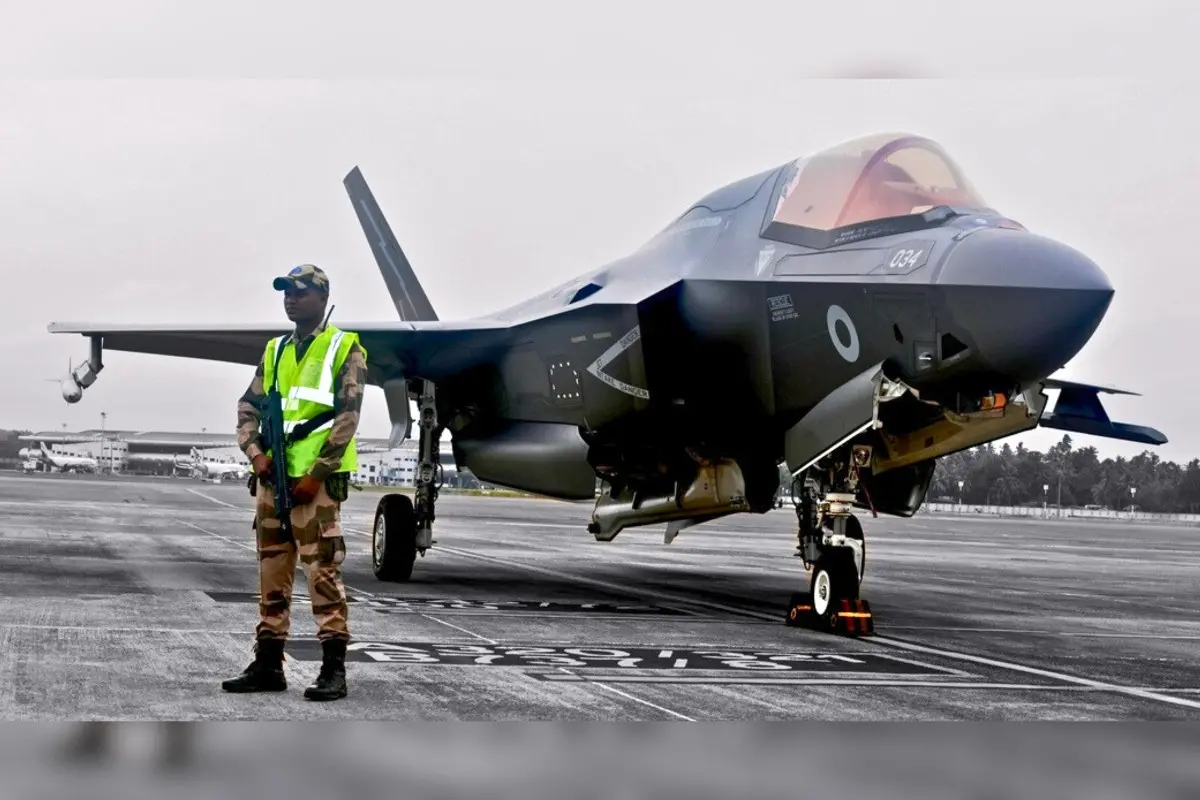
Thiruvananthapuram: The British F-35B fighter jet that landed in Thiruvananthapuram nearly two weeks ago remains stationed at Bay No. 4 of the airport. After days of uncertainty, it is now expected to be shifted to the Air India Maintenance Repair and Overhaul hangar on Saturday, once an engineering team and necessary equipment from the UK arrive. According to a report by the Independent, a Royal Navy spokesperson also clarified that reports in the Indian media claiming Britain refused to move the jet due to a lack of trust in Indian security were inaccurate.
Officials from the British side stated that the delay was due to the unavailability of technical equipment and skilled personnel required for the relocation.
The aircraft, which made an emergency landing at the Thiruvananthapuram airport on June 14, will be transferred to a space in the hangar to minimise disruptions to regular airport operations.
Aviation analyst Mark Martin told the Independent that concerns over the jet's security are unwarranted. He explained that the F-35B is likely disabled and monitored through British satellite systems, meaning any interference with the aircraft would be instantly detected by the UK. He also highlighted that the defence treaty between India and the UK obliges both nations to safeguard each other’s military assets in such circumstances.
Martin noted that if the aircraft cannot be repaired in India, the Royal Air Force may deploy a C-17 Globemaster or another heavy-lift aircraft to transport the fighter jet back to the UK.
The jet landed in India with special authorisation from both the central government and the Indian Air Force. Since its arrival, the Central Industrial Security Force (CISF) has been guarding the aircraft round the clock.