Traffic violations: Kerala’s e-challan system catches offenders, but ₹416 crore fines remain unpaid
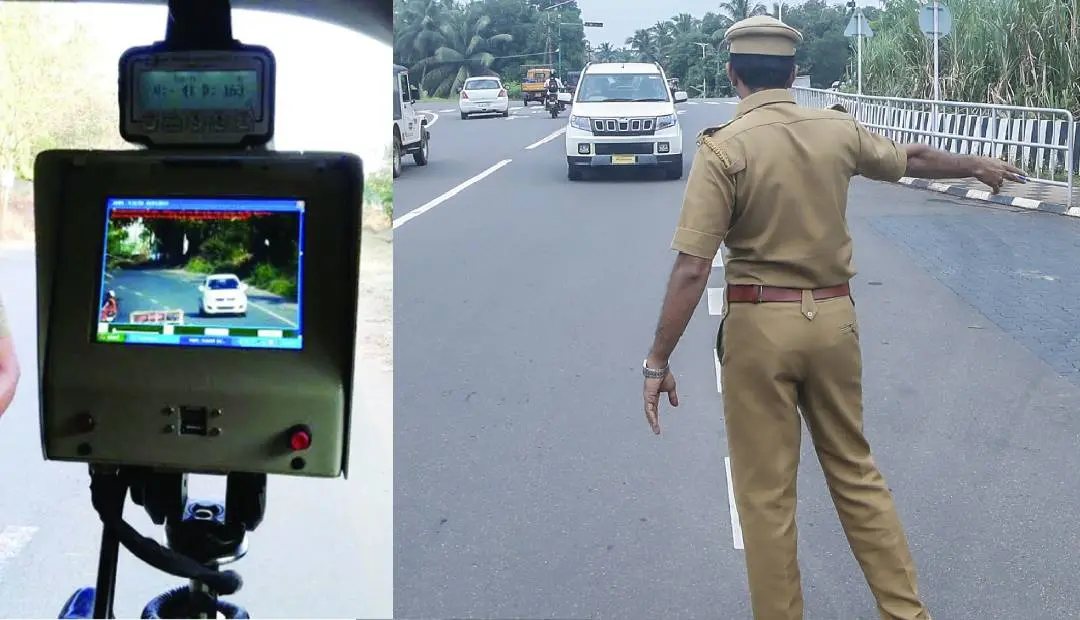
Kerala has witnessed a sharp rise in traffic violations, with Union Government data showing a significant increase in electronic challans issued across the state in recent years.
Figures presented by the Ministry of Road Transport and Highways in the Rajya Sabha show that Kerala recorded 21,35,182 e-challans in 2021. The number more than doubled to 53,02,725 in 2022 before crossing the one-crore mark in 2023.
The state recorded 1,11,00,000-plus e-challans in 2023, followed by 1,13,80,416 in 2024 and 1,00,63,802 in 2025. By late July 2026, Kerala had already seen 58,36,010 e-challans generated.
Kerala’s enforcement figures place it among the states with the highest number of traffic penalties in the country.
In 2025, only Uttar Pradesh recorded more e-challans than Kerala, issuing around 1.93 crore penalties. Kerala’s figure was higher than Delhi, which recorded 96 lakh challans, and Tamil Nadu, which issued 89 lakh.
Tamil Nadu has witnessed a decline in enforcement numbers. After recording around 1.6 crore e-challans in 2021, the state’s figure dropped to below 90 lakh in 2025.
Unpaid challans create ₹416 crore burden
While the digital enforcement system has helped authorities identify traffic violations, recovering the penalties remains a major challenge.
The total value of unpaid e-challans in Kerala stood at ₹27.57 crore in 2021. The pending amount increased sharply along with the rise in violations, reaching ₹287.01 crore in 2023.
The unpaid fines touched the highest level in 2025, when the total outstanding amount climbed to ₹416.32 crore. In the first seven months of 2026, pending penalties have already reached ₹336.52 crore.
Kerala’s unpaid traffic fines are significant, but several major states and cities have much larger pending amounts.
Delhi recorded the highest unpaid e-challan value in 2025, with pending fines worth ₹3,310 crore. Uttar Pradesh followed with outstanding penalties of ₹2,930 crore.
Other states facing major recovery challenges included Haryana, where unpaid fines stood at ₹1,390 crore, and Rajasthan, which recorded pending penalties worth ₹720 crore.
New rules give authorities more powers
To tackle delayed payments and repeated traffic violations, the Union Government introduced the Central Motor Vehicles (Third Amendment) Rules, 2026.
The rules, which came into effect in January, provide a framework for the service and adjudication of electronic notices. Authorities can now restrict vehicle-related transactions and the processing of driving licences until pending challans are cleared.
The e-challan system also maintains a digital record of violations linked to vehicles and drivers, allowing authorities to track past offences.
Five traffic offences in a year can lead to licence disqualification
The amended rules bring stricter action against repeat offenders.
Under amended Rule 21, committing five or more traffic offences within a single year can result in the disqualification of a driving licence. The provision came into force on 1 January 2026.
Although the Union Government has created the legal framework, enforcement and recovery of fines remain with state authorities. Since police and public order are state subjects, Kerala will have to implement the measures and recover pending dues.