Toddler’s death in Kerala: Netizens urge stricter car seat rules as tragedy sparks political optics
The death of 10-month-old Alin Sherin Abraham in Kerala last week left her parents grieving. Yet they chose organ donation after doctors declared the infant brain dead at a hospital in Kochi.
Her parents, Arun Abraham and Sherin Ann John, agreed to donate organs that ultimately helped four other children.
The transfer itself became a striking example of coordination. Organs were moved from Kochi to three hospitals in Thiruvananthapuram within three hours and 27 minutes. Normally, that journey can exceed seven hours during peak traffic without a police escort.
The child also became the youngest organ donor in the state. Authorities later granted a state funeral — an uncommon honour for someone so young.
Public mourning and political optics
The funeral in Pathanamthitta drew large crowds. Ministers, political figures and other public representatives attended in significant numbers. Television channels carried continuous coverage, turning a private farewell into a widely watched event.
Soon after, Chief Minister Pinarayi Vijayan visited the family. He announced plans to name a proposed state organ transplant unit after the child. The move was presented as a tribute.
Yet questions followed. With Assembly elections approaching, some observers began discussing whether the timing created political optics. Kerala’s political culture often blends public grief with public messaging, but critics said intense media attention and official announcements made the line between sympathy and political signalling harder to read.
Some comparisons resurfaced. When Cyclone Ockhi affected fishing families near the Vizhinjam port project, the Chief Minister’s delayed visit had earlier drawn criticism. The difference in urgency was noted by critics.
Online debate shifts to child car seat safety
Meanwhile, social media turned sharply towards road safety — especially child car seats.
Scientist-writer Ethiran Kathiravan criticised what he saw as celebratory messaging around the tragedy. He argued that safety awareness, including stricter child seat use, should receive equal attention.
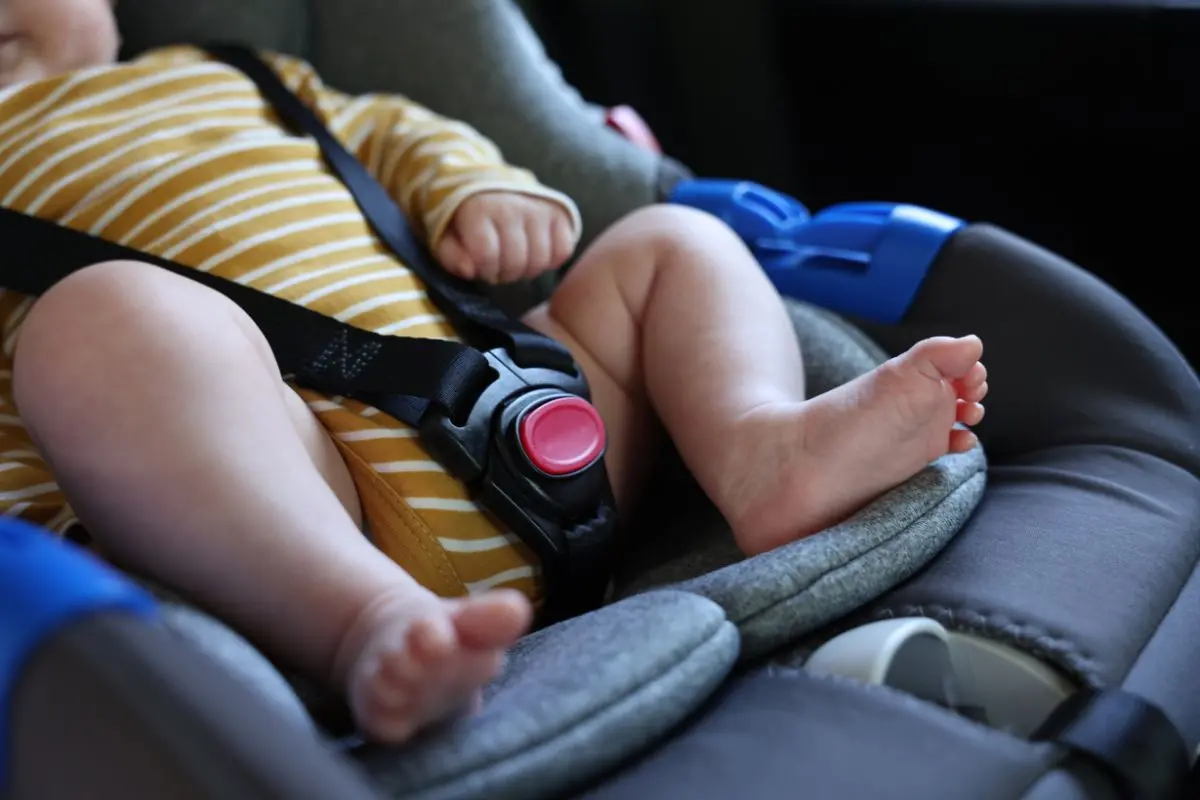
Posts questioned whether a properly installed child seat might have reduced risk. Some noted that the infant was reportedly sitting on a grandmother’s lap during the accident. They urged families to avoid holding children while travelling in cars.
Earlier tragedies were cited to underline the lesson. The death of violinist Balabhaskar’s child in a crash was recalled, reinforcing calls for safe seating. Others mentioned the decades-old accident in which actor-politician Suresh Gopi’s own young child died, a memory that still resonates online.
Many online posts stressed that child car seats are compulsory in several countries. Hospitals abroad may require proof of a car seat before a newborn is taken home. Safety guidance usually recommends rear-facing seats for children under four years, avoidance of front passenger seating where airbags deploy, and booster seats as children grow.
Some users called for stronger legal enforcement of child car seat safety habits.