'They took my photo, fingerprints for execution, but luck favoured me at last minute': Abdul Rahim
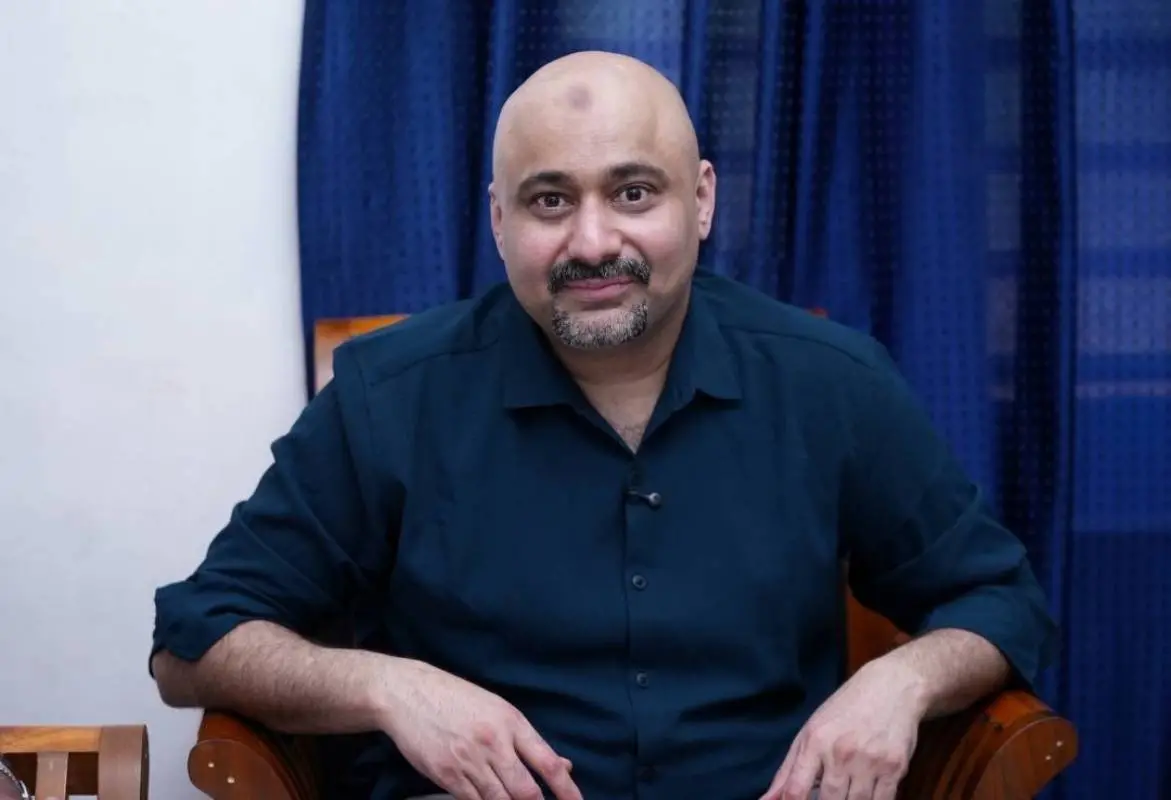
Kozhikode: Abdul Rahim from Kodampuzha spent nearly 20 years in a Saudi Arabian prison, staring down a death sentence. Ultimately, the global Malayali community brought Rahim back to life, cutting across barriers of caste and religion to pool together around ₹48 crore for his blood money. Rahim returned to his home in Kodampuzha days before to celebrate the happiest Eid of his life.
In an exclusive interview, he speaks about his ordeal.
You spent 20 years in prison. Did you ever think you would escape execution?
In the beginning, there was absolutely no hope. A glimmer of hope emerged only towards the final stages. First of all, I want to express my deepest gratitude to the Indian Embassy, Boby Chemmanur, the legal aid committees and the public who offered full cooperation. Before that final phase, returning home was just a distant dream. But now, that dream has become a reality.
Your very first trip to the Gulf was at the age of 24. What exactly happened?
Before leaving, I worked as a school bus driver here. Like everyone else, I went to Saudi Arabia in 2006 with high hopes. However, I only got to see the Gulf for 18 days. After that, I was behind bars.
I was on a house driver visa. I was driving the vehicle when the incident that led to the case occurred. My sponsor's son, Anas, was sitting right next to me. Anas and I were roughly the same age, but he had been paralysed in an earlier road accident. He was the one who passed away.
When the vehicle reached a traffic signal, he told me to jump the red light. I refused. Enraged by this, Anas spat at me. I tried to block it with my hand, and in the process, my hand accidentally struck his neck. He had previously undergone surgery on his neck. The moment my hand hit that spot, he collapsed and died.
Were you able to explain to anyone later that it was a pure accident?
After his death, he was shifted to the hospital and I was taken straight to jail. Later, the court proceedings took place through a translator. I did not know the language. The court sentenced me to death because the deceased's family demanded "an eye for an eye”, and the law favoured them. It was only much later that a path to my release opened up.
The blood money demanded was around ₹48 crore. Did you ever expect such a massive sum to be raised?
I had zero expectations. I had no idea how the funds were being raised back home or how people were responding because I did not have a mobile phone. In prison, we were only allowed occasional outgoing calls. We could call four specific numbers, and they would give us 15 minutes. It was through those brief calls that I gathered information. I began to hear bits about the fundraising when the Embassy officials contacted me. At one point, I became so completely exhausted and depressed that I stopped calling home altogether for a long time.
Twenty years is a lifetime. Were you allowed to do any work inside the prison?
There was no work like you see here. Eat, sit, lie down, sleep—that was it. Friends and well-wishers from outside would buy phone cards and recharge them under my name, which I used to call home. In the final phase, the legal aid committees helped immensely.
People I met in prison would also help a lot after their release. Even complete strangers from different districts and regions would visit the jail and offer assistance upon leaving, simply because the conditions inside were so grueling. There were Malayalis who spent six months to a year there. They too helped me after getting out.
You cannot just walk around; even when moving inside the facility at times, hands and feet would be shackled. Beyond that, you are free inside. No one receives special treatment. Everyone, regardless of their crime, is treated equally. Same uniform, same food.
Executions must have been carried out on fellow inmates during your time there. Were you aware of them?
You would know when certain people were being taken away. Before a death sentence is executed, all the paperwork is formalised. They take your photographs and fingerprints. After that, it could happen any day, at any moment. In my case, everything was finalised. The photo session and fingerprinting were completely finished. I was just waiting. It was at that absolute last minute that luck favoured me.
After spending so many years in prison, did you feel you would never escape? Did you mentally prepare for the worst?
I had lost all hope. I had adopted an attitude of "come what may”. For a long period, I didn't call home or contact anyone. It was utter despair. Sometimes I even felt angry at the people who came to help me. That didn't come from malice; it was born out of the frustration that nothing was moving forward. I would calm down after some time. An Embassy official, Yousuf Kakkanchery, visited me in jail, and it was through him that I learned about the progress. Then there were individuals like Ashraf Vengat, Siddique Thuvvur, and many others. When they all came together, the public rallied with massive support. I am deeply grateful to all of them.
Your mother came to visit you after many years, but you couldn’t see her initially. Did that break your heart?
I couldn't face her at first. The truth is, I just couldn't bear for her to see me in that condition. Just the thought of my mother seeing me in chains and shackles caused me immense grief.
Seeing me bound hand and foot would have been unbearable for her. However, the next day, Embassy officials and others intervened, spoke to the prison authorities, and managed to get some relaxation. They unclasped the handcuffs, though the leg irons remained when I met her. They arranged a 30-minute meeting for us.
You are someone whose dreams were entirely shattered. What is your plan now that you are back home?
Yes, my dreams were completely shattered. Now, I have to build new dreams. I have relatives and friends. I need to sit down with everyone, discuss, and then decide on my future plans.
A 20-year gap means Kerala has changed tremendously. What did you feel when you landed?
It was an overwhelming reception. I was actually terrified when I saw the airport. This happened entirely because of the unity of the people. To save a human life, everyone set aside caste and religion. There were people who contributed everything from a single rupee to one crore rupees. My heartfelt thanks to everyone.