Suspected amoebic meningoencephalitis was cause of death in TVM; 6 more under treatment
Thiruvananthapuram: The death of a young man in Neyyattinkara is suspected to be of amoebic meningoencephalitis, as preliminary examination revealed that the cause of death was a brain infection. Akhil, resident of Nellimoodu, passed away on July 23 while undergoing treatment at Thiruvananthapuram Medical College.
Akhil was admitted to the medical college on July 21 after experiencing severe fever and headache. Despite intensive care treatment, his condition worsened leading to his demise.
Aneesh, admitted three days ago with similar symptoms, remains in critical condition. Authorities have informed that Aneesh's sample will be sent for testing on Monday.
Five other people with similar symptoms are also receiving medical care at the same facility. All of them are reported to have bathed in a pond in Nellimoodu. The health department has temporarily closed the pond where these individuals, including the deceased, bathed. A sample from the pond has been taken and sent for testing. Locals report that more than 40 people, including children, bathe in this pond daily.
What is amoebic meningoencephalitis?
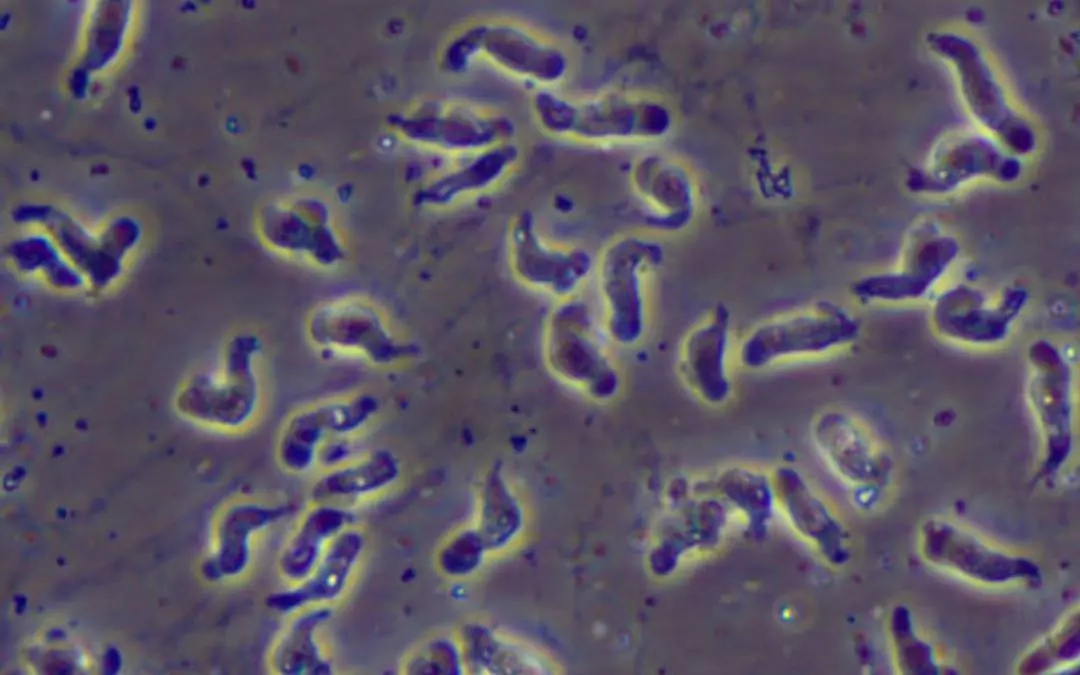
Amoebic meningoencephalitis is an extremely rare central nervous system (CNS) infection caused by a type of free-living amoeba called Naegleria fowleri, also known as ‘brain-eating amoeba’. This disease is not transmitted from human to human.
The amoeba is found in soil and in ponds, rivers, streams, unchlorinated swimming pools and stagnant water. When the body is exposed to stagnant water, the amoeba enters the human body through the nose and causes encephalitis, seriously affecting the brain.
Symptoms
Symptoms appear within one to nine days of the infection. The primary symptoms include:
- severe headache
- Fever
- Nausea and vomiting
- Neck stiffness and pain
- Symptoms like epilepsy, loss of consciousness, and memory loss can be experienced in critical situations.
The infection is diagnosed by examining the fluid around the spinal cord.
Preventive measures
- Avoid bathing in unhygienic, stagnant water.
- Avoid nasal irrigation with unclean water.
- Only enter properly chlorinated swimming pools.