Know about Kandararu Rajeevaru, Thazhamon Tantris and why they hold hereditary rights at Sabarimala?
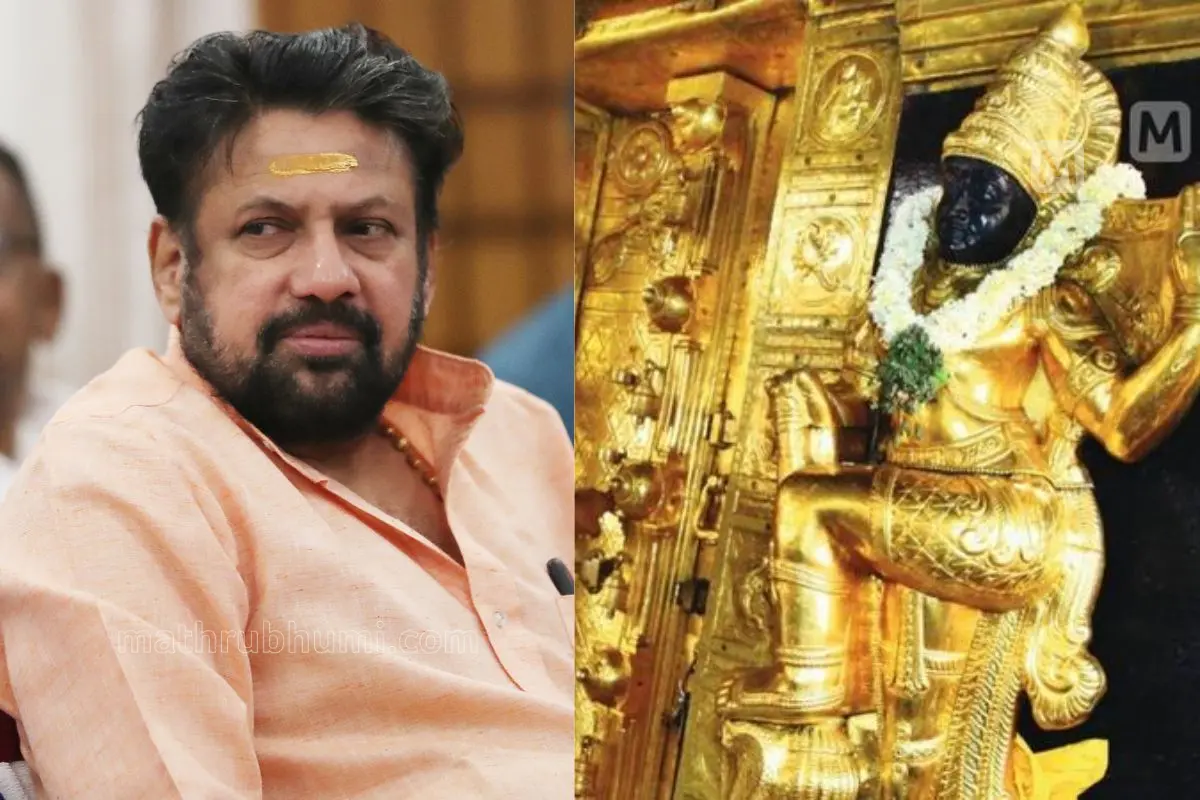
Pathanamthitta (Kerala): The Thazhamon family, the hereditary Tantris of Sabarimala, trace their origins to a centuries-old legend that links their arrival in Kerala to the diversion of the Krishna River in present-day Andhra Pradesh. According to belief, the family derived its name from stepping onto the “lower soil” of Kerala after crossing the river.
Mythology states that Parasurama, credited in Hindu tradition with shaping Kerala, brought two Brahmin scholars from Nellore — one of whom founded the Thazhamon lineage, while the other became the first member of the Tharananellur family — to establish a distinct Tantric tradition in Kerala.
Hereditary tantric rights at Sabarimala
The Tantric authority at Sabarimala Temple remains an exclusive hereditary right of the Thazhamon family. The current senior Tantris (chief priests), Kandararu Rajeevaru and Kandararu Mohanaru, are cousins. Their predecessors were Kandararu Neelakandararu, Kandararu Maheshwararu and Kandararu Krishnararu, all of whom have passed away. With Neelakandararu having only daughters, his Tantric rights concluded upon his death.
Tantri Kandararu Rajeevaru: 36 years of service at Sabarimala
Tantri Kandararu Rajeevaru is currently in his 36th year of service as Sabarimala Tantri. He first performed rituals at the Sannidhanam alongside his father, Kandararu Krishnararu, before assuming full-time responsibilities in 1990 — the same year his father passed away.
A postgraduate by qualification, Rajeevaru served in the Agriculture Department, joining Chengannur Krishi Bhavan on April 16, 1984. Despite a 22-year government career, he spent most years on extended leave due to temple responsibilities and retired on March 31, 2015. At that time, he was the Sabarimala Tantri.
Rajeevaru is credited with installing the largest number of Ayyappa temples in India and abroad, including notable consecrations in the United States and Indonesia, strengthening the global spiritual presence of Lord Ayyappa worship.