Sabarimala struggles with plastic waste: 3500 kgs burned daily, devotees urged to find alternatives
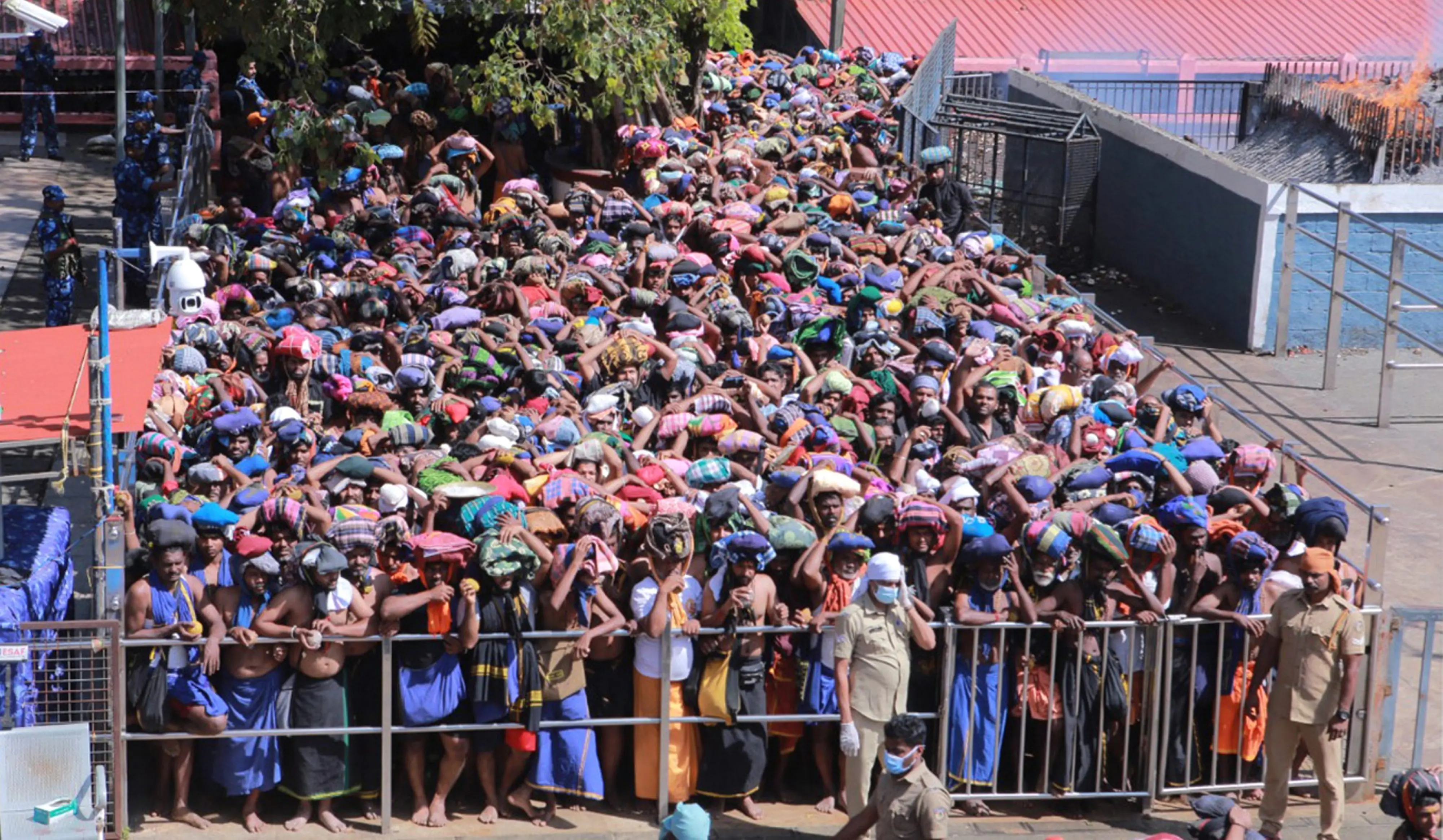
Sabarimala: The efforts by the government and the Devaswom Board to make Sabarimala a plastic-free site are not yielding the desired results. Every day, around 35 loads of garbage are removed from the Sannidhanam premises by members of the VishuddhiSena and volunteers of the Pavithram Sabarimala initiative. Shockingly, more than half of this waste consists of plastic.
The scale of the issue is evident at the Devaswom Board's waste treatment center in Pandithavalam. Here, approximately 15,400 kg of waste, including plastic, is burned in incinerators every day. The exact amount of plastic is not clear, as it is not separated from the rest of the waste. However, authorities estimate that at least half of this daily waste is plastic. The center uses three incinerators, each burning 700 kg of waste every hour, operating 22 hours a day.
During the two-month pilgrimage season, it is estimated that 9.24 lakh kilograms of waste will be processed at the center. At least 3,500 kilograms of plastic waste is burned everyday, releasing smoke into the surrounding forest environment.
However, Anoop, the environmental assistant engineer at the Sannidhanam, assures that the incinerators use a two-chamber system designed for maximum purification, reducing the impact of air pollution. He claims that the smoke released after purification does not pose a significant risk to air quality.
G Umashankar, the supervisor at the waste processing center, highlighted the increasing number of plastic bottles, including those containing rose water, camphor, and vermilion covers, arriving in large quantities. He also pointed out that greater awareness needs to be created among devotees to reduce plastic and other waste during their visits to the shrine.
The Thiruvananthapuram Devaswom Board had previously attempted to launch a publicity campaign involving celebrities to address issues such as avoiding plastic in 'Irumudikettu'. Plastic elimination measures were a key focus in the action plan developed at the start of this pilgrimage season. Banners and boards advising devotees to avoid plastic were placed in various locations, and steel bottles were provided as an alternative to plastic bottles.
However, apart from these initiatives, no significant steps were taken to effectively reduce the large amount of plastic waste reaching Sabarimala. With the conclusion of each pilgrimage season, discussions on this issue also come to an end, without any concrete or lasting solutions being implemented.