Sabari Rail stuck again: Kerala delays key land acquisition move
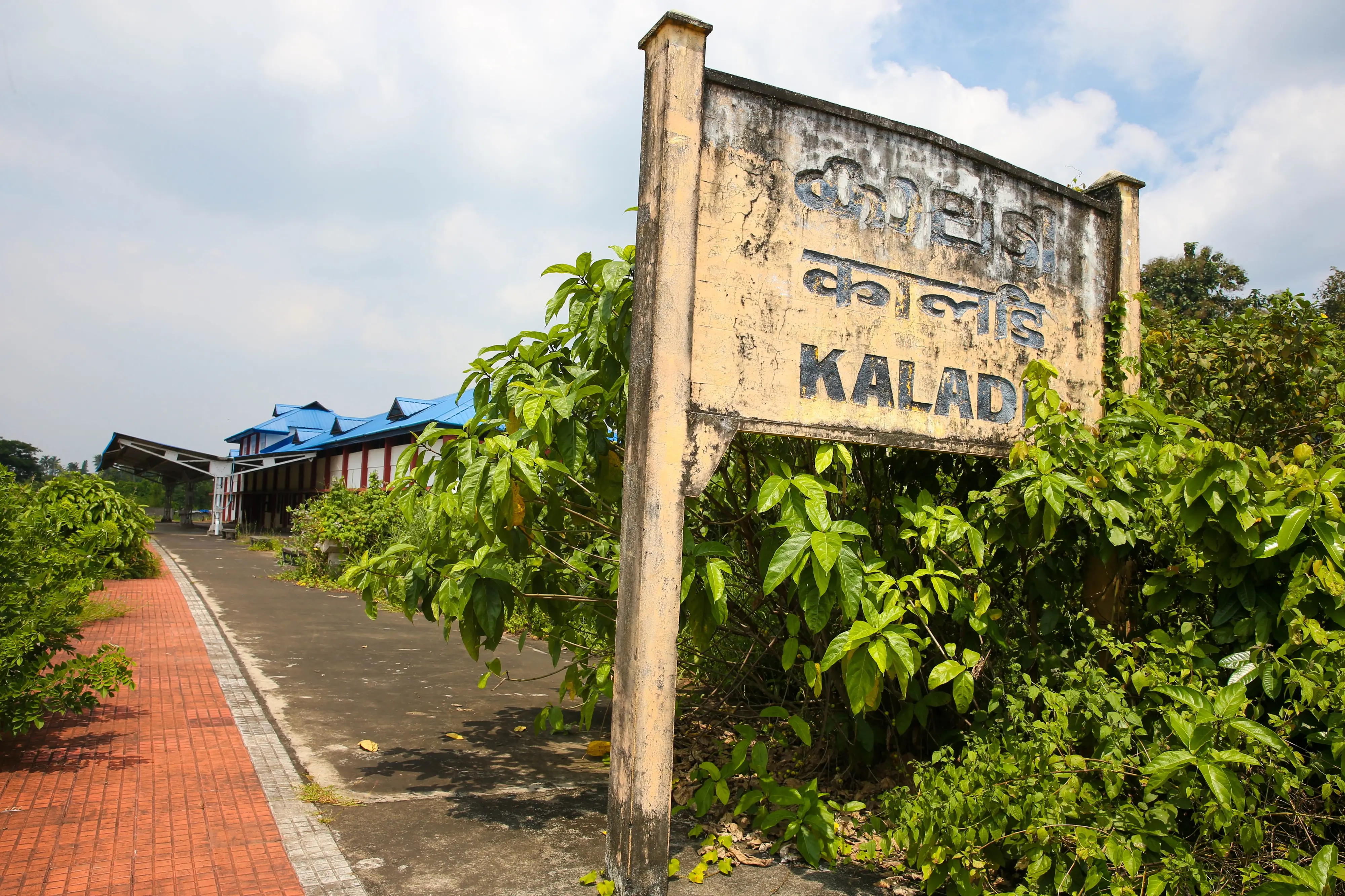
The long-delayed Sabari Rail project faces fresh uncertainty after Kerala's Revenue Department reportedly kept the land acquisition file aside, even as the Railways has approved a survey for a proposed Theni-Erumely line.
The Angamaly-Erumely Sabari railway line, planned to improve connectivity to Sabarimala and link several parts of eastern Kerala, has been delayed for years.
The project is around 111.48 km long and was originally approved in 1998. It is planned to pass through 22 towns across six districts and include 14 stations.
The Kerala government has committed to funding half of the project cost, with a significant portion of its share intended for land acquisition.
However, the Revenue Department has not proceeded with setting up the required land acquisition offices, citing policy-related issues.
Revenue Minister A P Anilkumar said the project is still being studied and that no decision has been taken. “I have to study the project. No decisions have been made yet,” Anilkumar told The New Indian Express.
Why the delay matters
The project has been pending for nearly three decades, leaving landowners along the proposed alignment in uncertainty.
Representatives of the Sabari Railway Landowners Association said properties surveyed for the project years ago have become difficult to sell or mortgage because of the proposed railway alignment.
The Federation of Sabari Railway Action Councils has criticised the government's handling of the project and described the delay as an anti-development approach.
The proposed railway is expected to improve connectivity in eastern Kerala and support agriculture, trade, industry, tourism and employment along the route.
New Theni-Erumely route moves ahead
At the same time, the Railways has permitted a survey for a separate 95-km broad-gauge line from Theni in Tamil Nadu to Erumely.
The proposed route would pass through Cumbum, Kumily, Vandiperiyar and Peermade before reaching Erumely.
The line could provide a direct railway connection for pilgrims from Theni and neighbouring Tamil Nadu districts travelling to Sabarimala.
However, the survey approval does not mean construction has been sanctioned.
The project would still require further examination, including approval from NITI Aayog and the Union Ministry of Finance, discussions with Kerala and Tamil Nadu, and environmental clearances because the proposed route passes through the Western Ghats and forest areas.
Two Sabari rail routes, different stages
The two projects are at different stages.
| Project | Length | Current status |
|---|---|---|
| Angamaly-Erumely Sabari Rail | 111.48 km | Land acquisition delayed |
| Theni-Erumely Rail | About 95 km | Survey permitted |
The Angamaly-Erumely project would primarily strengthen railway connectivity within Kerala and improve access to Sabarimala, while the proposed Theni-Erumely line would create a new rail connection between Tamil Nadu and the Sabarimala region.
What happens next?
The immediate issue for the existing Sabari Rail project is whether Kerala will move ahead with land acquisition.
The proposed Theni-Erumely route, meanwhile, must clear several stages after the survey before construction can begin.
If both projects eventually materialise, they could significantly improve railway access to Sabarimala and create additional connectivity between Tamil Nadu and Kerala.
The latest developments do not mean that the Sabari Rail project has been cancelled. The Angamaly-Erumely line remains a separate project, but its progress depends heavily on Kerala completing the land acquisition process.
The Theni-Erumely proposal is even earlier in the process: a survey is only the first step and does not guarantee construction.
For Kerala, the issue is therefore not simply about building another railway line. It also involves resolving long-pending land acquisition, protecting the interests of affected landowners and securing the state's financial commitment.
For Sabarimala pilgrims, the two proposals could eventually offer additional rail access from different directions, but neither development immediately changes the existing travel options.