Preventive methods against stray dog attacks slow-footed, no necessary action so far
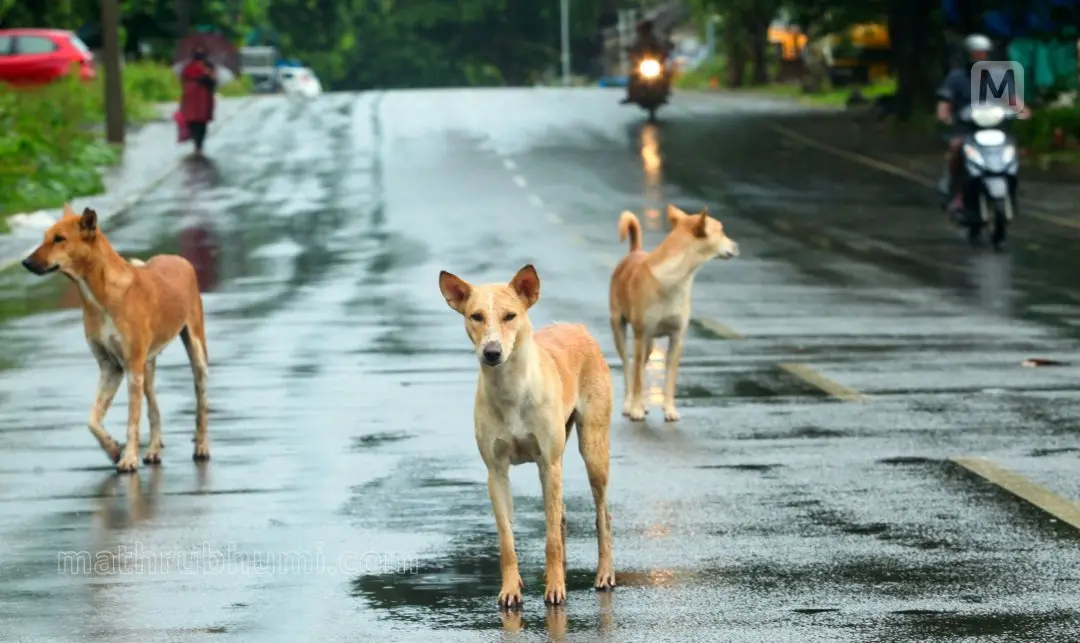
Kottayam: The preventive methods against stray dog attacks are moving at a snail’s pace. Out of the people who died of rabies this year, four had taken the rabies vaccine and one was partly vaccinated against rabies.
The primary conclusion is that the reason for such deaths is infection of the brain before the vaccine takes effect. The study by the expert committee has not arrived at a conclusion yet. Although various state departments conducted several programs to control the population of stray dogs, nothing has sprung to action so far.
The vaccines are tested at Central Drugs Laboratory (CDL) in Kasauli in Himachal Pradesh. The vials must be sent to the lab by maintaining the atmosphere at the right temperature. The cold storage used to store vaccines must be checked. The temperature needed inside these storages is 3 to 8 degree Celsius. If the electricity to this storage is cut off, the medicine will be ineffective. Kerala Medical Services Corporation (KMSCL) has not yet issued any request to the government over this matter.
96,000 people were attacked by stray dogs this year. The vaccine is not available at all government hospitals. People bitten on fingers, face and neck must be given immunoglobulin along with the vaccine. This is available in sufficient amounts only in medical colleges. If the bite is severe, the patient will be referred to a medical college. It is alleged that there are shortcomings in following the reference procedure correctly. The girl who suffered serious injuries following a stray dog attack in Pathanamthitta on August 13 was referred to Kottayam Medical College on September 2 after her condition grew worse. It is reported that the general hospital in Pathanamthitta did not carry out the reference procedure properly.
Though the Department of Animal Husbandry and local body institutions had decided to initiate the ABC (Animal Birth Control) programme, no final decisions were taken. People who are willing to capture dogs are very less. Those who come forward must be given training as per the protocol mandated by the respective department.
Centres must be made to take care of dogs after sterilization. It is not easy to implement this, considering dissent at the regional level. The sterilized dogs must be given vaccines every year. This will round off to a huge amount every year.