Place called 'Drum' and Kerala man's legal fight; LIC fined, asked to issue new policy document
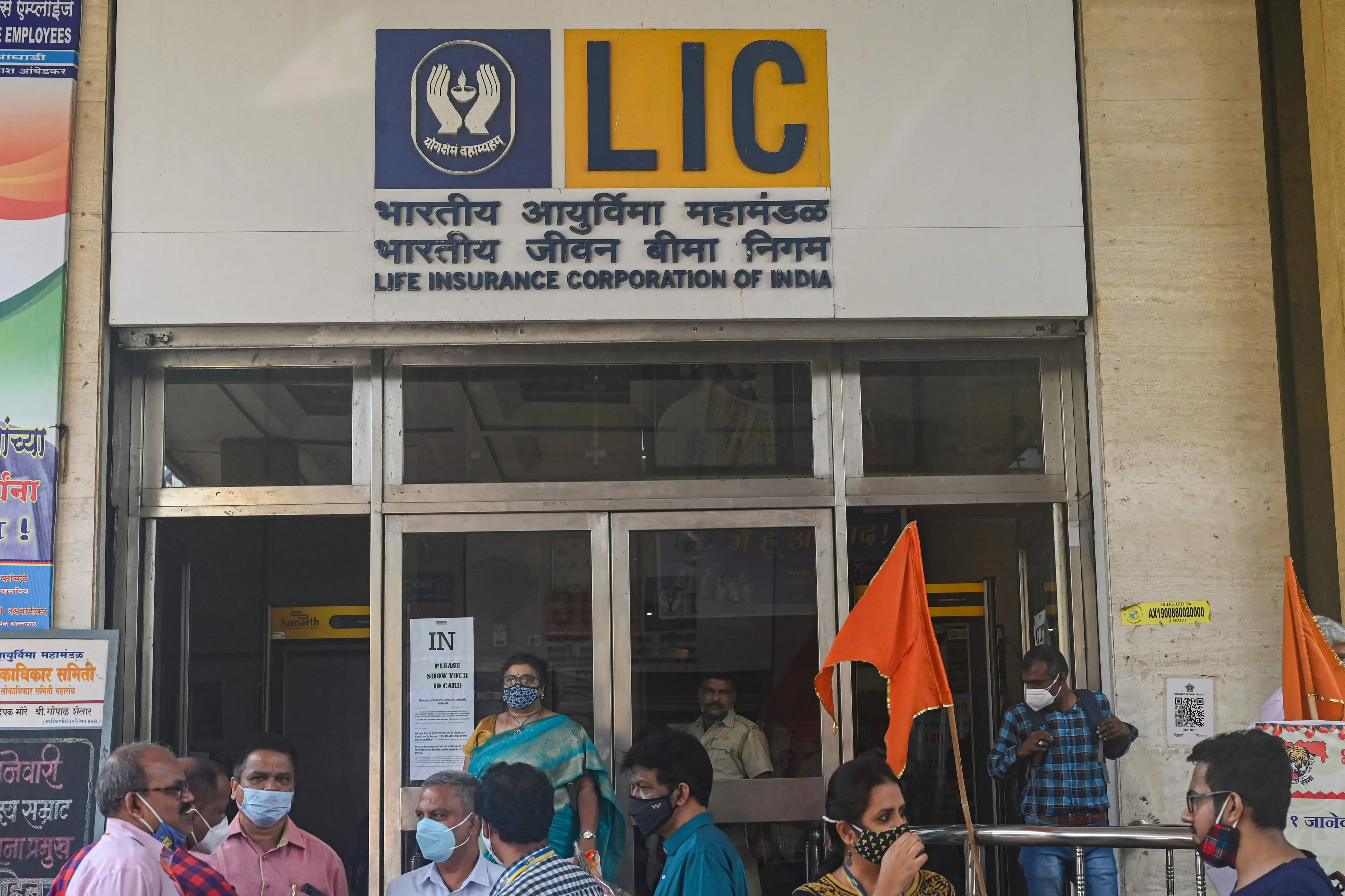
In December 2022, Limraj, a resident of Thiruvananthapuram, sought to secure his financial future by purchasing a Life Insurance Corporation of India (LIC) policy. He paid a substantial first premium of ₹1,00,000 through an acquaintance who was an insurance agent.
However, his attempt to do the right thing for his family soon turned into a frustrating ordeal. Upon receiving his first premium receipt, Limraj noticed that his name had been recorded incorrectly as 'Limraj Rajendran Sadasivan' and, in his address, it was 'Drum' instead of 'Trivandrum' (Thiruvananthapuram).
Bureaucratic hurdles and a cold shoulder
Hoping the mistakes would be fixed, Limraj waited for the official policy bond. When it arrived on January 11, 2023, the errors remained.
He immediately contacted the LIC agent, who claimed he had no authority to issue a new document and told Limraj to speak with the Insurance Development Officer concerned. When he sought help there, Limraj was reportedly met with a cold shoulder and an arrogant attitude.
LIC refused to provide a clean, new document, suggesting instead that it could manually correct the errors on the existing bond and apply a stamp. Limraj found this unacceptable and, after exhausting every other channel in search of a proactive response, decided to launch a legal battle to protect his dignity as a consumer.
Commission slams 'deficiency in service'
The District Consumer Disputes Redressal Commission in Thiruvananthapuram eventually heard the case filed by Limraj. LIC argued that its internal rules prevented it from issuing a second (fresh) policy bond and claimed Limraj was being "adamant".
However, the Commission noted that LIC failed to produce any evidence of a rule prohibiting it from issuing a fresh document when errors were pointed out early.
The Commission found that the company had a "cooling-off" period and the authority to issue a new policy if mistakes were identified within 15 days of receipt. By failing to provide a correct document and forcing the customer to accept a manual correction, the Commission ruled that LIC was guilty of a "deficiency in service".
A victory for the common man
In its order dated April 24, 2026, the Commission directed LIC to issue a fresh, error-free policy document to Limraj.
To address the "mental agony" he suffered during the years-long dispute, the Commission ordered LIC to pay him ₹5,000 in compensation, along with ₹3,000 towards legal costs. If the payment is not made within one month, LIC must pay 9% annual interest until the amount is settled.
Reflecting on the verdict, Limraj told Mathrubhumi English that the struggle was never about the money but about the principle of being heard.
"I noticed the mistakes as soon as I received the first premium receipt and immediately informed the agent and the Development Officer. But I was asked to wait for the policy document, and no effort was made to correct the errors at that stage," he said.
He said the episode also raised questions about internal oversight.
"If there had been proper checks on the details entered by staff, these mistakes could have been spotted and corrected much earlier," he said.
"No person should have to endure such a long and frustrating ordeal due to corporate arrogance," he added.
"I felt it was necessary. These massive corporations that manage crores of rupees yet behave as if their individual customers are of no consequence should be held accountable," he said.
LIC insider cites internal procedures
The Commission's findings contrast with the position described by a retired LIC Development Officer, who spoke on condition of anonymity.
"Once a policy document is issued, a new policy cannot be issued for clerical corrections," the former officer said.
"The corrections can be made in the software system and manual correction can be made in the physical document, and then signed by the authorising authority," he added.
Referring to the cooling-off period mentioned in the Commission's order, he said that the provision relates to policy conditions rather than clerical errors in documentation.
He also noted that, technically, proposal forms are required to be filled out by the policyholder in the presence of the agent, although agents may sometimes complete forms on behalf of customers.
Industry views differ on correction process
Insurance professionals outside LIC said practices vary across insurers.
Dony Varghese, who works in sales for a private insurance company, said policyholders should notify insurers as soon as they discover any errors, whether by email, through a branch visit or by submitting a service request.
"There is no general Insurance Regulatory and Development Authority rule that says the insurer must issue a completely new policy bond," he said.
"Whether a fresh policy bond is issued depends on the company's internal process," he added.
According to Varghese, some insurers may choose to issue endorsement letters or updated digital copies rather than make manual corrections to physical documents.
He said agents are responsible for ensuring that information entered into proposal forms is accurate and should assist customers in submitting correction requests when necessary.
"The Development Officer or supervisor should help ensure that correction requests are handled without delay and make sure proper service standards are maintained," he added.