Why are migrant workers not returning to Perumbavoor? Industries face growing crisis
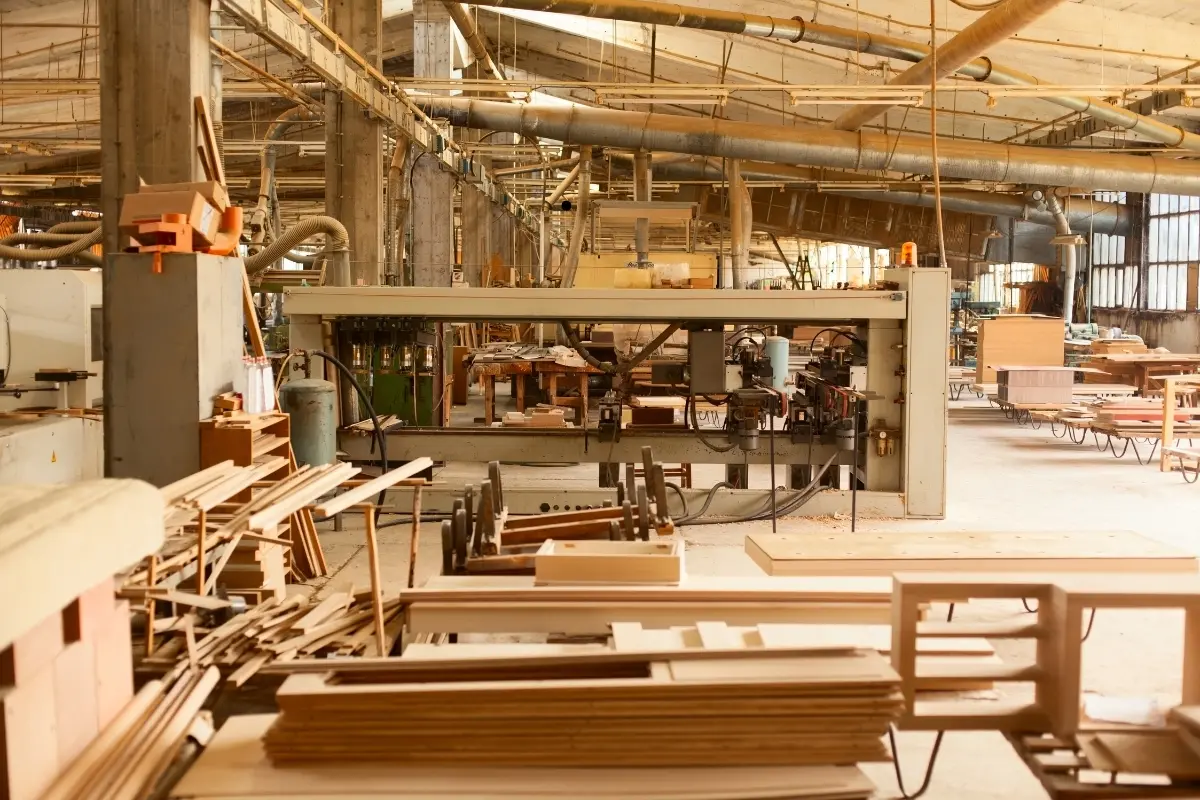
The hum of machines that once defined Perumbavoor's industrial landscape has largely faded. A shortage of migrant workers, many of whom left for their home states months ago, has left factories struggling, businesses operating at reduced capacity and employers searching for solutions.
For years, Perumbavoor in Kerala's Ernakulam district has been known as one of the state's largest industrial hubs, with thousands of migrant workers forming the backbone of its economy.
Today, however, many plywood factories that once operated around the clock are witnessing a very different reality. Stacks of unused timber, idle machinery and partially staffed production units have become common sights as industries grapple with a severe labour shortage.
The crisis began when large numbers of migrant workers travelled to their home states, particularly West Bengal and Assam, for election-related activities and other personal commitments. Months later, a significant portion of them have yet to return.
Plywood industry among the worst affected
The impact is being felt most strongly in Perumbavoor's plywood manufacturing sector, one of the town's key industries.
According to industry representatives, hundreds of plywood units have either shut down temporarily or significantly reduced operations because of the shortage of workers. Some factories continue functioning with limited staff, but only on a single shift basis.
Business owners say such operations are often not financially viable but are being maintained to keep factories running until workers return.
The labour shortage has also disrupted sectors linked to plywood manufacturing, including sawmills and raw material processing units.
Impact spreads beyond factories
The consequences of the worker shortage extend well beyond manufacturing.
Construction projects, hotels, restaurants, retail establishments and small businesses across Perumbavoor have all reported difficulties due to the reduced workforce. Many sectors that rely heavily on migrant labour are struggling to maintain normal operations.
Industry leaders warn that the local economy could face prolonged disruption if workers do not return soon.
Why are workers not returning?
Several factors appear to be contributing to the delayed return of migrant workers.
According to representatives of migrant welfare organisations, many workers travelled home this year due to concerns related to voter list updates and local political developments in their home states.
The agricultural season in Assam also encouraged many workers to remain with their families and participate in farming activities. In addition, Eid celebrations led many workers to extend their stay.
Special trains and tourist bus services made travel to their home states easier, resulting in larger-than-usual numbers leaving Kerala.
Travel difficulties add to the crisis
While many workers intend to return, transportation challenges have become a major obstacle.
Industry representatives and migrant welfare groups say that return travel options are limited compared to the special arrangements that facilitated their departure. Many workers are reportedly struggling to secure train tickets back to Kerala, delaying their return further.
The shortage of available transport has intensified concerns among employers who are already facing mounting production losses.
Industries explore alternative labour sources
In response to the ongoing shortage, some employers have begun exploring alternative recruitment options.
Among the possibilities being considered is hiring workers from countries such as Nepal and other regions where labour availability remains relatively stable.
However, industry leaders acknowledge that replacing experienced workers is not easy. Many migrant workers who have spent years in Perumbavoor possess specialised skills and familiarity with local industries.
The vital role of migrant workers in Kerala's economy
The situation has once again highlighted the critical role migrant workers play in Kerala's economy.
From manufacturing and construction to hospitality and retail, migrant labour has become essential to the functioning of many sectors. The current slowdown demonstrates how deeply industries depend on this workforce.
Economists and industry experts have repeatedly pointed out that migrant workers contribute significantly to productivity and economic growth across the state.
Hope for a gradual return
Despite the ongoing challenges, employers remain optimistic that the situation will improve in the coming weeks.
Many expect a substantial number of workers to return once agricultural commitments, festival-related travel and transportation difficulties ease. Until then, industries across Perumbavoor are likely to continue operating below capacity.
The migrant worker shortage has exposed the extent to which Perumbavoor's industries depend on labour from other states. What began as a temporary departure for elections, farming activities and festivals has evolved into a significant economic challenge, affecting factories, construction projects and businesses across the town. While employers hope workers will return soon, the crisis has sparked broader discussions about labour availability, workforce planning and the future sustainability of Kerala's industrial sector.