Padma Awards 2026: Meet Devaki Amma, the 92-year-old who turned barren land into a forest
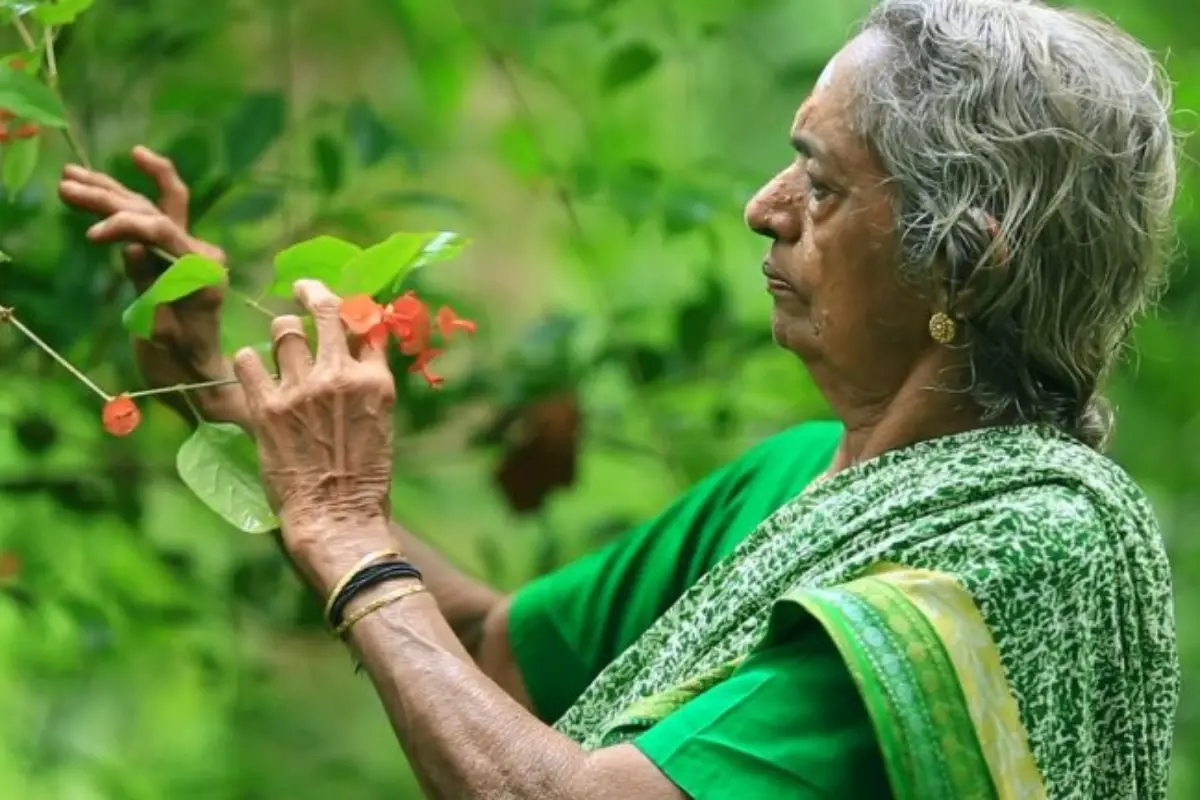
Devaki Amma from Alappuzha in Kerala has emerged as one of the first names noticed in the Padma Awards 2026 list, recognised for her decades-long contribution to environmental conservation through the creation of a man-made forest known as Tapovanam.
Now 92, Devaki Amma single-handedly transformed a five-acre barren plot at her ancestral Kollaykkal home into a thriving green ecosystem. Over more than four decades, she planted and nurtured every sapling by hand, creating a dense forest that today supports a wide variety of trees, medicinal plants, birds, fish and insects. Tapovanam stands out as a rare example of a self-sustaining forest in a region dominated by backwaters, paddy fields and sandy soil.
A life shaped by hardship
Devaki Amma’s journey began after a severe accident around 44 years ago that left her physically disabled and emotionally shattered. The incident ended her ability to continue paddy farming and other agricultural work that had sustained her family. After years of struggle and rehabilitation, during which she had to relearn how to walk, she chose not to surrender to despair.
Unable to resume farming, she turned her attention to the abandoned land around her home. What began as an effort to cope with personal loss gradually became a lifelong mission to restore nature.
One sapling at a time
Devaki Amma planted her first sapling without any clear plan or target. Watching the plant grow gave her a renewed sense of purpose. She adopted a simple routine of planting at least one sapling each day, slowly transforming the sandy, open land into a thick forest.
Over time, the eastern and western yards of the ancestral property changed completely. Tall trees, dense shrubs and undergrowth reduced the temperature, improved soil quality and created a cool microclimate. For more than 40 years, she continued planting, watering and protecting the forest, treating each plant with the care of a parent.
A hand-grown forest ecosystem
Tapovanam today contains a wide range of plant species, including medicinal herbs, fig varieties, Indian blackberry, jackfruit, mango and wild berries. Rare and notable plants such as the kamandalu or calabash tree, traditionally used by sages, and the peacock plant with feather-like leaves, also thrive there. The Buddha tree (Ficus religiosa) forms part of the canopy.
At the centre of the forest is a small pond that supports fish such as catfish and snakehead murrel. Birds, including fish-eating species and birds of prey like eagles, regularly visit the area. The forest now functions as a complete ecosystem despite its proximity to the backwaters and the sea.
A free medicinal garden for the community
Tapovanam also serves as a free medicinal plant resource for local residents. People of all ages visit the forest to collect plants for traditional remedies. Devaki Amma does not sell any plants and believes that nature’s gifts should not be commercialised. Though visitors sometimes insist on offering money, she accepts it only when they persist.
Her greatest satisfaction, she says, comes from seeing people recover using the medicinal plants grown in the forest.
A living classroom
The forest has evolved into an informal learning space for schoolchildren, college students, researchers and nature enthusiasts. Visitors walk along narrow forest paths to study plant species, bird life and ecological balance. Devaki Amma’s simple message to all who visit is consistent: everyone should plant at least one tree and help it survive.
Despite lacking formal scientific training or institutional support, her work has had lasting environmental and social impact.
A symbol of individual action
Devaki Amma never sought recognition during her 44 years of work. Her contribution demonstrates how consistent individual effort can restore degraded land and benefit entire communities. Tapovanam provides clean air, medicinal resources, biodiversity and a peaceful environment for the surrounding area.
As environmental challenges intensify across the country, her story stands as a reminder that meaningful change can begin with small, sustained actions. Devaki Amma’s inclusion in the Padma Awards 2026 highlights the importance of recognising grassroots environmental warriors whose work often remains outside the spotlight.