Over 60 unidentified bodies cremated yearly in TVM; most are men above 50
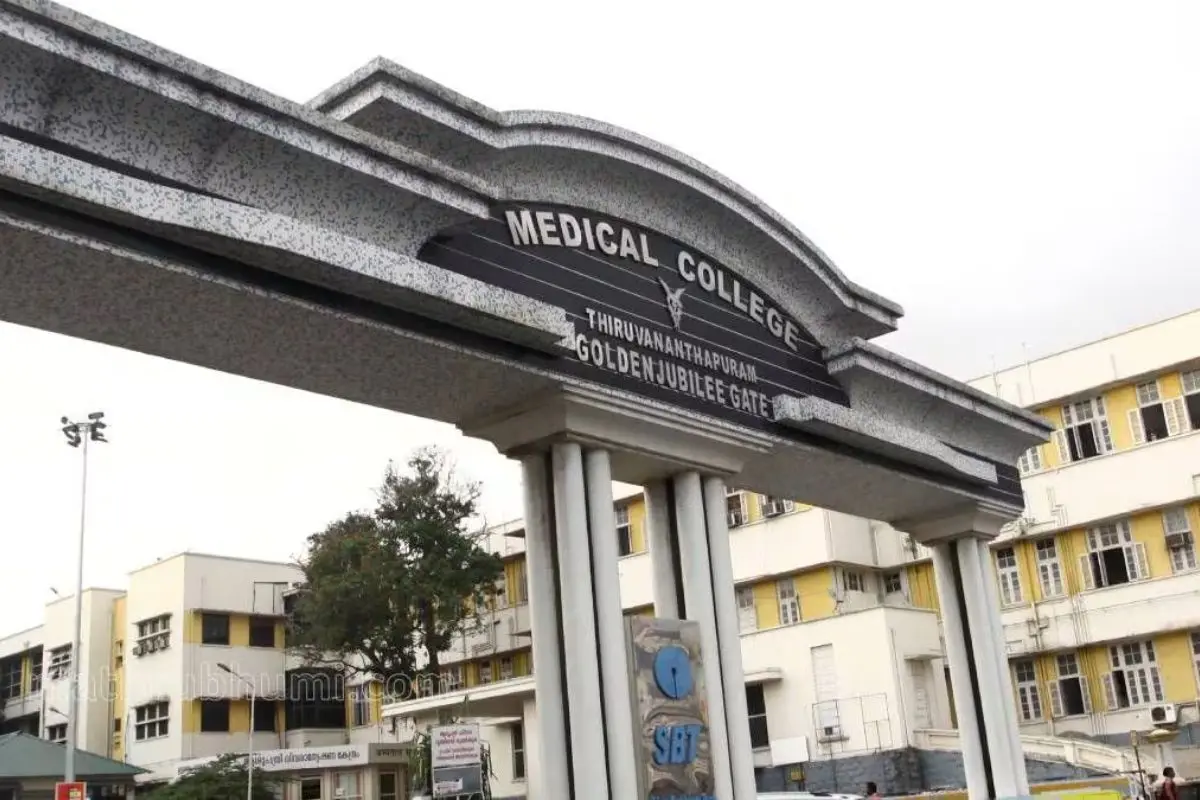
Thiruvananthapuram: More than sixty unidentified bodies are cremated every year in capital city of Kerala, after remaining unclaimed for weeks in the mortuary of the Government Medical College. From May 2024 to May 2025, 63 bodies were received under the label 'unknown'. These include victims of road accidents, people who collapsed in public, those brought in by the police who later died during treatment, and individuals found dead on the streets.
Currently, around 20 such bodies are kept in the mortuary. Once police procedures are completed and no relatives come forward, the bodies are classified as unidentified and are cremated at Shanthikavadam. Cremations typically involve transporting one to four bodies at a time. The majority of the unclaimed bodies are men over the age of 50.
The mortuary has 48 refrigerated chambers, maintaining temperatures between 4 and 8 degrees celsius. Unidentified bodies are stored for periods ranging from three weeks to a month and a half. Since decomposition tends to begin after two weeks, cremation is usually carried out as soon as procedural requirements are completed.
Post-mortems are conducted in all accident-related or suspicious deaths. Most such cases are reported from the districts of Thiruvananthapuram and Kollam, with occasional cases from the neighbouring Kanyakumari district.
Photo records and DNA for identification
Police maintain detailed records of every unidentified body. Photographs, clothing, and any possessions found with the deceased are preserved. Additionally, DNA samples are collected in case relatives come forward later. These samples allow authorities to confirm identities through DNA testing, especially when visual identification fails.
Bodies used for medical study
Some unclaimed bodies are used for academic purposes by the Anatomy Department at the Medical College. If the body is intact and not severely damaged, and if legal procedures are completed, it may be handed over for educational use.
Public inquiries
According to Dr TP Jayaprakash, Resident Medical Officer at the Medical College, very few people come forward to enquire about missing or unidentified persons. Efforts are made to complete the identification process promptly; however, delays from the police or other departments can lead to bodies being kept in the mortuary for extended periods. The process becomes especially challenging when patients are brought in from rural or remote areas.