Abundance and joy entwined: Kerala’s 10-day Onam festival
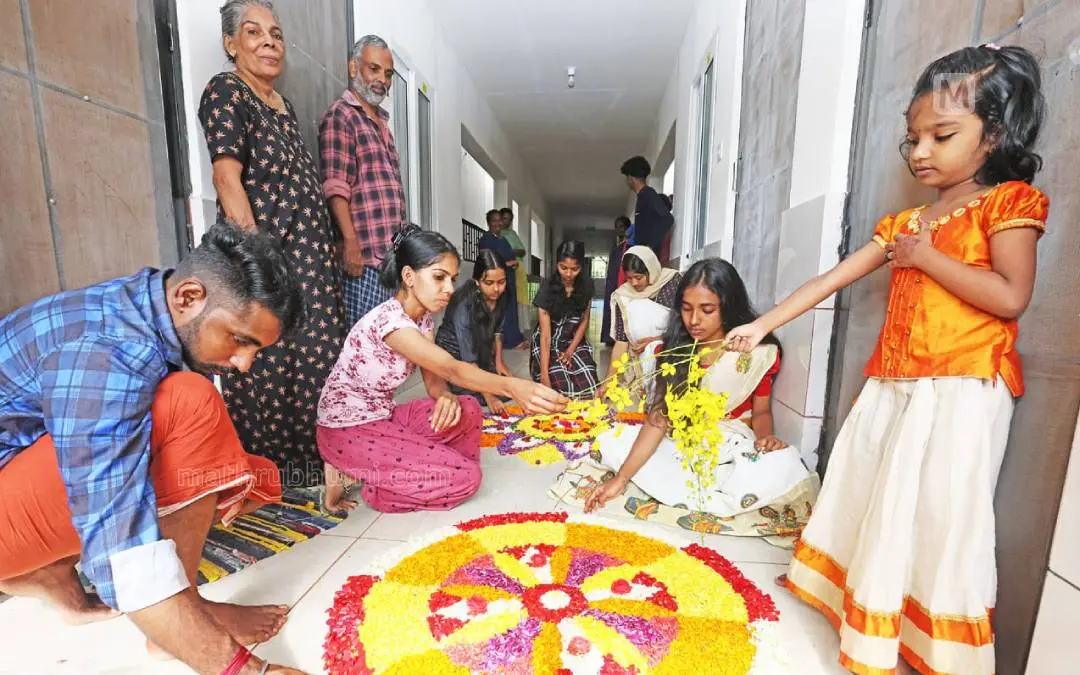
With Onam, South India's vibrant harvest festival, just around the corner, excitement is building in Kerala and beyond. As preparation gets underway for the festivities, have you ever wondered where the word ‘Onam’ comes from?
It is believed that the origin of the word ‘Onam’ is attributed to the Sanskrit term ‘Shravana’, which represents the 27 nakshatras or celestial constellations. The prefix ‘thiru’ is a revered suffix associated with Lord Vishnu, as seen in ‘Thirupathi’. According to legend, Thiruvonam is the Nakshatra of Lord Vishnu, who in his fifth avatar Vamana, a poor Brahmin dwarf, pressed the righteous and kind-hearted demon King Mahabali into the underworld. However, during the auspicious occasion of Thiruvonam, King Mahabali is said to return to Kerala, coinciding with the harvest season symbolizing the triumph of goodness and the renewal of life.
The Onam festival is a 10-day celebration that begins with the Atham Nakshatra and culminates in the Thiruvonam Nakshatra, according to the Malayalam calendar. Each day of Onam holds unique significance and importance showcasing the rich cultural heritage and traditions of Kerala.
10 days of joyful harmony and abundance
On the first day of Onam, Atham, households welcome the spirit of King Mahabali with the creation of intricate flower arrangements known as athapoo or pookalam, skillfully crafted by the maidens of the house. As the festival progresses, the pookalam is embellished with additional flowers and designs symbolizing the growth and prosperity of the season. The selection of the flowers is crucial with traditional blooms like thumba, chethi, tulasi being the preferred choices for their significance. On this auspicious day, people begin by taking early morning baths and offering prayers at nearby temples, setting a sacred tone for the festival and the year ahead.
The Onam celebrations gain momentum as the days unfold, with each passing day bringing new excitement and activities. From day 2 till day 8, that is, chithira, chothi, vishakam, anizham, thriketta, moolam, and pooradam, the pookalam evolves, growing in size and complexity, showing the creativity and skills of the maidens who craft them. Meanwhile, households are abuzz with the preparation of traditional Onam delicacies like banana chips, achappam, sharkaravaratti. New clothes are purchased and markets offer attractive discounts adding to the festive fervor. The state comes alive with cultural events, traditional games and social gatherings, strengthening bonds and fostering a sense of unity. As families reunite and friends come together, the infectious joy and happiness of Onam become increasingly evident, illuminating the faces of Keralites everywhere.
On the ninth day of Onam, uthradam, is a day of great enthusiasm and activity known as ‘uthrada pachil’, the last-minute preparation and hustle and bustle for the final day. It’s a day of frenzied shopping as people rush to complete their purchases for the next day’s Sadhya and Onam celebrations. Homes are thoroughly cleaned and decorated, and the atmosphere is electric with anticipation. Some call uthradam ‘onnaam onam’ which means the first Onam, signifying its importance as the eve of the main day. Markets and shops are packed and the shopping spree continues late into the night, as everyone gears up for the joyous celebration to come.
The tenth and final day of Onam, thiruvonam, is the climax of the festival, when the spirit of King Mahabali is said to descend upon the earth. It’s a day of great jubilation, marked by early morning rituals, new clothes and temple visits. The most magnificent pookalam is created, featuring clay structures representing Lord Vishnu and Mahabali. The elderly distribute ‘onakaineettam’- new clothes and gifts – to the younger generation, as blessings. The day is filled with an array of cultural events, games, and dances, showcasing Kerala’s diverse heritage. The highlight of the day is onasadhya, a grand vegetarian feast served on a banana leaf, comprising a minimum of 12-13 essential dishes, which can extend up to 24. While the celebrations continue with avittam and chathayam, thiruvonam marks the conclusion of the main festivities. Onam remains a unique and special celebration, transcending boundaries of caste, creed, and religion, bringing people together in a shared spirit of joy and harmony.
(compiled by Megha M)