No mutton or luxury food for prisoners; AI to monitor jails, says Kerala Prisons chief
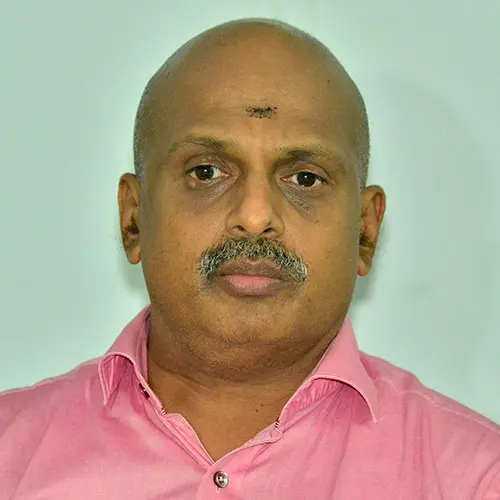
Kochi, Kerala: Kerala will introduce changes to the security systems and food arrangements in its prisons, Prison Chief DGP S Sreejith has said.
He stated that the focus will be on providing prisoners with nutritious food aimed at protecting their health rather than luxury meals, while modern technologies such as artificial intelligence will be increasingly used for prison security.
In an exclusive interview with Mathrubhumi, Sreejith said the department was planning to introduce a diet focused on prisoners’ health instead of providing expensive food.
“Of the 869 inmates at the Thiruvananthapuram Central Jail, 265 are undergoing treatment for mental health conditions, 15 for HIV and 18 for illnesses including tuberculosis. As many as 88 inmates need daily medication and could face serious health risks if they miss it. Providing them with nutritious food recommended by doctors could also help reduce the government’s medical expenditure,” Sreejith said.
He added that red meat such as mutton would be avoided because it is expensive and can contribute to health problems and obesity. The department is instead looking at healthier and more economical dietary options.
The prison department also plans to make greater use of modern technology to strengthen security. Drone surveillance has already been tested at the Viyyur prison.
Sreejith said officials had been asked to introduce an AI-based system that could identify critical incidents rather than requiring personnel to monitor CCTV footage continuously for 24 hours.
If the system detects weapons such as knives inside the prison or identifies large gatherings, it would immediately alert officials. By leaving security-related monitoring to technology, officers could devote more of their time to helping prisoners undergo psychological and behavioural transformation, he said.
Sreejith also spoke about his experience during a recent visit to South Africa. There, facilities housing offenders are referred to as “management areas”, while prison officials are called “correctional service officers”.
He said the state government had been asked to consider renaming prisons in Kerala. The Chief Minister is currently examining the proposal.
Rather than simply keeping inmates confined, prisons should evolve into “correctional institutions” that help regulate their emotions and shape their behaviour, Sreejith said.
He proposed that every person entering prison should be assessed comprehensively within the first week, followed by a structured plan determining how they should spend each day until the end of their sentence.
Such correctional institutions can play a major role in helping prisoners return to society as responsible and productive citizens after completing their sentences, he said.