NITI Aayog report ranks Kerala No. 1 for women’s participation in Gram Sabhas
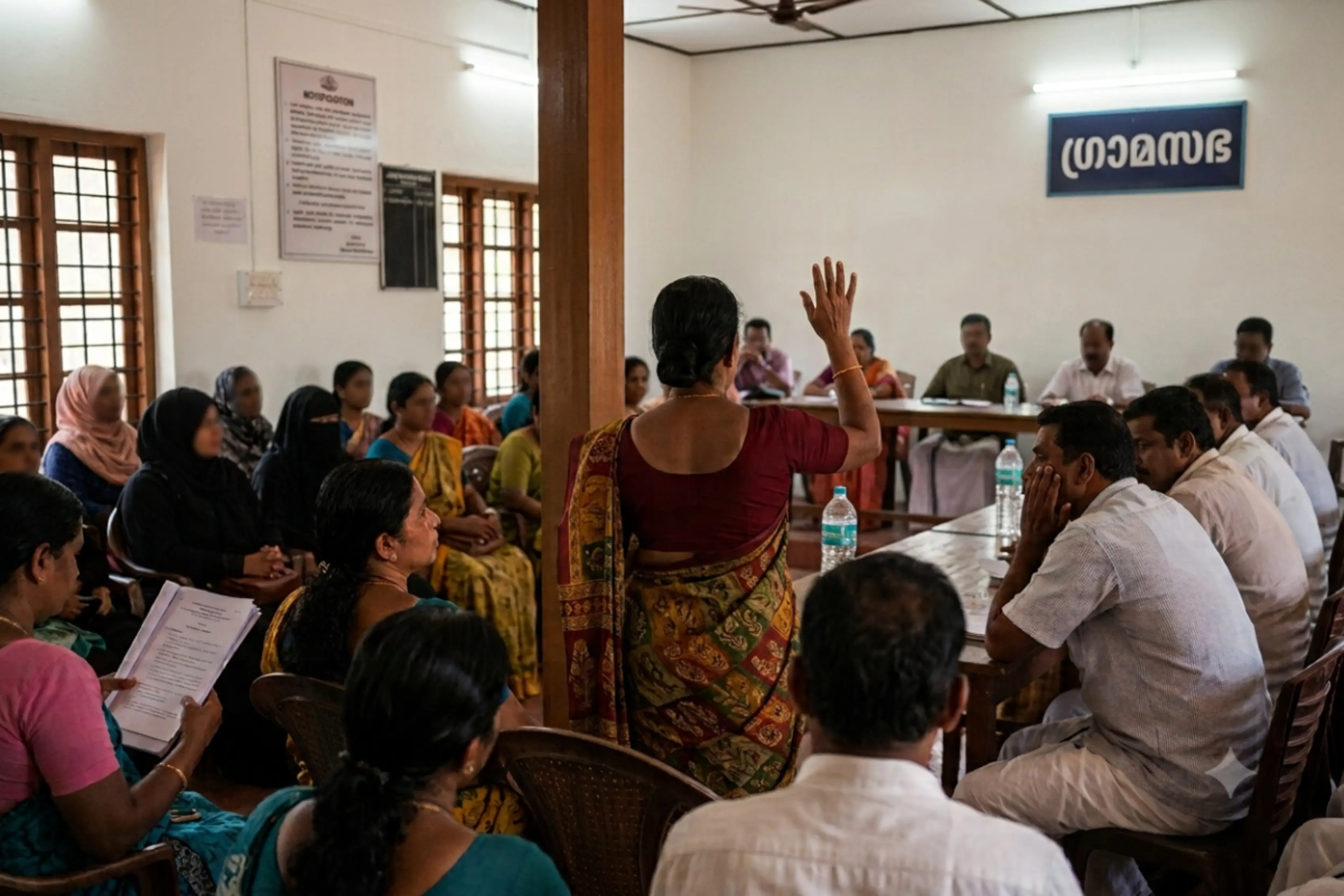
New Delhi: Kerala has emerged as the state with the highest women’s participation in Gram Sabhas in India.
The findings were published in a report released by NITI Aayog on Tuesday, based on research conducted by the Rural Development and Panchayati Raj Institute across 213 districts and 400 gram panchayats.
The study was conducted to examine the decline in public participation in local self-governance bodies.
The study highlights that Kerala recorded the highest women and Dalit participation at 98.7%, followed by Maharashtra at 97.7% and Odisha at 97.5%, placing them among the top-performing states in this category.
At the lower end, Rajasthan reported 57.3% participation, while Jammu and Kashmir recorded the lowest at 48.7%. Gujarat and Uttar Pradesh registered participation rates of 81% and 88.8%, respectively.
The report also states that Kerala leads in several other indicators, including the presence of Scheduled Caste and Scheduled Tribe members in Gram Sabhas, the number of women-friendly panchayats, and the representation of women as panchayat presidents.
Around 60% of respondents said they attended Gram Sabhas in person, while 66.67% reported actively expressing their opinions during meetings. However, the report noted that youth participation remains relatively low and identified it as an area requiring greater focus in the future.
It also found that 55.5% of respondents cited livelihood and time constraints as the main reasons for low participation in Gram Sabhas. The report recommended that successful models from states like Kerala be adopted more widely across the country to strengthen grassroots democratic participation.
Key concerns to be addressed
The report also highlights concerns raised by respondents in Kerala regarding political bias in Gram Sabha functioning. Despite high participation levels, many respondents said that a few individuals tend to dominate key discussions, limiting equal opportunity for others to express their views.
It further noted issues such as lack of clarity in communicating Gram Sabha decisions to the public, alleged bias in beneficiary selection, political interference, and delays in addressing complaints. These remain key concerns that need to be addressed to improve transparency and inclusiveness at the grassroots level, the report said.