Nipah virus continues to haunt Kerala; two deaths in Malappuram in last two months
Malappuram: Kerala is grappling with a serious health crisis as the Nipah virus continues to claim lives. The latest fatality was reported on September 9, with a 24-year-old man from Wandoor Naduvattom succumbing to the virus. This brings the total number of deaths in the state to 22.
The first Nipah cases in Kerala were reported in Kozhikode in May 2018, resulting in the deaths of 17 people, including healthcare workers. Most recently, on July 20 this year, a ninth-grade student from Pandikkad Chembrasseri in Malappuram became another victim.
Following the initial outbreak in 2018, there were instances of recovery, including a patient in Ernakulam in 2019. However, the virus claimed the life of a 13-year-old boy in Choolur, Kozhikode, in 2021. In 2023, Kozhikode saw six more confirmed cases, with two fatalities reported from Maruthonkara and Ayyancheri.
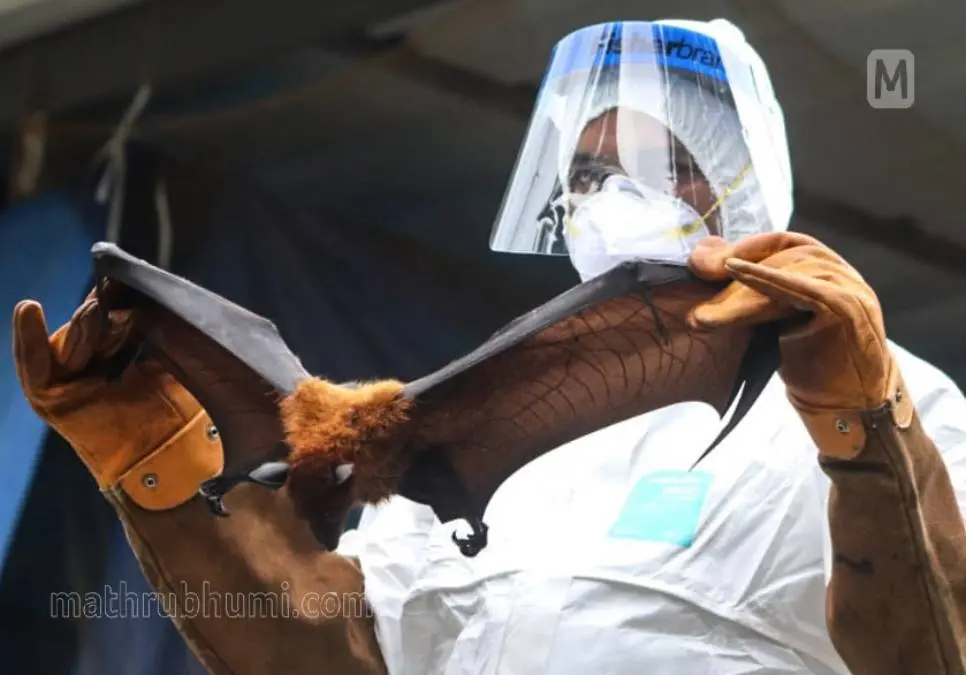
Despite the high number of deaths, authorities have struggled to pinpoint the source of the virus. Each time a new case emerges, initial vigilance is followed by a tendency to return to normalcy, a pattern that has hindered effective long-term management. Investigations into the outbreaks have detected antibodies for Nipah in fruit bats, but no conclusive source has been identified beyond this preliminary link.
On a positive note, advancements in treatment have been noted. Seven patients, including a nine-year-old, have survived the virus in 2023, indicating improved management and recovery strategies.
In contrast to Kerala, regions like West Bengal, Malaysia, and Bangladesh have successfully identified the virus's source. The inability to do so in Kerala, despite its advanced healthcare system, highlights a significant gap in the state's public health response. Experts stress the urgent need to identify the virus's origin to effectively control and prevent future outbreaks. The presence of antibodies in fruit bats alone does not confirm them as the sole carriers, and further research is needed to definitively address this issue.