Nipah virus in Kozhikode; patient to be shifted to Medical College Hospital
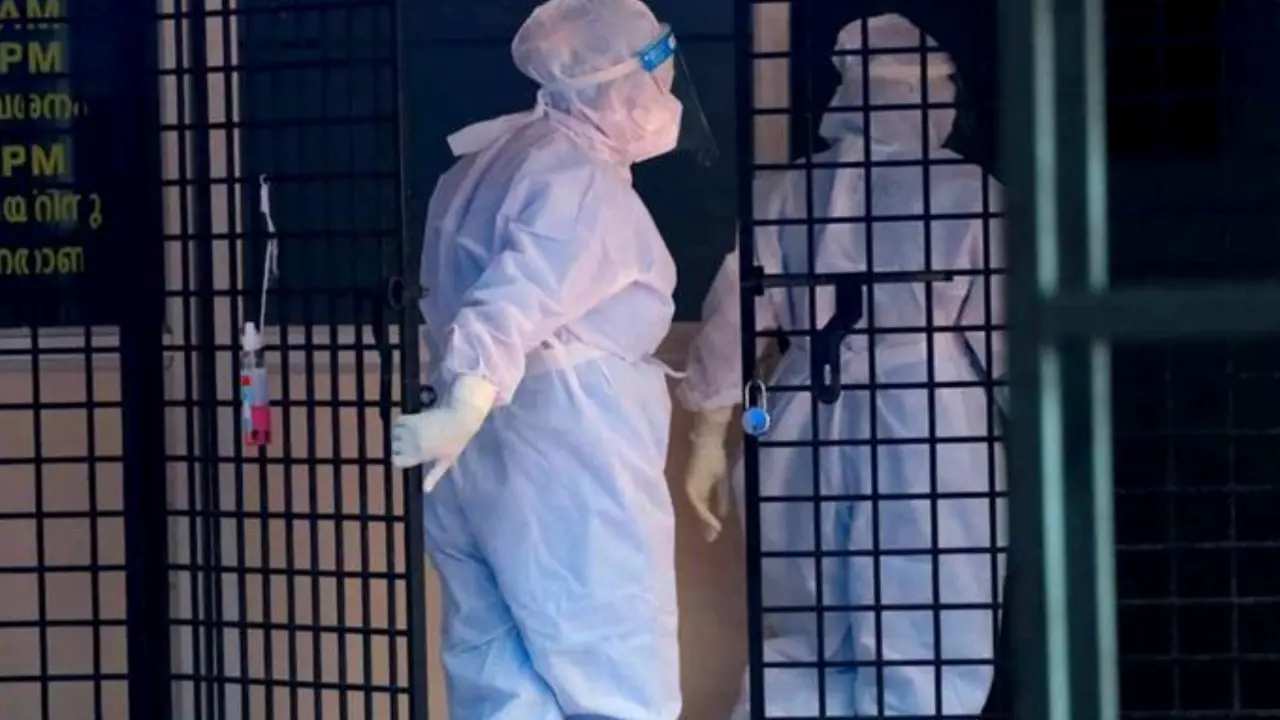
Kozhikode, Kerala: A case of Nipah virus infection has been confirmed in Kozhikode district, health officials said on Wednesday.
The patient, a 43-year-old native of Feroke, tested positive for the virus and is set to be shifted to the Government Medical College Hospital for specialised treatment and monitoring.
Health authorities have initiated precautionary measures, including contact tracing and surveillance, as per established Nipah response protocols.
The patient was admitted to the hospital a week ago with a high fever. His condition later deteriorated after he began showing additional symptoms associated with the infection.
Officials said the patient, who is currently undergoing treatment at a private hospital in Kozhikode, remains in critical condition.
Although the infection was detected in preliminary tests, samples have been sent to the National Institute of Virology (NIV) in Pune for final confirmation.
Kerala has witnessed multiple outbreaks of the Nipah virus over the years. The state's first confirmed Nipah case was reported in May 2018, with laboratory confirmation by the National Institute of Virology (NIV), Pune.
Between 2018 and 2024, Nipah outbreaks in Kerala claimed the lives of 21 infected individuals, prompting authorities to strengthen surveillance, contact tracing, and containment measures whenever fresh cases are detected.
Nipah Virus
Nipah virus is a rare but highly dangerous zoonotic disease that can spread from animals to humans and, in some cases, directly between people. Fruit bats, commonly known as flying foxes, are the natural hosts of the virus. Humans can become infected through contact with infected animals, contaminated food, or close contact with an infected person.
Symptoms usually appear between three and 14 days after infection and may include fever, headache, cough, breathing difficulties, vomiting, and confusion. In severe cases, the virus can affect the brain, causing encephalitis (brain inflammation), which can lead to coma or death. The fatality rate of Nipah virus infections is estimated to range from 40 to 75 per cent.