New plant species discovered in Western Ghats by researchers from Kerala
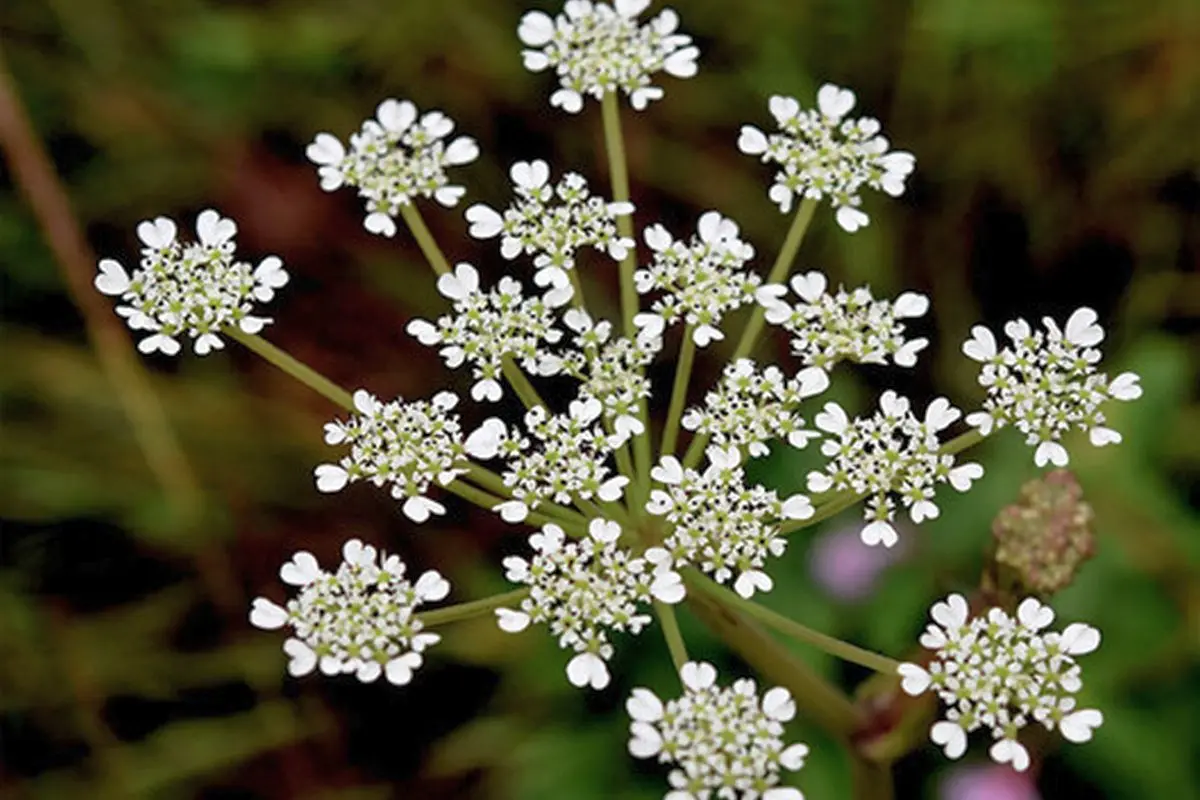
Researchers from Kozhikode, Kerala have identified a new plant species in the high-altitude grasslands of Eravikulam National Park in the Idukki and Ernakulam districts, adding to the rich botanical diversity of India's Western Ghats. The species, named Tetrataenium Paikadae, belongs to the Apiaceae family, which includes common plants like carrots and coriander, and has been documented in the Nordic Journal of Botany -- a peer-reviewed journal focused on plant taxonomy, evolution, conservation, ecology, and biogeography.
The discovery was made by a team from St Joseph's College (Autonomous), Devagiri, Kozhikode, led by research scholar C Rekha under the guidance of Dr KM Manudev. The team also included MK Prasanth and TP Aswindas from the college's Department of Botany.
The New Species: Tetrataenium Paikadae
Tetrataenium Paikadae is a perennial herb in the Apiaceae family, growing 30-80 cm tall with thick, hairy stems and oval-shaped leaves. It thrives in marshy grasslands of Eravikulam National Park at 1,000-2,500 meters elevation, producing white flowers from July to September and fruits from October to November.
Its key distinguishing features lie in fruit structure: unique oil ducts differ in number and arrangement from relatives like T ceylanicum and T rigens, as detailed in the Nordic Journal of Botany description. These carpological traits, combined with molecular phylogeny, confirm its status as a distinct species endemic to the Western Ghats.
Species named after educator
The species has been named in honor of the late Rev Father Joseph Paika, who served as Principal and Manager of St Joseph's College, Devagiri. "His great contributions to the field of education were considered when making this decision," researcher C Rekha told ETV Bharat.
The plant grows in the marshy grasslands at elevations between 1,000 and 2,500 meters above sea level. It stands between 30 and 80 centimeters tall, features thick hairy stems, oval-shaped leaves, and bears white flowers during the monsoon season from July to September. The plant produces fruit between October and November.
Western Ghats yields second species discovery
What distinguishes Tetrataenium paikadae from other species in its genus is the unique structure and number of oil ducts in its fruits, according to the researchers. With this discovery, the Tetrataenium genus now includes 25 known species worldwide.
This marks the second species from the carrot family that the same research team has discovered in Eravikulam National Park.
In October 2025, they identified Tetrataenium manilalianum, named after Prof KS Manilal, the founder president of the Indian Association for Angiosperm Taxonomy.
The research was funded by the Council of Scientific and Industrial Research and the Anusandhan National Research Foundation. C Rekha, a native of Chalode near Mattannur in Kannur, noted that field expeditions across the Western Ghats from Gujarat to Kerala enriched her research experience.