New Kerala Guv Arlekar's arrival raises concerns over university disputes, political interventions
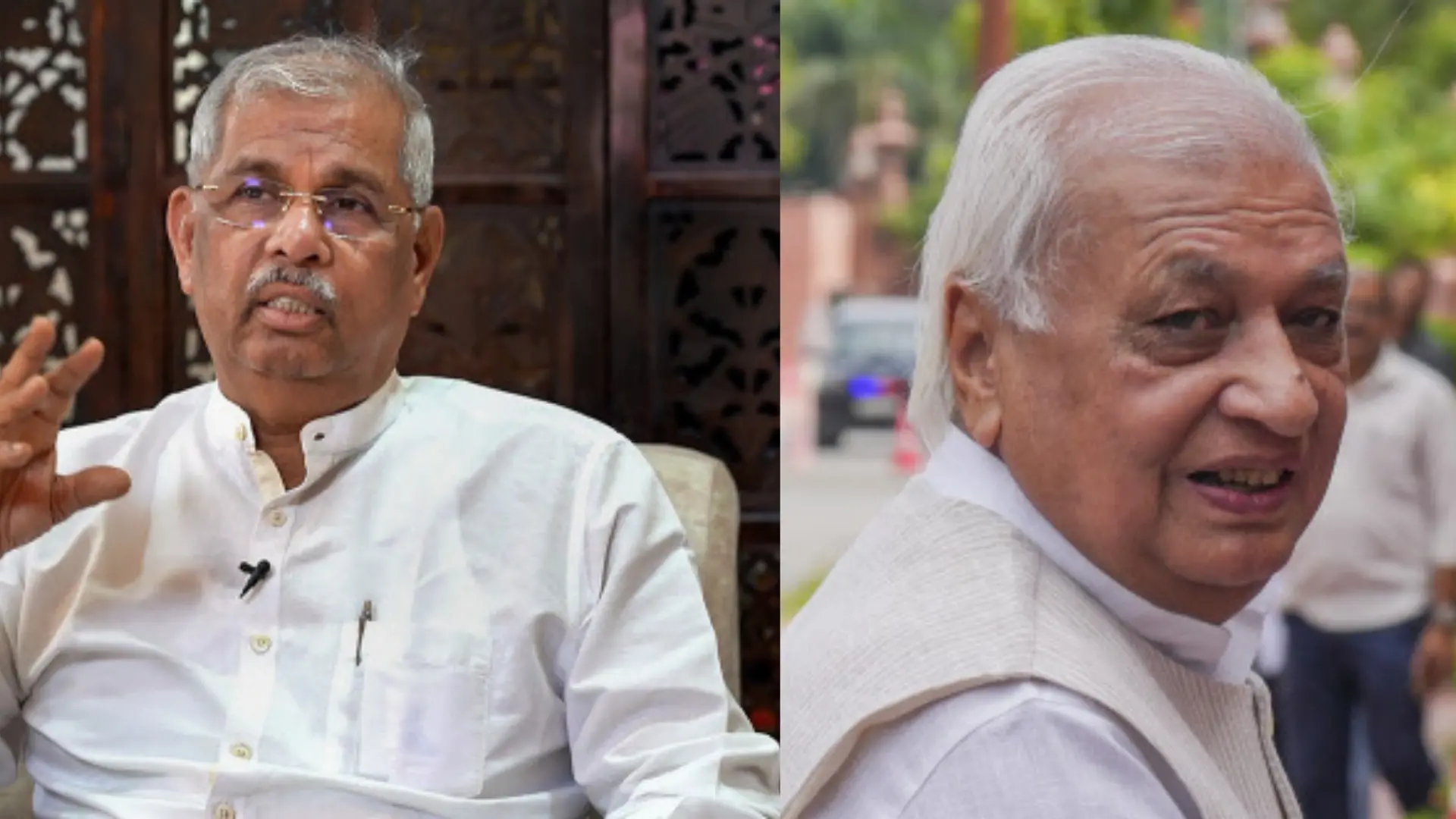
Thiruvananthapuram: The appointment of Rajendra Arlekar as the new Governor of Kerala has stirred apprehensions within the state government, especially given his history of conflicts over university issues during his tenure as Governor of Bihar. Initially, the government appeared unperturbed by his arrival. However, his political affiliations and prior controversies have raised concerns about potential clashes.
Arlekar, a staunch member of the Bharatiya Janata Party (BJP) with close ties to the Rashtriya Swayamsevak Sangh (RSS), is seen as a politically influential figure. His predecessor, Arif Muhammad Khan, was also perceived as sympathetic to the BJP, but Arlekar’s deeper connections with the party and his reputation as a 'staunch politician' have heightened political tensions in Kerala.
A native of Goa, Arlekar has been associated with the BJP since its inception in 1980 and has held prominent positions, including BJP general secretary in Goa. His controversial remarks, such as suggesting that the British left India owing to the armed resistance rather than the Satyagraha movement, have added to his polarising image. His advocacy for mandatory military service as a prerequisite for government jobs has also drawn criticism.
Arlekar’s appointment comes at a time when university governance in Kerala remains a contentious issue between the state and the Central Government. His track record of opposing state policies on university matters in Bihar has further fueled concerns about potential conflicts.
The Kerala Legislative Assembly is set to convene in the third week of January, with the announcement of the government’s policy statement marking a critical juncture. The policy is expected to address issues such as the state's financial crisis and autonomy in university governance. Arlekar’s response to these matters will be closely watched, as it will shape his relationship with the state government.
Key appointments, including the ones of retired judges V Shircy and Ashok Menon as Lokayukta deputy commissioners and Risha T Gopal to the Public Service Commission (PSC) member are also under scrutiny. Arlekar’s stance on these appointments, particularly given his predecessor’s refusal to approve similar recommendations, will provide insight into his approach to governance.