Modified Thar used in Kerala flood rescue fined; here's what happened
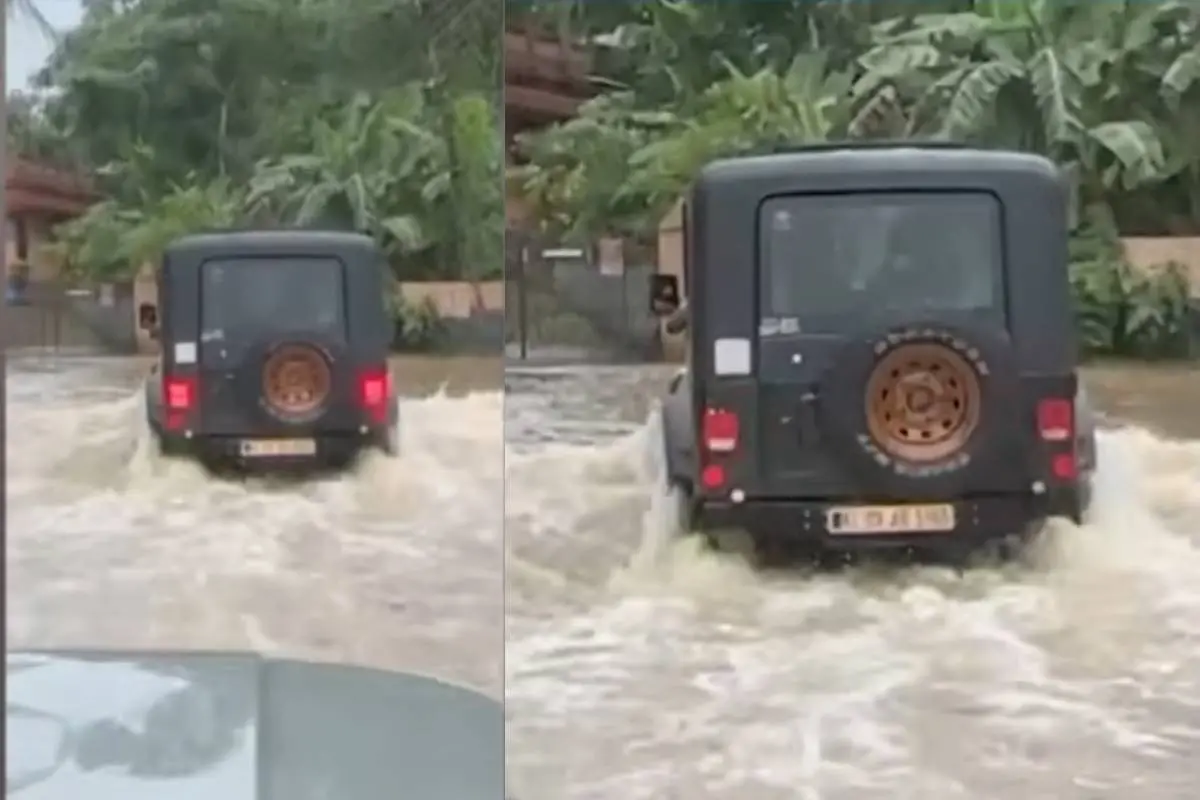
Pathanamthitta: A Motor Vehicles Department (MVD) official in Adoor has been suspended after imposing a fine on a modified vehicle that had been used for flood-relief operations in Aranmula this week.
The official, Laiju of the Adoor MVD squad, had intercepted the modified Mahindra Thar during a routine inspection on the Adoor bypass. The vehicle had been actively involved in relief work in flood-hit areas of Aranmula.
The MVD initially imposed a ₹7,000 fine for fitting luxury lights and for not having a valid pollution certificate. After the owner produced the pollution certificate, the fine was reduced to ₹5,250.
The action triggered protests. Youth Congress workers, led by MLA Abin Varghese, collected the fine amount and handed it to the vehicle owner before the penalty was subsequently settled.
The transport department has now taken action against the MVD official.
Officials defend the inspection
The suspension has also prompted questions among officials, who argue that penalising an officer for carrying out a routine enforcement duty is an anomaly.
Officials point out that the vehicle did not carry any board or other visible indication at the time of inspection to show that it was being used for flood-relief work. They also maintain that driving a vehicle without a pollution certificate cannot be justified.
The central issue, however, is whether special consideration should have been shown to a vehicle involved in rescue and relief operations during a disaster.
Vehicle enthusiasts see a wider problem
The incident has revived a long-running debate among Kerala's off-road and modified-vehicle enthusiasts over the state's rules governing such vehicles.
For years, the community has argued that strict regulations fail to recognise the role modified vehicles can play during emergencies. The issue also featured in the UDF's election campaign, with flexibility in laws governing vehicle modifications among its promises.
After coming to power, Chief Minister V D Satheesan said safe modifications, excluding dangerous alterations, would be considered. In the first phase, permitted modifications were categorised, but the move disappointed enthusiasts expecting wider relaxation.
Modified vehicles and disaster relief
The argument is rooted in Kerala's experience with disasters, particularly the 2018 floods and the Wayanad landslides.
During such emergencies, conventional vehicles were often unable to negotiate deep water, mud and broken terrain. Modified off-road vehicles, including those fitted with roof-height air intakes known as snorkels, were used to reach stranded people and transport victims.
In hilly districts such as Idukki and Pathanamthitta, enthusiasts say their vehicles have helped reach isolated areas when conventional transport could not.
Two sides of the same debate
Vehicle owners argue that authorities seek their assistance during emergencies, including recovering vehicles and supporting rescue operations, but enforce modification rules once normal conditions return.
They are not seeking an absence of regulation. Instead, enthusiasts want a distinction between unsafe modifications and equipment that improves a vehicle's capability or safety, including winches, improved brakes and power steering.
They have also proposed specialised fitness tests under which unsafe modifications could be removed while essential rescue equipment is retained.
The latest suspension has brought that unresolved tension between enforcement officials and vehicle enthusiasts back into focus.