Malayali researcher cracks genetic mystery behind cancer cell growth
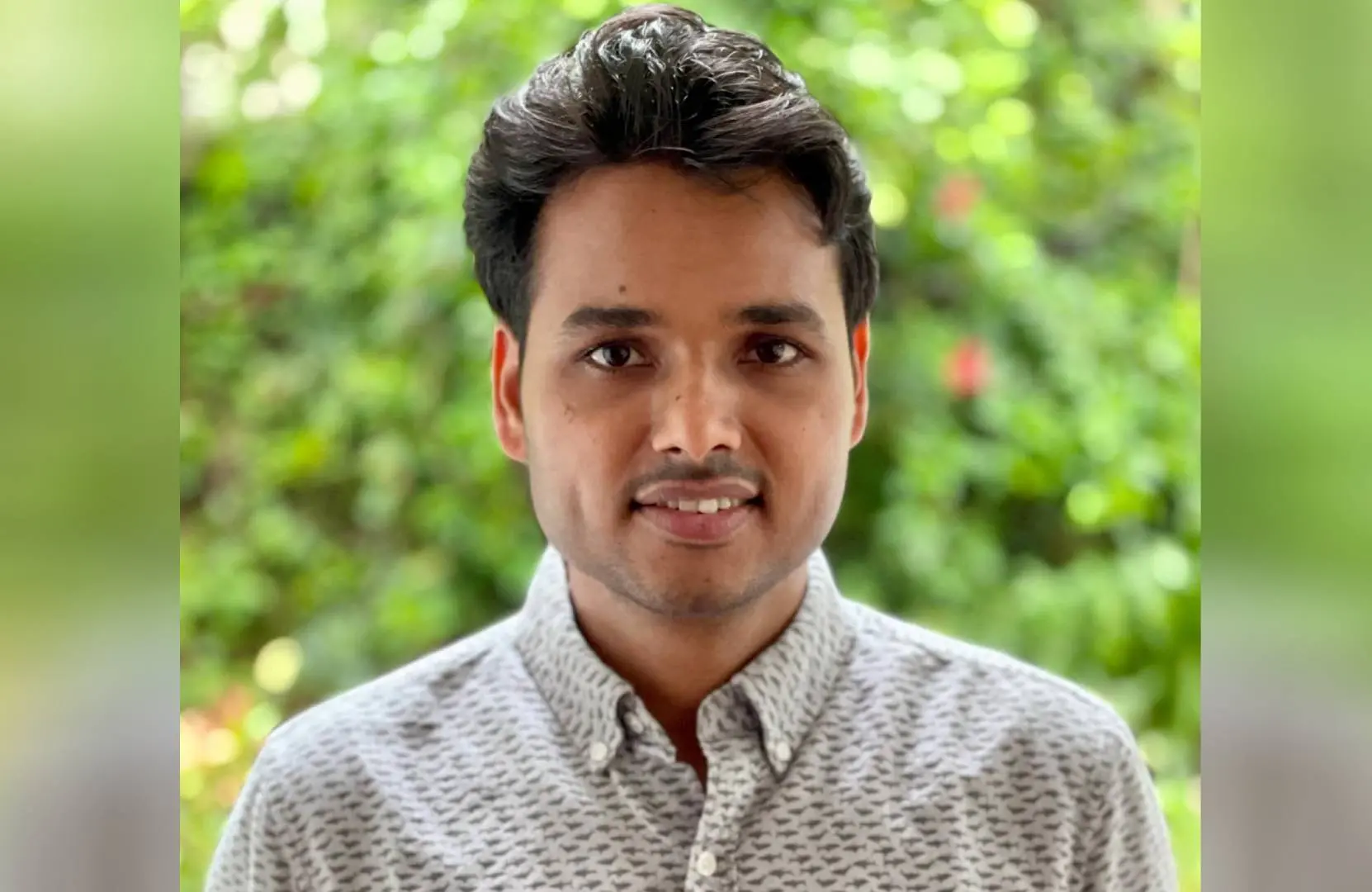
Kozhikode: According to the laws of nature, cells with severe DNA damage are not supposed to proliferate. However, cancer cells defy this rule and continue to multiply despite genetic defects. A groundbreaking discovery by a Malayali researcher and his team has now unravelled the genetic secret behind this anomaly.
This crucial finding, which could pave the way for more effective cancer treatments in the future, was led by Dr Robin Sebastian, a native of Paisakari in Kannur. The research has been published in the latest issue of the prestigious journal ‘Nature’.
Dr Robin, a scientist at the National Institutes of Health (NIH) in Washington, DC, dedicated five years to this study, collaborating with 16 other researchers to decode the genetic enigma of cancer.
Cracking the code of DNA damage and cancer growth
DNA (Deoxyribonucleic Acid) is the master molecule that stores the complete set of instructions for all biological functions. Structurally, it takes the form of a double helix, resembling a twisted ladder with billions of steps.
During cell division, DNA molecules replicate by creating exact copies of themselves. However, if DNA sustains major damage, the replication process halts until the errors are repaired. If the damage is irreparable, the cell—along with its DNA—is naturally destroyed.
This mechanism serves as nature’s quality control system, ensuring that severely damaged DNA does not get passed on. But in cancer cells, this process malfunctions—damaged DNA continues to multiply, leading to an increase in mutations, making the cancer even more aggressive.
The most severe form of DNA damage occurs when both strands of the double helix break—a condition known as a double-strand break (DSB). Under normal circumstances, this kind of damage completely halts DNA replication. However, in cancer cells, replication persists despite such critical damage—a phenomenon that has remained a mystery until now.
Dr Robin and his team have now uncovered the genetic mechanism behind this anomaly. They found that when DNA strands break in cancer cells, replication pauses only at the specific damaged site but continues elsewhere in the genome.
A 'eureka moment' in cancer research
Dr Robin describes this discovery using a striking analogy:
"Imagine a localised riot in a small panchayat in a state. In that panchayat, a shutdown (local hartal) is declared, bringing everything to a halt. However, the rest of the state functions as usual. A similar scenario unfolds in cancer cells—while DNA replication momentarily stops at the damaged site, the rest of the genome continues replicating unchecked."
This insight was a major breakthrough. Robin and his team then conducted further experiments by modifying certain genes associated with this process. When they altered these genes, the extent of DNA damage in cancer cells increased, ultimately leading to their destruction. This opens new possibilities for targeted cancer treatments—a potential game-changer in oncology.
From a village in Kannur to a pioneering discovery in cancer research
Dr Robin hails from Paisakari of Payyavoor in Kannur. His father T T Sebastian is a retired Social Justice Department officer, and his mother Rosamma is a former teacher. Robin is married to Dr Supriya Vartak, a genomics researcher at NIH, and the couple has a one-and-a-half-year-old daughter, Arya.
Robin's academic journey began at Paisakari School, followed by St Michael’s School, Kannur, for higher secondary education. He pursued a bachelor’s degree in Biochemistry, Genetics and Biotechnology at Kritsu Jayanti College, Bangalore, before enrolling in an integrated PhD programme at the Indian Institute of Science (IISc), Bangalore. He specialised in Biological Sciences, conducting his PhD research in Dr Satish Raghavan’s Biochemistry Lab—focusing on DNA damage, particularly in the context of cancer.