KT Jaleel backs Kanthapuram as remarks on women at public events spark row
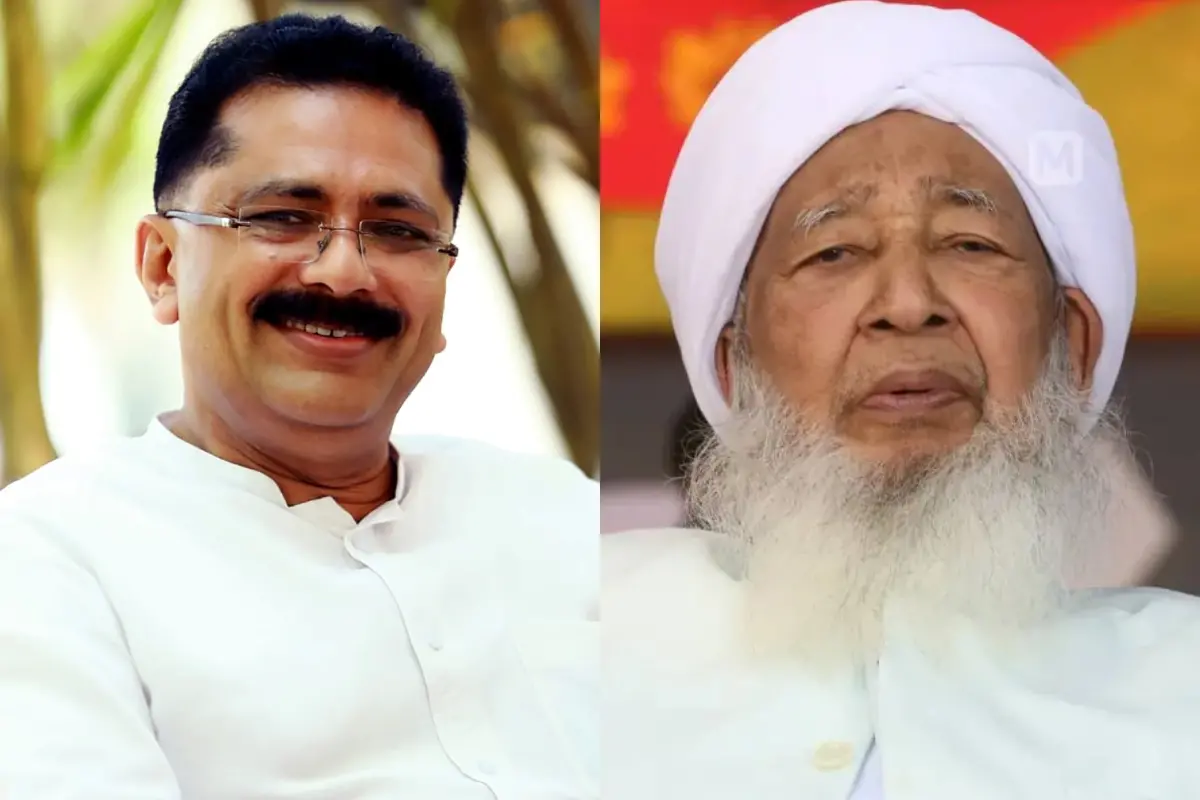
Kochi: CPM leader K.T. Jaleel has extended support to Samastha leader Kanthapuram A.P. Aboobacker Musliyar, whose remarks questioning the presence of women at public events have sparked a controversy.
In a Facebook post, Jaleel said Kanthapuram is a religious scholar who speaks on matters related to religious principles and that no one can deny religious scholars the freedom to express their views.
“In a democratic society, everyone has the right to openly express their views. However, everyone must also respect the freedom of others to accept or reject those views,” Jaleel said.
He noted that Kanthapuram had not said that everyone must accept his views from the next day or that those who disagreed would be boycotted by the community.
“As long as he has not said that, there is no point in attacking him,” Jaleel said.
Jaleel says religious scholars have right to express views
Jaleel said Kanthapuram was speaking as a religious scholar and that some of his views could be acceptable or unacceptable to the wider public.
He said Hindu spiritual leaders, Christian priests and Muslim scholars express opinions with the aim of promoting the moral development of society. Modern society, he added, has the right to agree or disagree with such views.
At the same time, Jaleel said religious scholars must have the freedom to express their opinions.
He added that progressive groups would oppose any statement that violates the rights guaranteed by the Indian Constitution, saying that the freedom to express an opinion and the freedom to disagree with it must coexist in a democratic society.
Jaleel also referred to the earlier controversy over women's entry into the Sabarimala temple, saying the differing views expressed during that debate should also be taken into consideration.
Jaleel links controversy to Muslim League positions
Jaleel said Kanthapuram's remarks came amid discussions among Muslims, particularly Sunnis, over what he described as differences between the conduct of women leaders of the Muslim League, the positions of MSF's women's wing Haritha and the silence of senior Muslim League leaders on the issue.
He claimed Kanthapuram had made the statement to caution Muslims in response to these developments.
Jaleel also said this was why senior Muslim League leaders, including state president Panakkad Sadiq Ali Shihab Thangal, P.K. Kunhalikutty, MP Abdussamad Samadani and MP Abdul Wahab, had stayed away from this controversy.
Also read | No place for medieval clerical diktats against women: BJP Kerala chief Rajeev Chandrasekhar
‘Religious scholars cannot ignore contradictions’
Jaleel argued that religious scholars cannot remain silent when organisations claim to represent a community while, according to him, compromising on the principles followed by that community for political gain.
He cited Samastha president Jifri Muthukkoya Thangal's response to statements by second-rung Muslim League leaders supporting Kanthapuram.
Jaleel quoted Jifri as saying, “It is not enough to extend support; it must also be implemented.”
According to Jaleel, the statement meant that if Muslim League leaders support Islam's position on women, they should also implement those principles within organisations such as the Women's League and Haritha.
Also read | ‘Extremely misogynistic and outdated’: CPM leader KK Shailaja slams Samastha’s stance on women
Jaleel invokes Voltaire on freedom of expression
Reiterating his point about democratic freedoms, Jaleel said people must have the right to express their views while respecting others' right to disagree.
He said Kanthapuram had neither demanded that everyone accept his views nor called for a community boycott of those who disagreed with him.
Jaleel concluded by invoking the French philosopher Voltaire, saying democratic thinkers should follow the principle of defending another person's freedom to express an opinion even when they disagree with it.