KSRTC flouts order on deploying permanent drivers for long-distance routes
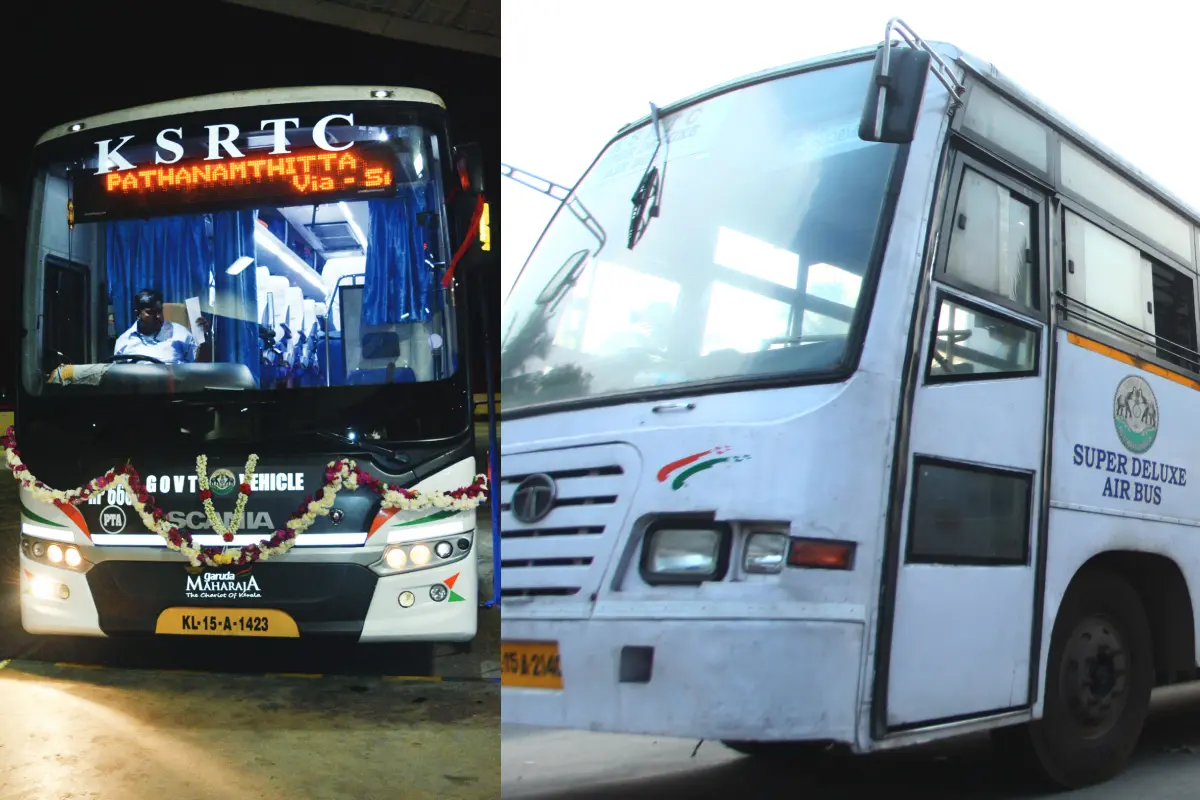
Kozhikode: KSRTC authorities have quietly ignored a directive issued just a month and a half ago, which explicitly stated that experienced, permanent drivers must be assigned to operate long-distance bus services. The instruction, issued on June 23 by the KSRTC Executive Director (Operations) to all unit authorities across the state, was flouted within weeks, a lapse highlighted by a bus crash in Karnataka on Saturday involving a temporary driver.
The June order specified that permanent employees who are experienced and maintain high driving standards must be deployed to all super-class services, starting from Super Fast buses upwards. However, the driver of the KSRTC bus that met with an accident in Karnataka on Saturday was a temporary employee. Although he had worked as a private bus driver for nearly 11 years, he had joined KSRTC just five months ago.
Under current operational conditions, when an adequate number of permanent staff cannot be assigned to duty, temporary staff are routinely deployed for long-distance routes. Even in such cases, rules stipulate that employee seniority and experience must serve as strict criteria. It has now become clear that driver Mithilesh was assigned to the long-distance Bengaluru bus service in complete disregard of these established guidelines.
Long-distance services departing from the Kozhikode depot at night, such as the Kozhikode–Mysuru and Kozhikode–Bengaluru routes, currently do not follow the Driver-cum-Conductor system. A section of employees has alleged that this system is not adhered to on these routes due to pressure from certain trade unions, and that permanent drivers show little interest in operating such shifts.
No new permanent appointments have taken place at KSRTC over the past decade. Consequently, the public transport corporation currently relies on more than 5,000 temporary employees, making it virtually impossible to run daily operations without them.