Women police cells in Kerala resolve nearly 97% of family complaints| Here’s how
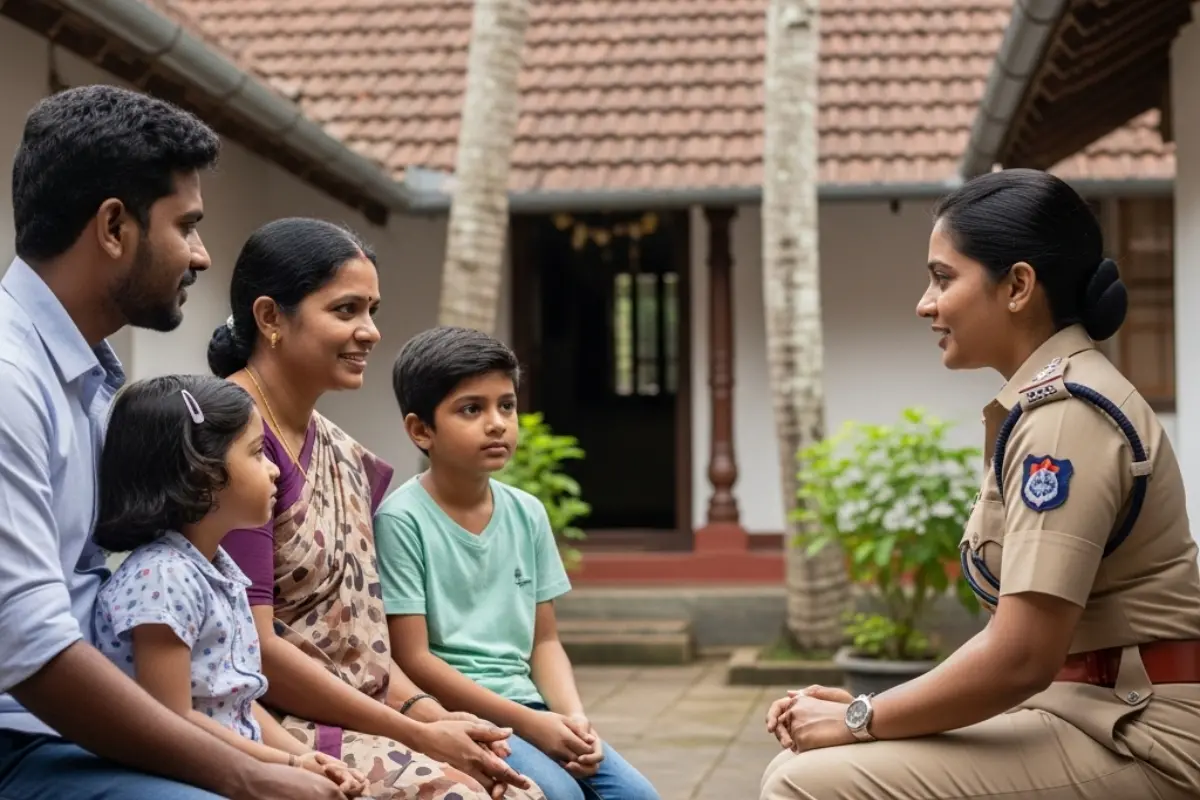
Kerala women’s police cells have emerged as a vital support system for families facing domestic disputes, offering timely intervention, counselling, and rehabilitation. Over the past five years, the state’s women’s cells received a total of 58,765 complaints, out of which 56,852 have been successfully resolved, leaving only 1,913 cases still under process.
Common complaints handled
The complaints cover a wide range of domestic issues including marital disputes, conflicts between mother-in-law and daughter-in-law, extramarital affairs, neglect of children, wayward behaviour among children, alcoholism, harassment, and verbal or physical abuse within families. A large number of these cases are resolved through careful mediation and scientific intervention.
How disputes are resolved
The cells follow a structured process to address complaints:
- Detailed discussions with the complainant to understand the problem.
- Hearing the accused to get their perspective.
- Mediated meetings between both parties to encourage amicable resolution.
If the issue cannot be resolved through mediation, it is referred to police counselling centres, especially for couples. Individuals dealing with addictions—such as substance abuse or excessive phone usage—are sent to rehabilitation centres for treatment.
D-Dad centres for children
The women’s cells also focus on children affected by digital addiction. D-Dad centres, operational in Thiruvananthapuram, Kollam, Ernakulam, Thrissur, Kozhikode, and Kannur, provide counselling and rehabilitation for children and adolescents. Over the past three years, 2,309 individuals have received assistance through these centres.
For other child-related issues, Chiri counselling centres conduct psychological assessments and therapy to help children return to normal behaviour and adapt positively to family life.
Women’s police cells combine empathy, legal support, and counselling to restore harmony in families. Their efforts go beyond registering complaints—they act as mediators, mentors, and facilitators of rehabilitation.