Kerala Women’s Commission calls for mega-serial ban, advocates censorship and limited broadcasts
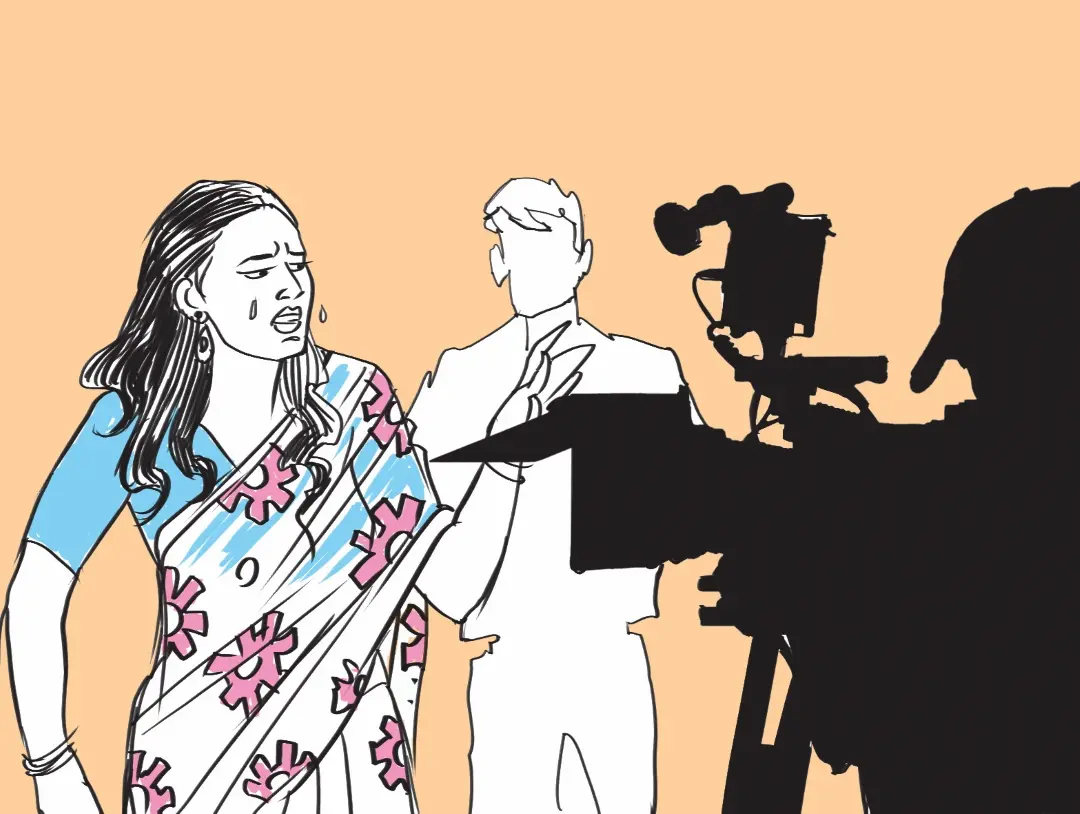
Thiruvananthapuram: The Kerala Women's Commission has recommended a series of changes to regulate Malayalam television serials, urging authorities to limit the number of serials broadcast daily and introduce strict censorship before airing.
Ban mega-serials, limit episodes
In the report, the Women's Commission calls for an end to mega-serials—long-running television shows that air daily. The commission suggests reducing the number of episodes in a series to 20 to 30 and limiting the broadcast to only two serials per channel per day. The recommendation also includes a ban on re-telecasting serials.
Censorship and regulation of content
The report stresses the need for proper censorship of serials before they are aired. It proposes that the existing Film Censor Board, or a new special board, should be responsible for inspecting these shows. The aim is to ensure that the content is appropriate, particularly for younger viewers.
Study findings and public concerns
The Women's Commission conducted a study involving 400 young people between the ages of 13 and 19 from Malappuram, Kottayam, and Thiruvananthapuram districts. The results revealed widespread concerns about the impact of serials on viewers.
- 43% of participants felt that the serials conveyed the wrong messages.
- 57% wanted a change in the themes and content of these shows.
The study also foregrounded how children tend to imitate immoral or negative characters, especially female protagonists who are often shown in negative roles.
Negative impact on families and children
The Commission's report notes that the content of many serials can negatively affect families and children. The themes often lack realism and can lead to harmful imitations, especially among young viewers.
Other key recommendations
In addition to regulating serials, the Women's Commission made several other suggestions:
- Encourage the production and airing of short films, web series, and educational programs.
- Take measures to reduce children’s excessive use of social media.
- Ban abusive language in TV shows.
- Strengthen laws against the derogatory portrayal of women in media.
- Enforce stricter regulations to prevent the spread of obscene content and establish committees to oversee these issues.
- Create a grievance cell to address complaints related to harmful media content.
The commission conducted the study from 2017 to 2022 to examine issues across various sectors.