6 lakh ration cards in Kerala face freeze: Check e-KYC and mobile number rules
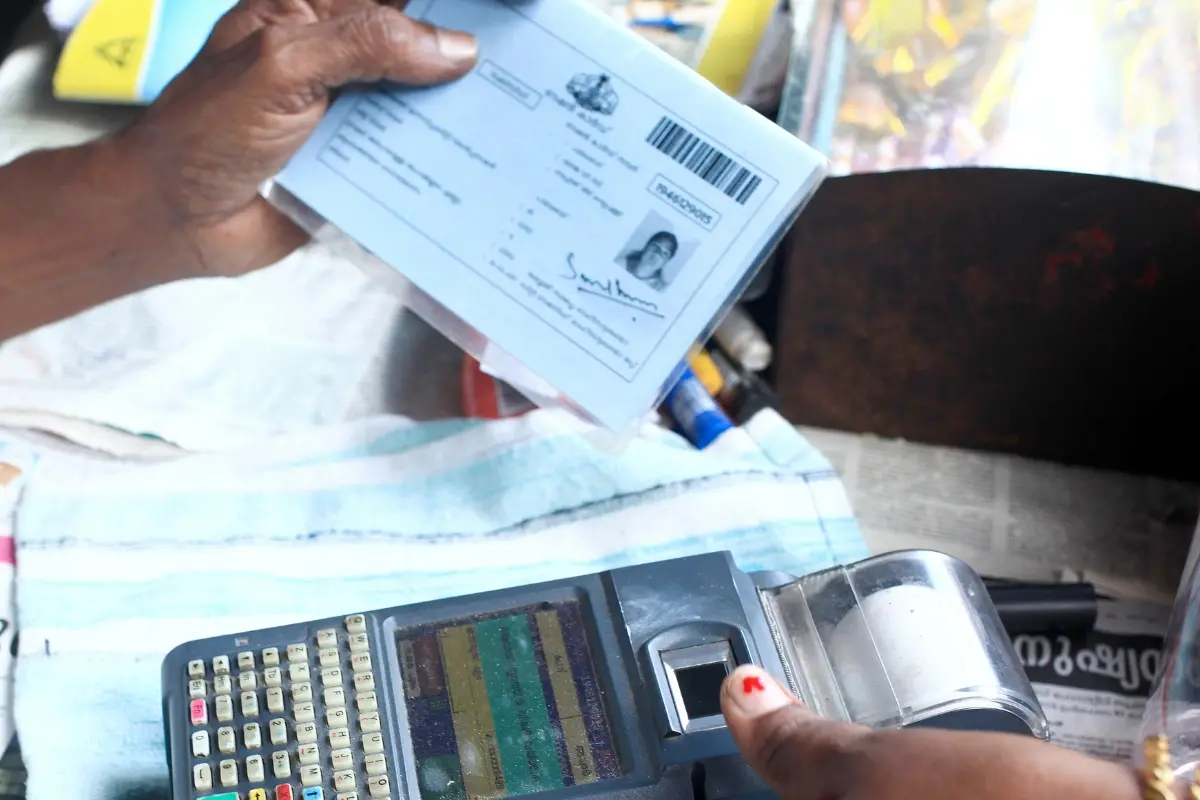
More than six lakh ration cards in Kerala that have not been used to purchase rations for over six months are set to be frozen as part of measures to make the public distribution system more transparent and verify beneficiary details.
A total of 6,06,773 ration cards in Kerala have been identified for freezing because they have not been used for more than six months.
The action will take place in phases.
In the first phase, 44,279 priority ration cards will be frozen. This includes:
- 5,370 yellow cards
- 38,909 pink cards
The second phase will cover 5,62,494 non-priority cards, comprising:
- 4,40,811 white cards
- 1,21,683 blue cards
e-KYC can restore ration access
People whose cards are frozen will have an opportunity to reactivate them.
If all members listed on a frozen ration card complete e-KYC within three months, the household can resume purchasing ration supplies.
Beneficiaries should therefore check the status of their ration cards and complete the required verification within the specified period if their cards are affected.
Mobile number update deadline
The government has also directed that mobile phone numbers of members be linked to ration cards.
Beneficiaries can update their numbers through:
- Akshaya centres
- Citizen portal
- Janaseva centres
The deadline for adding mobile numbers is September 30. Action may be taken against cards where the required mobile-number update is not completed.
Why are ration cards being verified?
The measures are part of efforts to improve transparency in the public distribution system and ensure that ration-card records accurately reflect eligible beneficiaries.
The verification process includes checking the details of all members listed on a card and identifying cases where an individual may be listed on more than one ration card.
Households should check whether their ration card has been used within the past six months. If it falls under the cards identified for freezing, completing e-KYC for every member within the three-month window is important for restoring ration purchases.
Beneficiaries should also ensure that the mobile numbers of all members are updated by September 30 through the designated channels.
The proposed action affects both priority and non-priority ration cards, although the priority-card freeze is scheduled for the first phase. The majority of the identified cards are in the non-priority category.
The six-month usage criterion does not by itself mean that a household has permanently lost its ration entitlement. According to the reported rules, frozen cards can become eligible for ration purchases again if all members complete e-KYC within three months.
The verification drive also seeks to improve the accuracy of beneficiary databases by checking duplicate memberships and linking mobile numbers to ration cards.