Sex scandals that shook and shattered Kerala politics
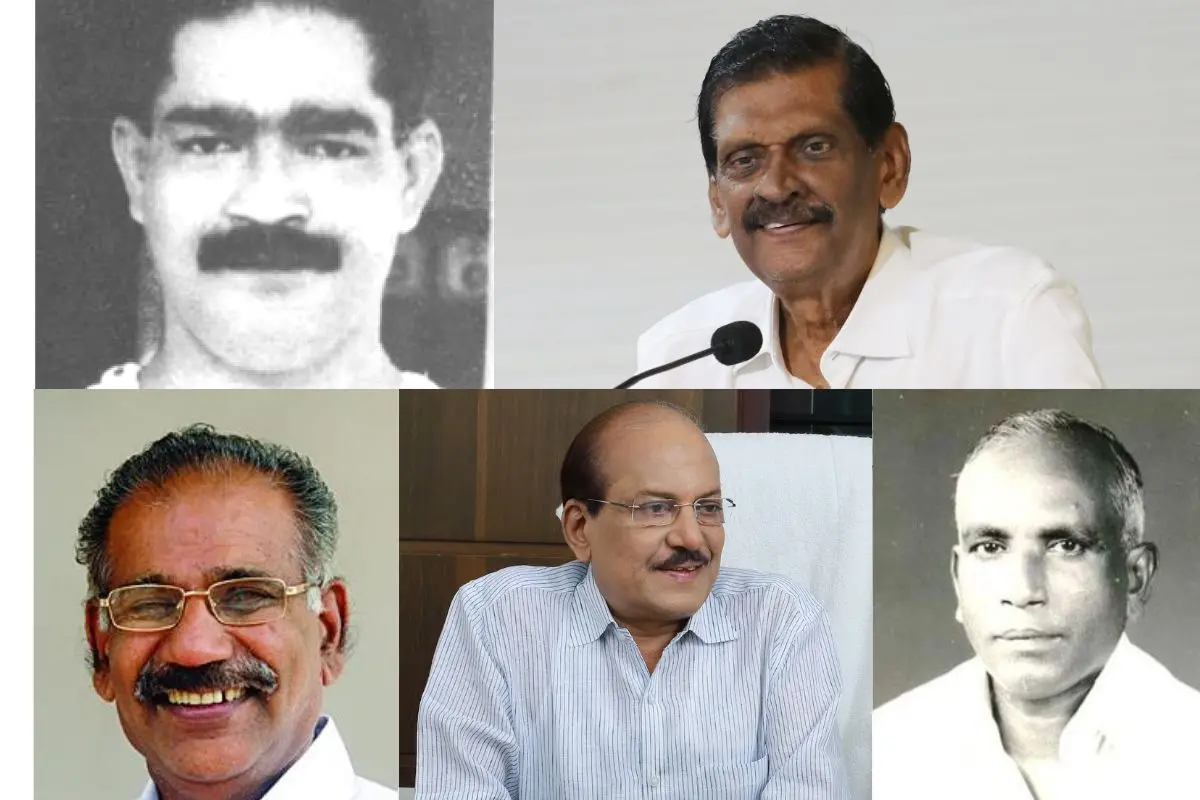
Kochi: The resignation of Rahul Mamkootathil from his post as Kerala Youth Congress president has reignited a familiar debate in the state --one that revisits a long list of public representatives brought down by allegations of personal misconduct.
While the charges against Rahul remain under discussion and without formal proof, the pattern is one Kerala has seen often: personal controversies swiftly escalating into political crises.
Rahul’s decision to step aside came after actress Rini Ann George posted claims about receiving inappropriate messages and being invited to a luxury hotel by a Youth Congress leader. Although she did not name anyone, the political and online discourse quickly centred on Mamkootathil. A second allegation from a writer living abroad added to the pressure. Internal voices within the party began suggesting that his continuation in the role was no longer tenable.
But this is not the first time Kerala's political class has found itself in the middle of personal controversies. In fact, the issue dates back to the very first years of governance in the state.
In 1957, P K Chathan Master, Minister for Local Self-Government in the first elected Communist government came under scrutiny for hosting a woman at his official residence and being seen travelling with her. Although he claimed the individual was a family acquaintance visiting the Secretariat, the explanation failed to quiet critics. The backlash intensified, fuelled by public campaigns and slogans, ultimately leading to his exit from the cabinet.
Less than a decade later, Congress leader and former Home Minister P T Chacko became the centre of another storm. In December 1963, his official vehicle was involved in an accident that injured several people. Chacko later admitted he had been driving the car himself and was not on official duty. More significantly, questions were raised about a woman reportedly seen in the car. Chacko identified her as Padmam S Menon, a senior party colleague. While both stood by their version of events, doubts lingered. Pressure mounted, not just from political rivals but from within his own party. Chacko stepped down in early 1964 and died a few months later. Analysts still view the episode as a flashpoint that deepened divisions within the Congress and changed its internal power dynamics for years to come.
In the 1990s, public outrage once again surged, this time around the well-known ice cream parlour case, in which allegations were made about abuse of young women at a Kozhikode-based establishment. IUML leader and former Industries Minister P K Kunhalikutty faced serious accusations from the survivors. Veteran Left leader V S Achuthanandan publicly revealed investigation details suggesting Kunhalikutty's name appeared in the case files. Though later cleared by the state government, the matter remained a major talking point for years and affected political narratives.
The 2000s brought more such moments. In 2006, P J Joseph resigned from the Kerala cabinet following claims that he behaved inappropriately with a woman co-passenger on a flight. A court in Tamil Nadu later acquitted him.
In the E.K. Nayanar-led government (1996–2001), Neelalohithadasan Nadar, who served as the Minister for Forests and Transport, resigned on February 13, 2000, following accusations of sexual misconduct by then Transport Secretary, Nalini Netto.
In 2013, former Transport Minister Jose Thettayil faced accusations from a 30-year-old woman, although the High Court later quashed the case.
A particularly high-profile incident emerged in 2017, when A K Saseendran, then serving as Transport Minister, was forced to leave office after a voice recording of a personal conversation was leaked to the media. He was reinstated the following year after a special court cleared him of wrongdoing.
Even senior Congress figure P J Kurien was pulled into controversy after the survivor in the Suryanelli trafficking case sought to have his name included among the accused. A sessions court, however, dismissed the plea, and Kurien denied any connection.
These instances span parties, decades, and political ideologies. Yet they share common elements: widespread speculation, demands for accountability, internal party conflicts, and in many cases, lasting political fallout. Some leaders returned to public life after being cleared by the courts. Others were unable to recover.