Kerala plans to limit School Kalolsavam to district-level competitions
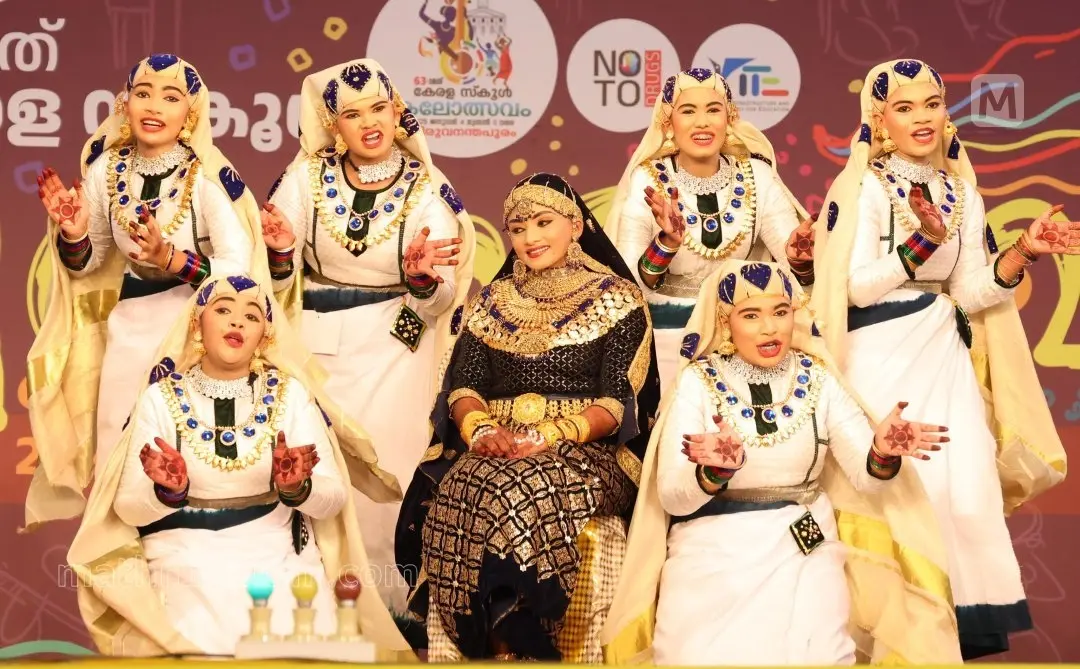
Thiruvananthapuram: The government has proposed two major recommendations to reform the school Kalolsavam, the annual youth festival competition. According to the newly approved curriculum document, it has been suggested that the Kalotsavam should be limited to the district level, with larger competitions only held at the national level.
The curriculum document recommends that Kalolsavam, which celebrates students’ artistic talents, should be conducted only at the district level, moving away from state-wide competitions. This change aims to reduce the emphasis on competitions and encourage more focus on the development of artistic skills. The curriculum now includes new books to teach children art from the fifth standard onwards, with an emphasis on artistic self-expression in higher secondary school.
Khader Committee's recommendations
In addition to the curriculum document, the Khader Committee has proposed splitting the Kalolsavam into three categories: visual arts, audio arts, and a combination of both. Visual and audio arts should be organised together, while the combined category would be held separately. The committee suggests that state-level competitions be reserved for cultural exchanges, attracting tourists and held on specific days to celebrate Kerala's artistic heritage.
The curriculum document stresses that the true goal of the Kalolsavam is not about competition but about fostering art education among students. The committee also criticised the current format for turning the Kalolsavam into a money-making event, with excessive financial burdens on participants. It further recommended that the influence of Grace Marks be reduced in the competitions.
While the Kerala government has already approved the new curriculum, changes to the Kalolsavam have to be gradually implemented. The cabinet has agreed in principle to the Khader Committee's report, but the recommendations will be accepted and introduced in phases.