Kerala MVD faces crisis: Severe shortage of office vehicles affecting routine inspections
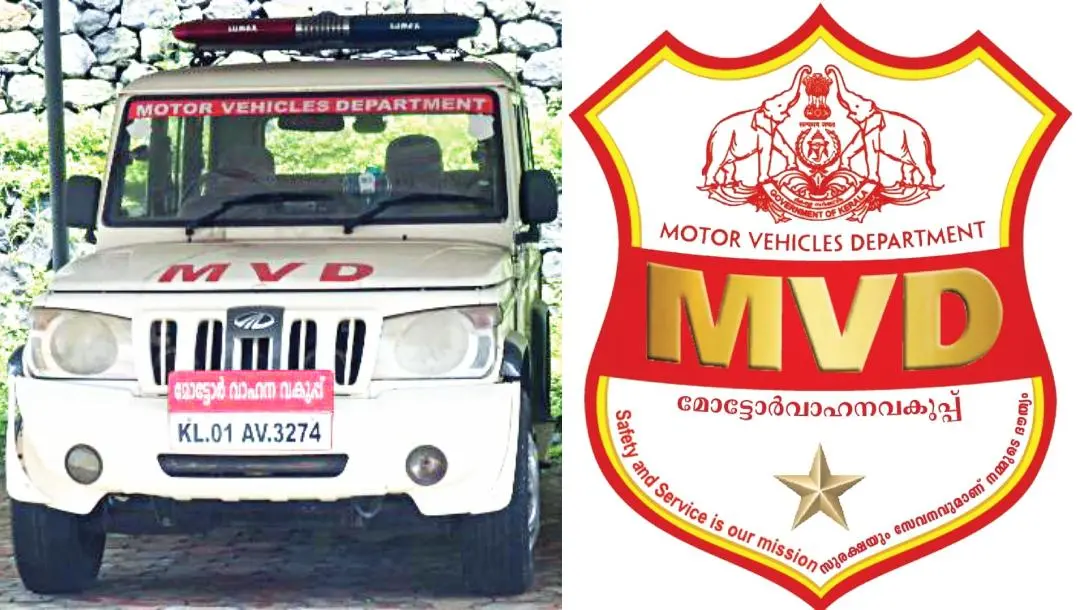
The Kerala Motor Vehicles Department (MVD) is grappling with a severe shortage of office vehicles, limiting its ability to carry out routine road inspections and enforce traffic regulations. A significant portion of the department’s fleet consists of vehicles that are over 15 years old, leaving officials unable to conduct inspections on a regular basis. According to officials, 65 out of the 84 motor vehicle offices across the state are facing this issue.
One of the key problems is the lack of funds for vehicle maintenance and diesel expenses. MVD contributes a massive Rs 6,400 crore annually to the state government’s revenue through various channels, including those received as fines through AI-based cameras. However, the funds allocated for vehicle upkeep and fuel often arrive late, hampering daily operations.
Electric vehicles
In addition to the ageing fuel-powered fleet, a number of electric vehicles (EVs) provided to the department have also proven ineffective. Of the 80 electric vehicles assigned to the RTO, several have become nonoperational due to various technical issues. The vehicles whose registration period has expired for 15 years have been gathering dust in sheds for months. Despite repeated requests for replacements, the department is still waiting for new vehicles.
Joint RTO share vehicles
The situation is especially dire in joint RTO, where only a single vehicle is available. In some offices with two or three vehicles, the officers lend vehicles to neighbouring offices, allowing inspections to be conducted only once or twice a week. In emergency cases, vehicles are sometimes rented, or officers hitch rides with the police or other agencies to carry out inspections.
Even for the few vehicles that remain operational, there is a persistent fuel shortage. A typical vehicle in the department requires around 25-30 litres of diesel per month, but payments to fuel pumps are often delayed. In addition to the office vehicles, each district has eight additional squad vehicles, bringing the total fuel requirement to approximately Rs 5.40 lakh per month.